Interest badges (originally known as Proficiency Badges) have existed from the earliest days of Guiding. They were designed both to encourage the girls to take up new practical pastimes which would make good use of their free time (and perhaps even encourage a hobby which might turn into a career) or encourage them to develop existing pastimes or skills to a more advanced level by setting progress targets to achieve – and to encourage the girls to learn practical skills for use in good turns, which could be of use whatever their future held.
It’s also worth bearing in mind that though these are designs from the UK, up to WW2 at least, the same badges were also supplied directly to various Commonwealth countries for use there. So early badges in those countries can be exactly the same designs as in the UK. It was only later (and influenced by the difficulties in transporting goods during WW2 especially) that the various countries arranged their own manufacturing, and their designs then began to differ from those used in the UK. Nevertheless, some of the UK designs from the mid-20th century are still used unchanged abroad – something collectors may wish to bear in mind.
If someone would like to see a UK syllabus for a particular badge at a particular period, I would refer to my badge site, www.lesliesguidebadgehistory.com
Rainbows Interest Badges
Prior to July 2018, Rainbows were not able to earn interest badges. There were occasional National or Regional challenge badges which they could participate in and earn, such as the ‘Adventure 100’ challenge during Guiding’s centenary year, but unlike interest badges, these were tackled as a whole unit during meetings or outings, not individually at home as interest badges usually are – and generally, all the Rainbows in the unit gained the badge regardless of whether they had attended every badgework session or not – as it was assumed that girls of Rainbow age wouldn’t cope with not getting badges when their friends did. Hence, unofficial activity packs with badges, often produced as a fundraiser for Guiding groups going on international trips, were popular with Rainbow units looking for activities to fill up their programmes through the 2010s.
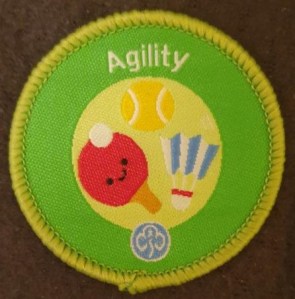
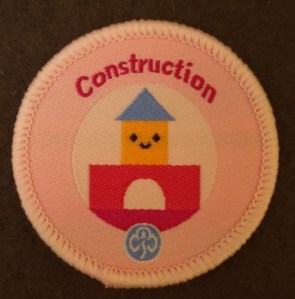
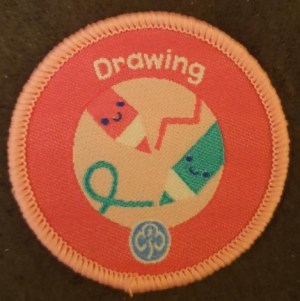
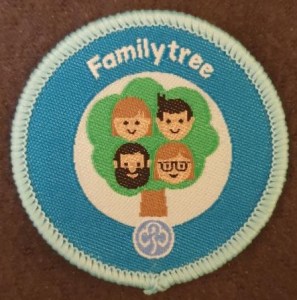
From July 2018 the new Rainbow programme was launched, introducing a selection of Interest Badges for the Rainbows to work on at home, to fit the 6 programme Themes. The Rainbow Interest Badges were: Family Tree, Animal Lover, Storyteller, Drawing, Healthy Mind, Fruit and Veg, Nature, Agility, Recycling, Helper, Construction, and Book Lover.




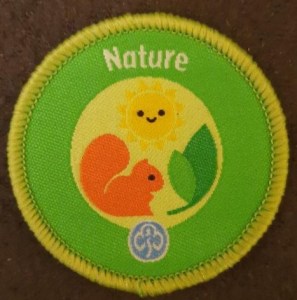
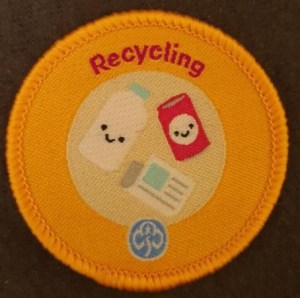

In the summer of 2025 new Rainbow interest badges were introduced, in a new design and featuring the new-style Guiding logo. The badges introduced in 2025 were Bee Rescuer, Courage, Get Grooving, Great Outdoors, Guiding Sparkle, Hobbies, Laughter, My Thoughts, Present Maker, Sleepovers, Tasty Treats, and Toys. Each has a pale blue background in the section colour , with the binding stitched in the related theme colour.
Brownie Interest Badges
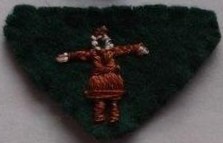
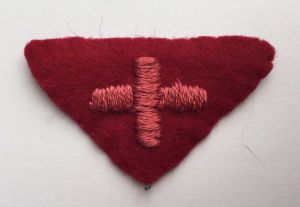
Brownie Interest Badges (originally called Proficiency Badges) were first issued in 1916, soon after the start of the Brownie section. The original 12 badges were embroidered in matching colour thread on downward-pointing felt triangles of 4 different colours – red, blue, green or yellow – to indicate different subject areas. These intentionally matched the badges for Wolf Cubs at that time (other than the figure for Brownie athlete badge being shown in a skirt rather than shorts) – indeed, the 1918 handbook indicated that “they are made identical for convenience of many who wish to train both boys and girls”. As collectors from both organisations seek them, they are now extremely rare, and hence, valuable. They were:
Intelligence (blue) – Collector, Observer, Signaller
Handcraft (yellow) – Artist, Weaver, Woodworker
Service to Others (red) – First Aid, Guide, Orderly
Physical Health (green) – Athlete, Swimmer, Team Player
By 1933 some further badges had been issued – Booklover -1932 – (blue), Jester (blue), Musician (blue), Thrift (blue), Writer – (blue), Gardener (yellow), Needlework (yellow), Toymaker – (yellow).




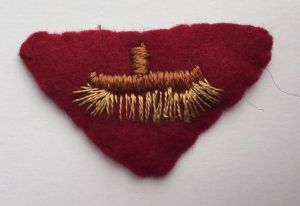


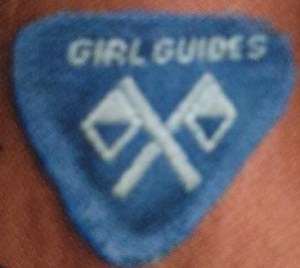
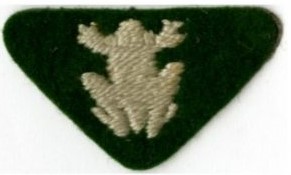
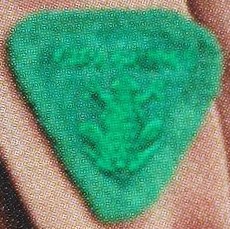

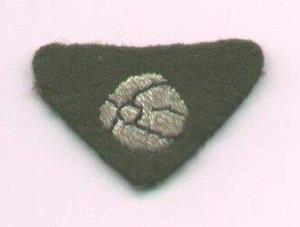
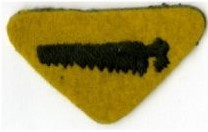
It was around 1940 that the more familiar yellow embroidered designs were introduced, still in triangle shape, and all on brown felt. As felt did not wash well (even if the edges were blanket-stitched to help reinforce) it was necessary for the badges to be removed from the uniform before each laundering, and replaced again afterwards (hence many old photographs which show badges which appear to be rather loosely stitched on in the middle, and not stitched on at all around the edges).
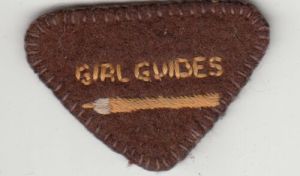

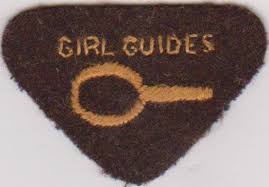


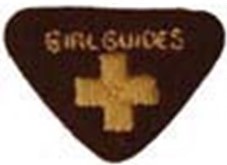


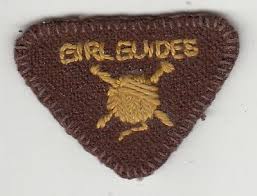

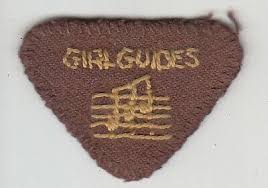
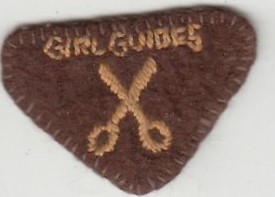

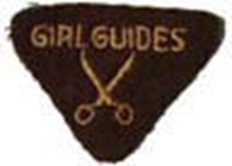
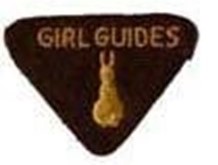
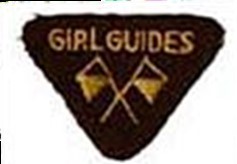
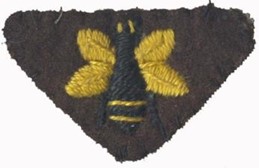

It wasn’t until the late 1940s and 1950s that sturdier woven badges were widespread. These also tended to be clearly machine-stitched, bound round the edges, and had differing cloth or paper backings to reinforce them. Shiny thread was introduced in some batches too, whilst others had matte thread.
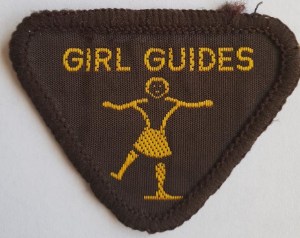
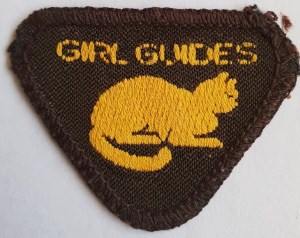
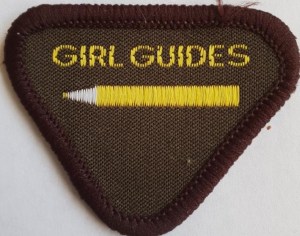
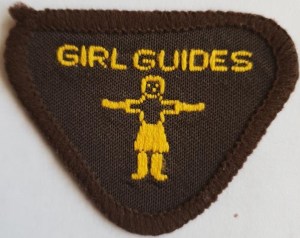

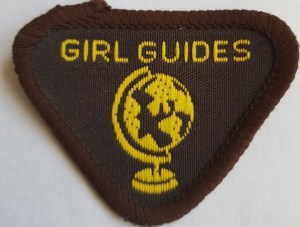
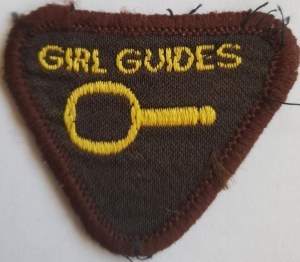
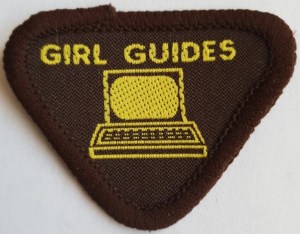

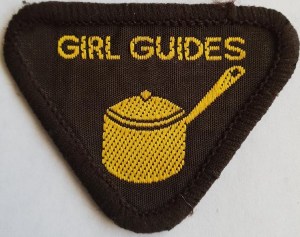
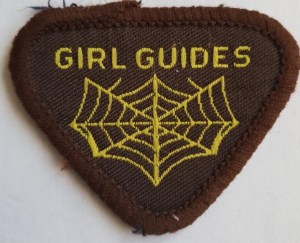

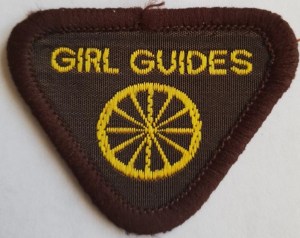

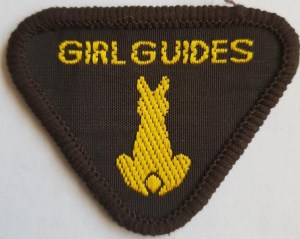


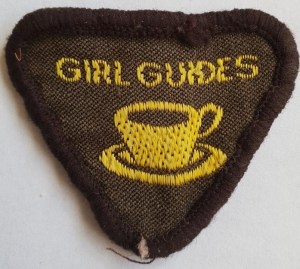

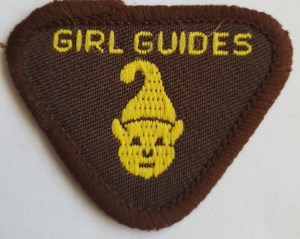
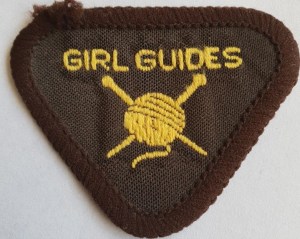


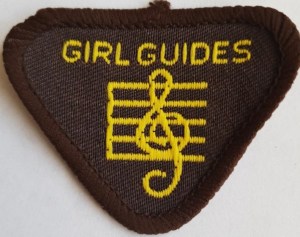
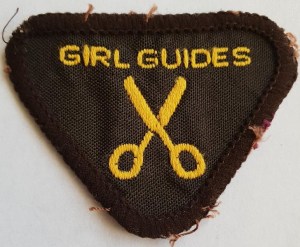

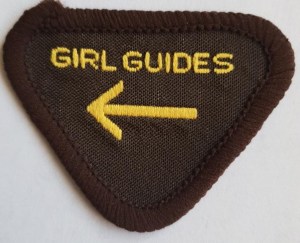
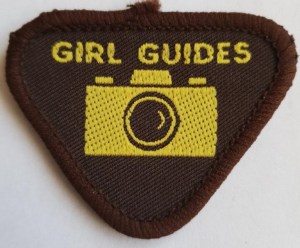
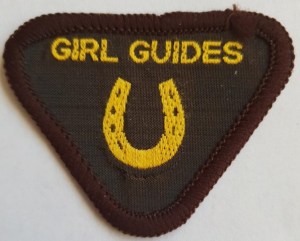


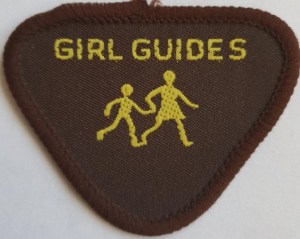

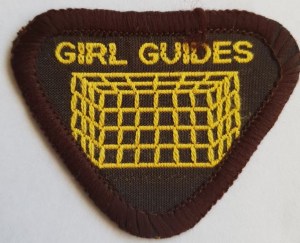

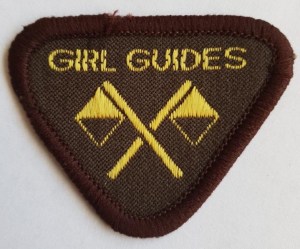

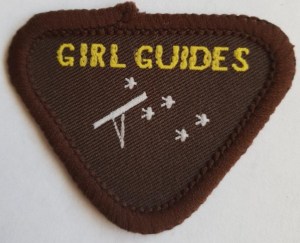
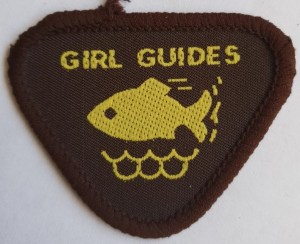
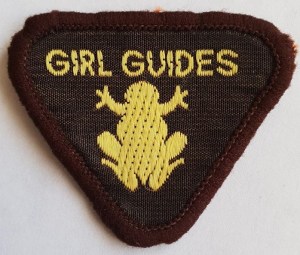
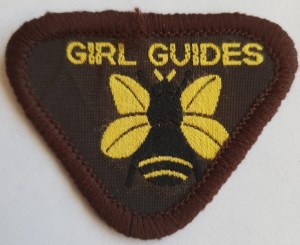

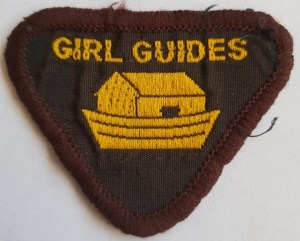

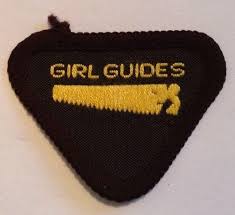
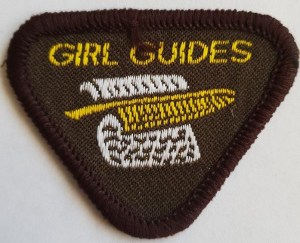
During the 1990s, the wording on the badges was altered from ‘Girl Guides’ to ‘Brownie Guides’ – as the organisation’s name was altered from the “Girl Guide Association” to “The Guide Association”. There was one exception to the standard shapes – the ‘Quest’ badge, based on religion, was introduced in the 1980s, and, unusually, was an oval shape rather than the standard triangle, and didn’t have the ‘Girl Guides’ text on it. (It isn’t clear why this should be so – it was similar in style to the other badges in terms of syllabus content, testing etc.) Certain religions or denominations also had their own religious challenge badges which could be earned and worn on Brownie uniform too, such as Baptist, Church Army and Salvation Army.
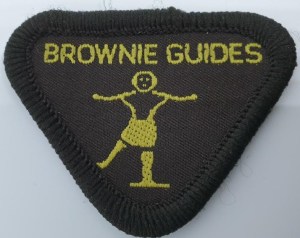


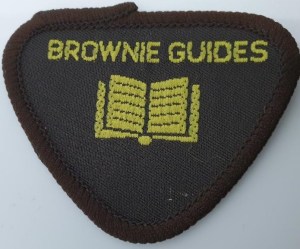
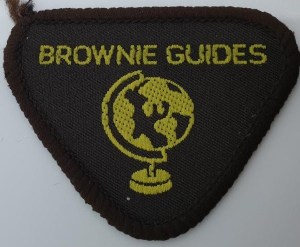


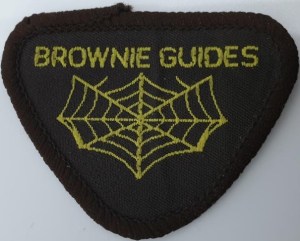


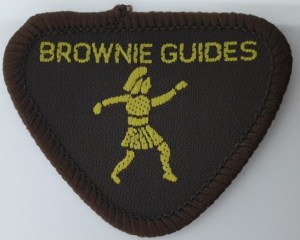
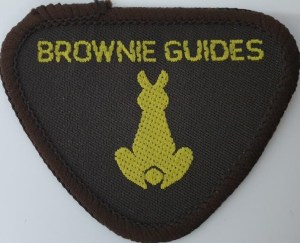

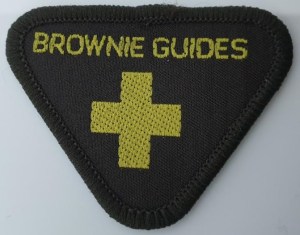

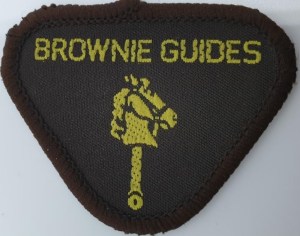

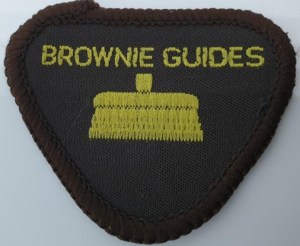

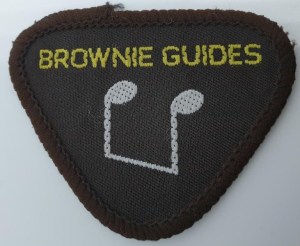
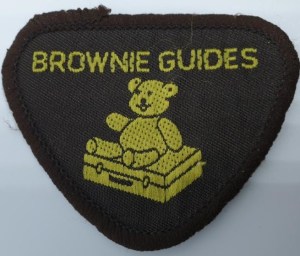



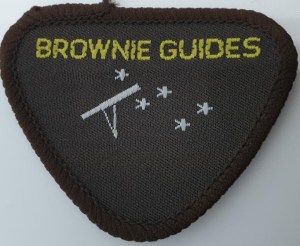
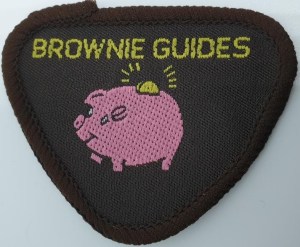
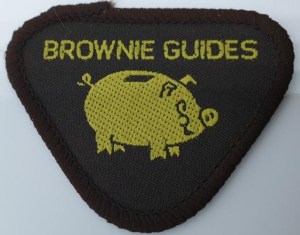


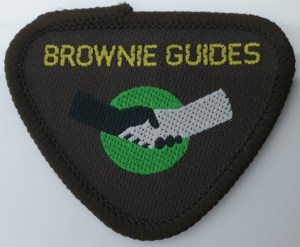

There are several reasons why interest badges from before the 1950s are comparatively rare. Firstly, until 1950, it was an official rule in “Policy, Organisation and Rules” that Brownies must hand back all their interest badges when they left the pack – the idea was that these could then be re-used, but of course it also helped to reduce ‘leakage’ of badges onto the open market – the only source for interest badges was controlled as they could not be bought over-the-counter, only from local Badge Secretaries following submission of a completed badge certificate. Some packs did allow Brownies to retain their badges if they were willing to buy them out (even though the rulebook did not permit this), and some allowed girls to keep their badges without any extra charge – but it isn’t clear how widespread this was – and some Brownies wouldn’t have been able to afford to buy out their badges anyway, even if the option were offered them.
Also, for many years, Brownies couldn’t start to work for any interest badges at all until they had completed Golden Hand – and given many had little or no gap between completing Golden Hand and ‘Flying Up’ to Guides, so even the keenest Brownies tended to get no more than three or four interest badges prepared and tested in the limited time available. Later a rule was introduced which allowed them to gain up to two interest badges after gaining Golden bar, excluding Thrift which could thus be a third badge. This helped, but it was only from 1968 that Brownies were allowed to work for interest badges as soon as they had made their Promise, and were thus able to earn as many as they wished over their time in the unit. And finally – most badges from before WW2 were made of unbacked felt, thus were never very sturdy and were a very easy target for moths!
At this stage it’s also worth mentioning the possibility of byelaws – for instance, in the City of Edinburgh they had set months for the testing of each interest badge – February was House Orderly and Artist, March was Jester and Guide, April was Needlework and Team Player, May was First Aider and Observer, June was Athlete, Gardener, Signaller and Swimmer, October was Weaver and House Orderly, November was First Aider and Needlework, December was Signaller and Guide, January was Woodworker and Collector. Names of candidates for testing had to be submitted by Brown Owl by the 1st of the preceding month, and they also stated that no Brownie could enter for more than five badges per year. So they could only apply for a test after gaining First Class, and then only for one of the badges due to be tested that month (and if they had to cancel their badge test they had to send in a written excuse at least a week before the test, or they would be “blacklisted” and could not enter for any test for four months)!
You may also see some rare ‘homemade’ interest badges – these are usually from the early 1940s, when rationing and shortage of materials, factories focussing on war work, and the bombing of warehouses, meant that the manufactured badges were at times hard to come by. (There may also have been homemade badges during World War I for similar reasons, though these would be especially rare).
Below is a list of Brownie Interest Badges, with a description of the design to assist identification, and an indication of when they were introduced:
Agility (girl with right leg raised) (c1958-2000s)
Animal Lover (seated cat) (c1958-1994 then staged)
Artist (pencil) (c1916 -2000s)
Athlete (girl with arms outstretched) (c1916-2000s)
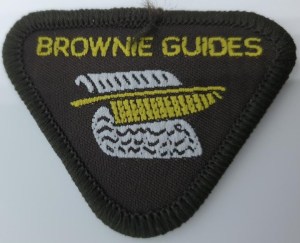
Booklover (open book) (c1933-2000s)
Collector (magnifying glass) (c1916-2000s)
Conservation (panda) (1982-2000s)
Computer (computer with keyboard) (1991-2000s)
Communications (telephone handset) (c1990-2000s)
Cook (saucepan) (1958-1994 then staged)
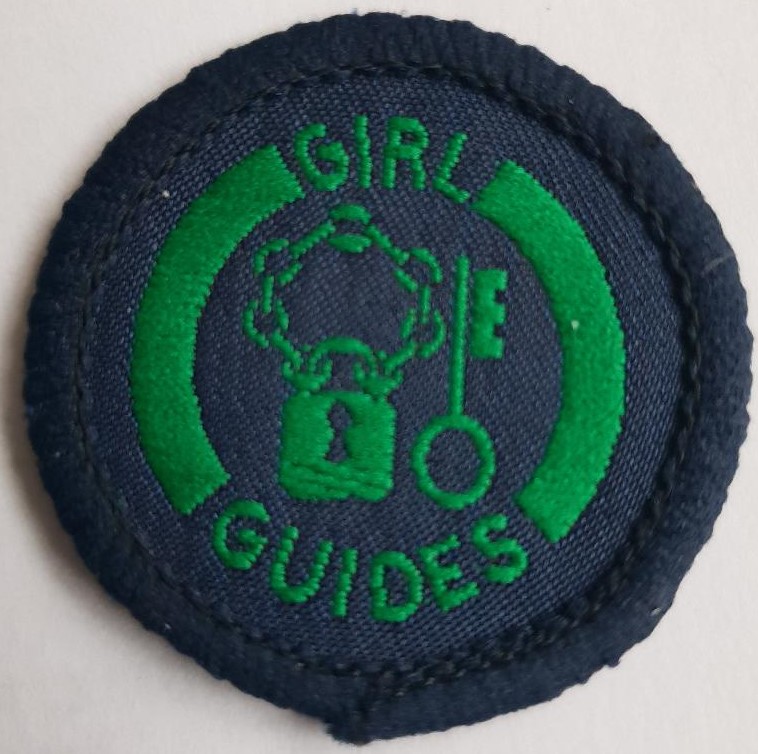
Crime Prevention (padlock and key) (c1982-2000s)
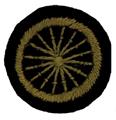
Cyclist (bicycle wheel) (c1940-1994 then staged)
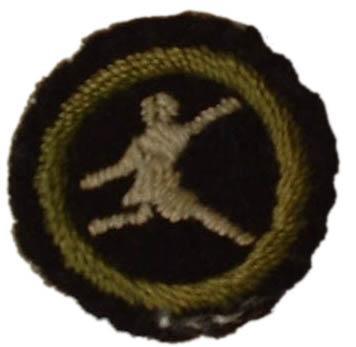
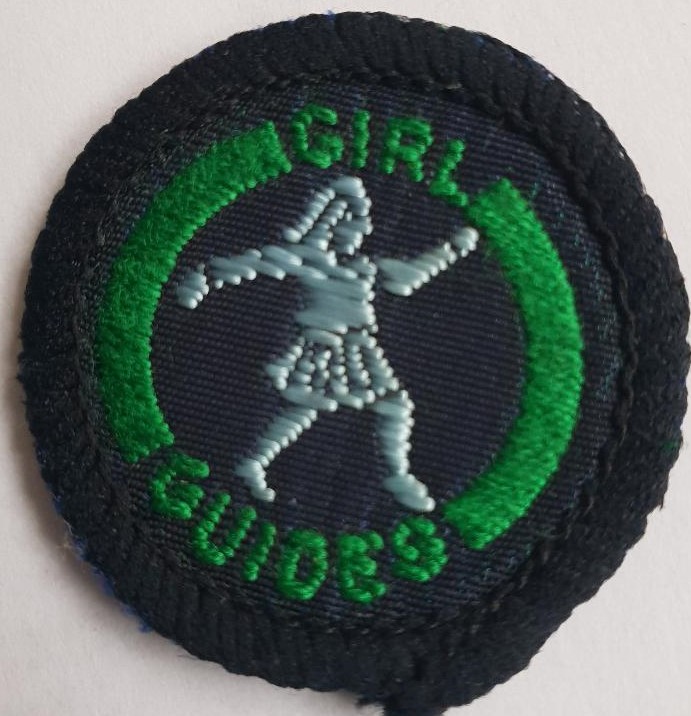
Dancer (girl stepping forward, arms raised) (c1958-2000s)
Fire Safety (fire extinguisher) (1995-2000s)
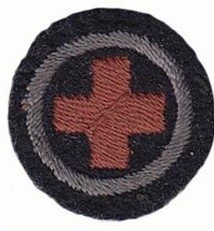
First Aid (cross) (c1916-2000s)
Brownie Friendship (globe on stand) (c1980-1995)
Gardener (wheelbarrow) (c1920-2000s)
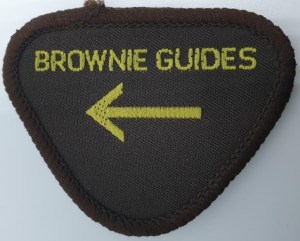
Guide/Pathfinder (arrow pointing left) (c1916-2000s)
Hobbies (hobby horse) (c1990-2000s)
Hostess (cup and saucer) (c1958-2000s
House Orderly (broom head) (c1916-2000s)
Jester (jester’s head) (c1920-2000s)
Knitter (ball of wool with crossed needles) (c1940-1990 then staged)
Musician/Minstrel (triplet notes on stave, later treble clef) (1931-2000s)
Music Lover (girl surrounded by notes, later double quaver) (c1933-2000s)
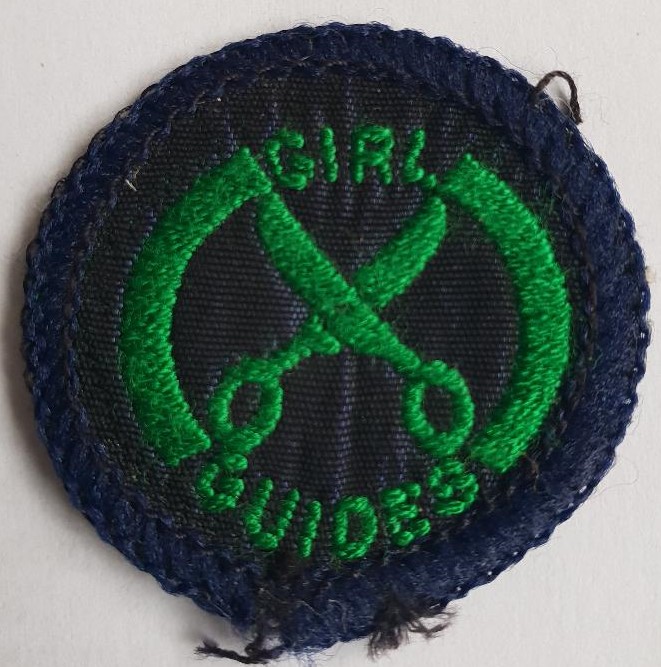
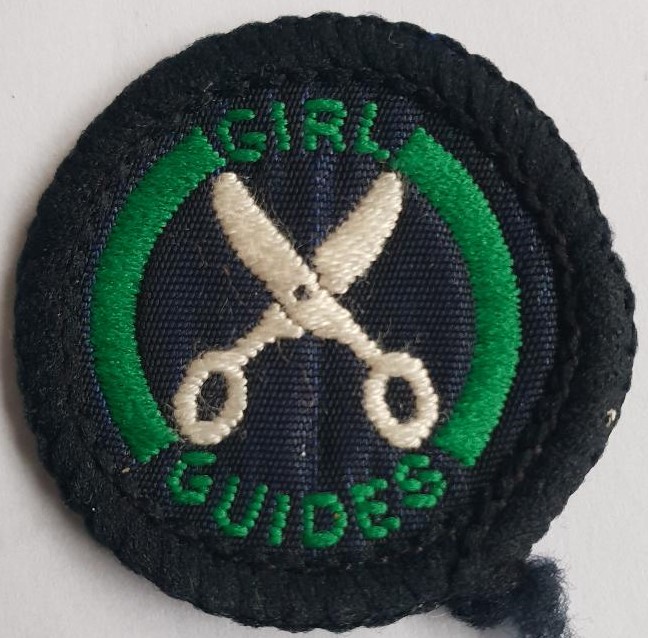
Needleworker (scissors) (c1920-1990 then staged)
Observer/Discoverer (seated rabbit rear view) (c1918-2000s
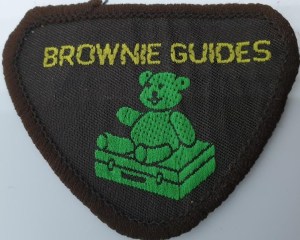
Pack Holiday (Brownie carrying case, later teddy bear seated on case) (c1986-2000s)
Pack Holiday Advanced (green teddy bear seated on case) (c1996-2000s)
Photographer (camera) (c1968-1990 then staged)
Pony Rider (horseshoe) (c1958-1994 then staged)
Quest (oval shaped badge with large stylised trefoil) (1980-1994 then staged)
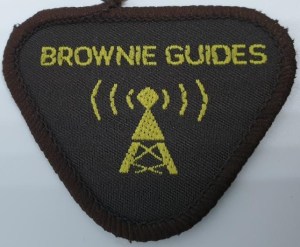
Radio Communicator (pylon) (c1968-2000s)
Rambler (Brownie wearing rucksack) (c1986-1991 then staged)
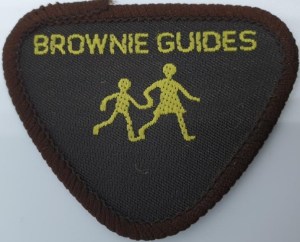
Road Safety (figure on zebra crossing, later ‘children crossing’ sign) (c1986-2000s)
Safety in the Home (fireguard) (1968-2000s)
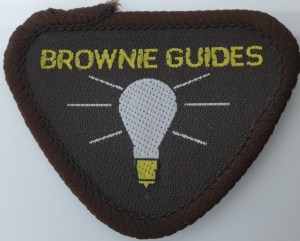
Science Investigator (light bulb) (c1986-2000s)
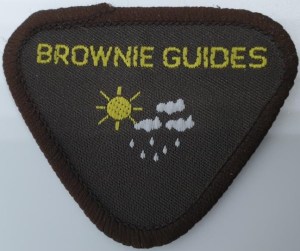
Seasons (sun and clouds) (c1986-2000s)
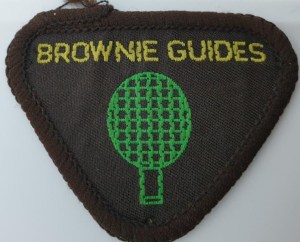
Short Tennis (racquet head, later crossed racquets) (c1986-1990 then staged)
Short Tennis Advanced (green racquet head, later crossed racquets) (c1986-1990 then staged)
Signaller (morse flag, later crossed semaphore flags) (c1916-2000s)
Singer (triplet notes) (c1958-2000s)
Skater (girl on skates) (c1968-1994, then merged into Sportswoman)
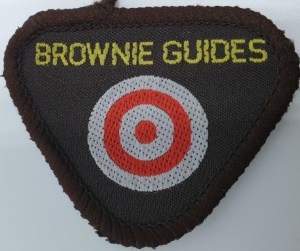
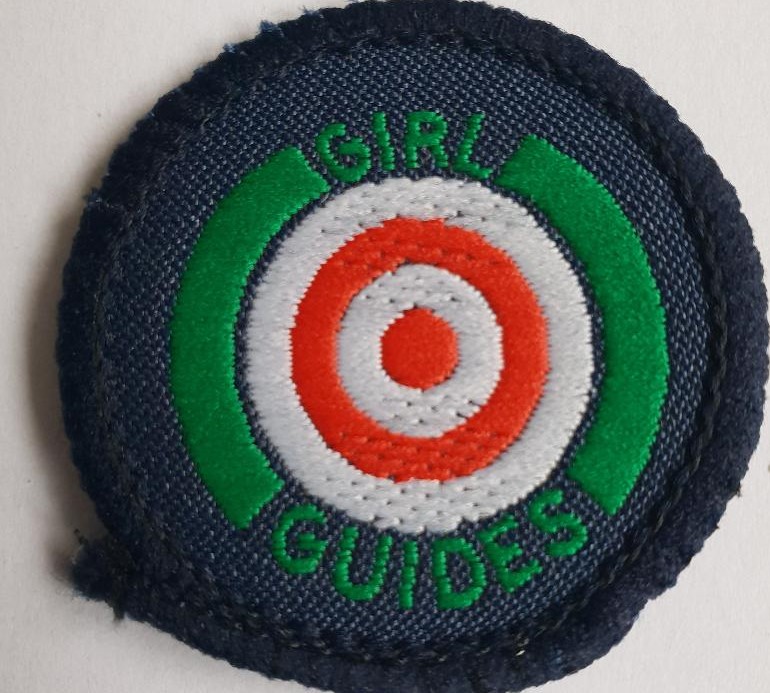
Sportswoman (target) (c1986-2000s)
Stargazer (telescope and stars) (c1968-2000s)
Swimmer (frog) (c1916-1995 then staged)
Swimmer Advanced (fish) (c1980-1995 then staged)
Team Player (ball) (c1916, withdrawn by 1948, perhaps earlier)
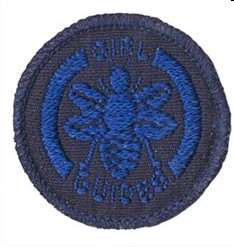
Thrift (bee, later piggy bank with coin [many variations of bank/coin colour and direction faced!]) (c1933, withdrawn 1968, reintroduced c1986-2000s)
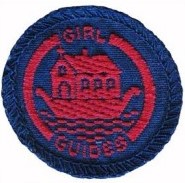
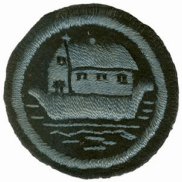
Toymaker (ark) (c1920-2000s)
Water Rescuer (lifebelt) (c1968-1995 then staged)
Weaver/Craft (spider web) (c1916-2000s)
Woodworker (saw) (c1916-c1980)
World Culture (handshake) (c1986-2000s)
World Guiding (trefoil) (c1986-2000s)
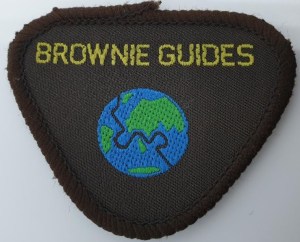
World Issues (globe in jigsaw pieces) (c1986-2000s)
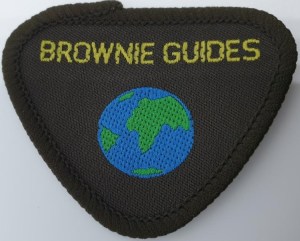
Worldwide (globe) (c1986-2000s)
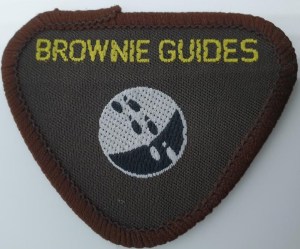
World Traveller (footprints on black/white disc) (c1986-2000s)
Writer (quill on scroll) (c1933-1995 then staged)
These badges were worn sewn on the right sleeve, in pairs, up until 1990 – thereafter they could be sewn on the sash in the position of the wearer’s choice.
These badges were all discontinued in the 2000s, when the diamond-shaped badges were introduced, which were in use until 2018/19, the Brownie could display these on a sash or gilet if wished:
Agility, Artist, Booklover, Brownie Camper, Brownie Camper Advanced, Holiday, Holiday Advanced, Brownie Skills, Brownie Traditions, Circus Performer, Collector, Communicator, Computer, Cook, Cook Advanced, Craft, Crime Prevention, Culture, Cyclist, Cancer, Designer, Disability Awareness, Discovering Faith, Entertainer, Environment, Finding Your Way, Fire Safety, First Aid, First Aid Advanced, Friend to Animals, Gardener, Hobbies, Healthy Heart, Home Safety, Home Skills, Hostess, Musician, Number Fun, Out and About, Rider, Road Safety, Science Investigator, Seasons, Speaker, Sports, Stargazer, Swimmer, Swimmer Advanced, Toymaker, Water Safety, Watersports, Wildlife Explorer, World Cultures, World Guiding, World Issues, World Traveller

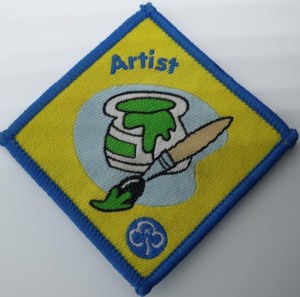
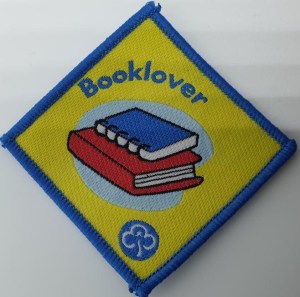
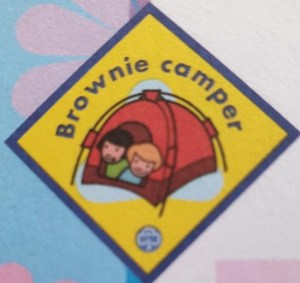

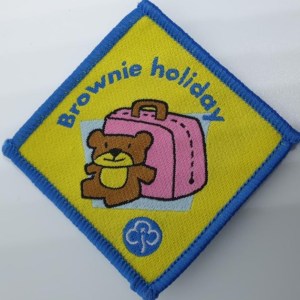


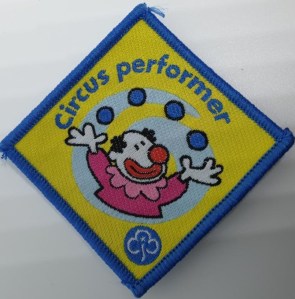
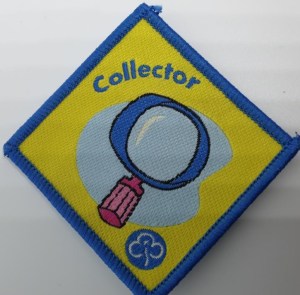
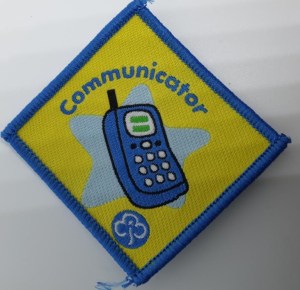

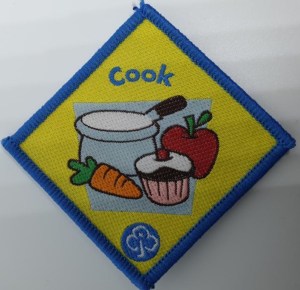
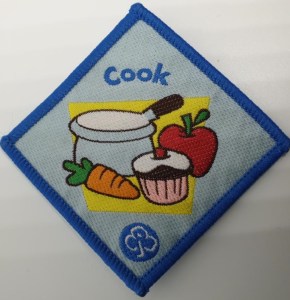
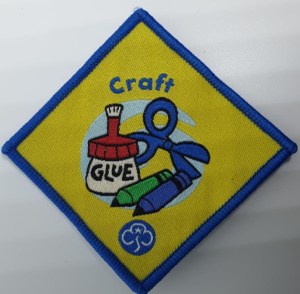

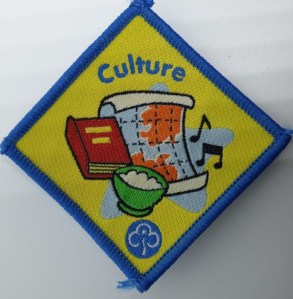
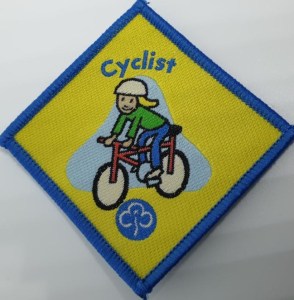
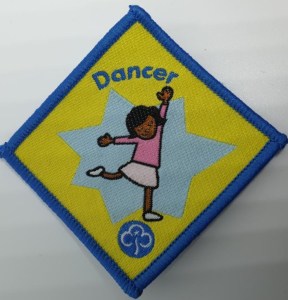
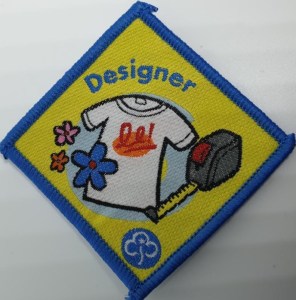


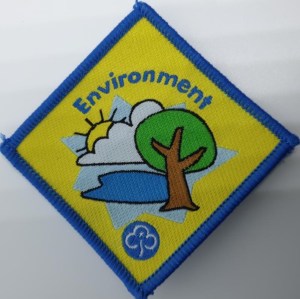


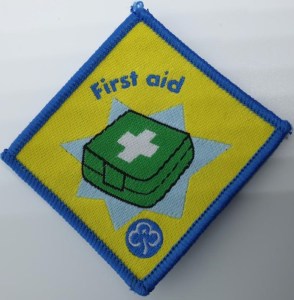
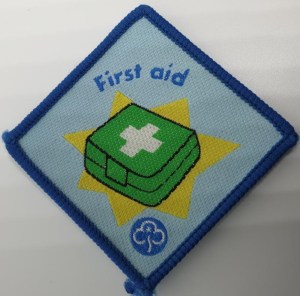
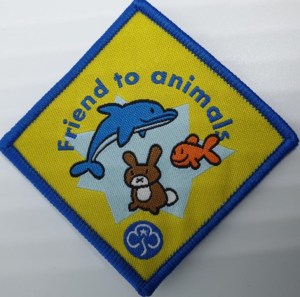
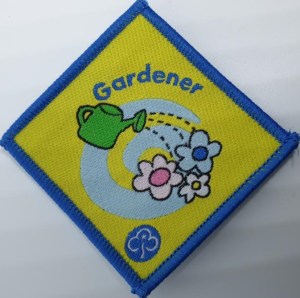
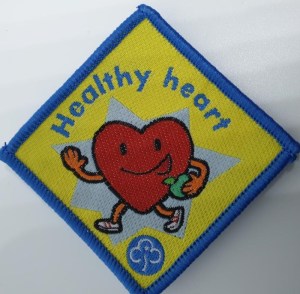

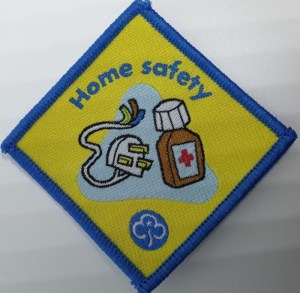
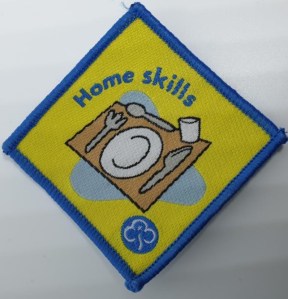
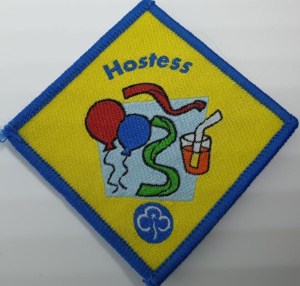

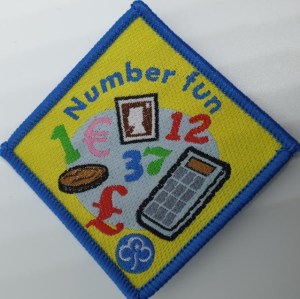


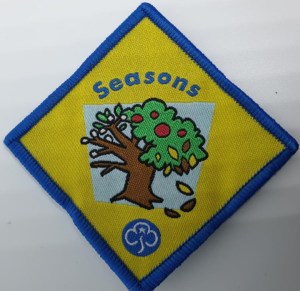
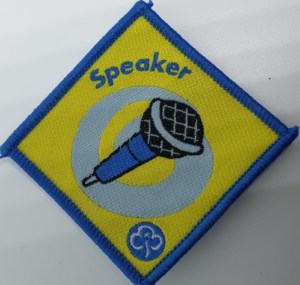
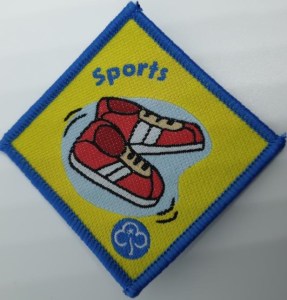

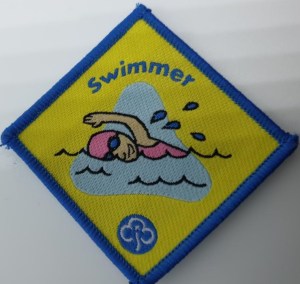
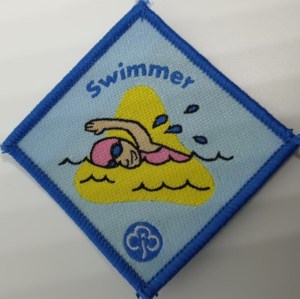


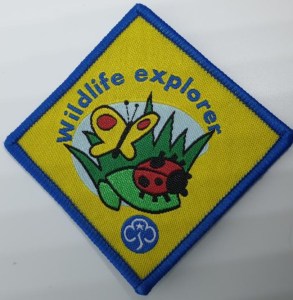


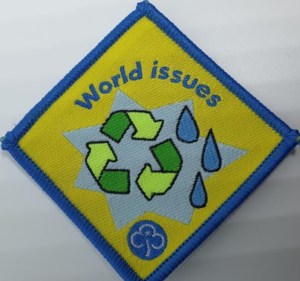
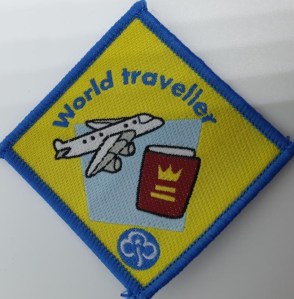
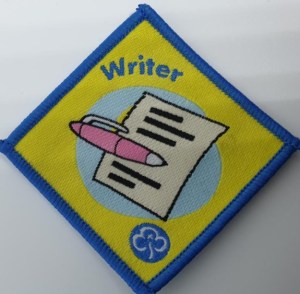
With this set, where there is an ordinary badge and an advanced badge, the advanced badge has a pale blue background rather than the standard yellow background.
In the 2010s ‘sponsored’ badges were issued – these were exactly the same as the standard badges other than having a white edge – there was no indication on the badges of who sponsored each.
In 2014, a limited number of special edition badges were introduced to mark the Brownie Centenary. These were in the same colours as the standard Brownie interest badges, but had a special ‘100’ logo. The badges were a somewhat random selection of those then current:
Agility, Brownie Camper, Brownie Camper Advanced, Brownie Holiday, Brownie Holiday Advanced, Circus Performer, Communicator, Cook, Cook Advanced, Craft, Disability Awareness, Environment, Finding your Way, Friend to Animals, Hobbies, Out and About, Road Safety, Sports, World Cultures, World Guiding, World Issues, World Traveller.
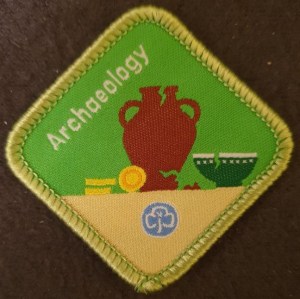
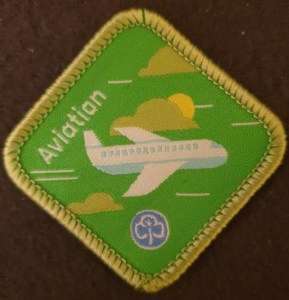
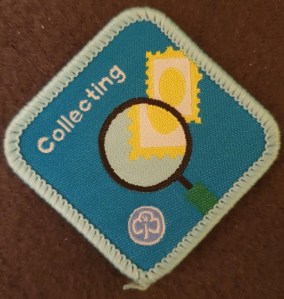
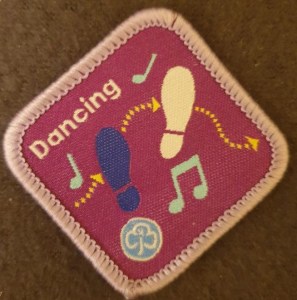
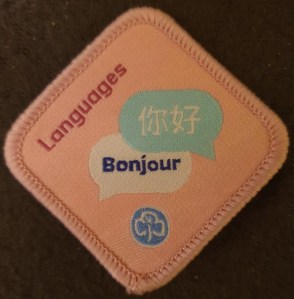
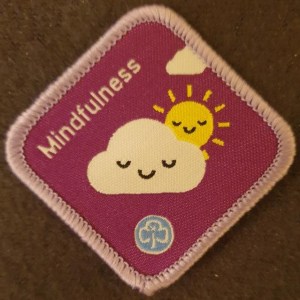
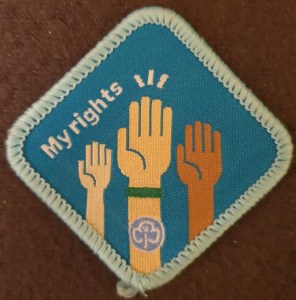
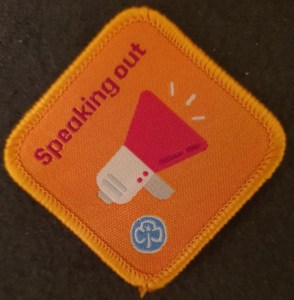
In July 2018 a new programme for Brownies was introduced, and interest badges reverted to solely being worked on at home, with a year of programme transition allowed. All previous interest badges were then withdrawn, and a new selection of badges were introduced, back to being colour coded and arranged by theme – what goes around comes around? The selection was: Collecting, My Rights, Local History, Performing, Baking, Painting, Dancing, Grow Your Own, Mindfulness, Archaeology, Aviation, Space, Speaking Out, Charities, Zero Waste, Inventing, Jobs, and Languages.








In the summer of 2025 new Brownie interest badges were introduced. The new designs have the central area in the yellow section colour, with only the binding of the badge in theme colour. The new badges are: Animal Helper, Birdwatcher, Book Reviewer, Celebrations, Crafts, Folklore, Games Master, Guiding Glow, Holidays, Imagination, Kindness, Kitchen Creations, Mechanic, My Voice, Passions, Safety, Sportswoman, and Wayfinder.
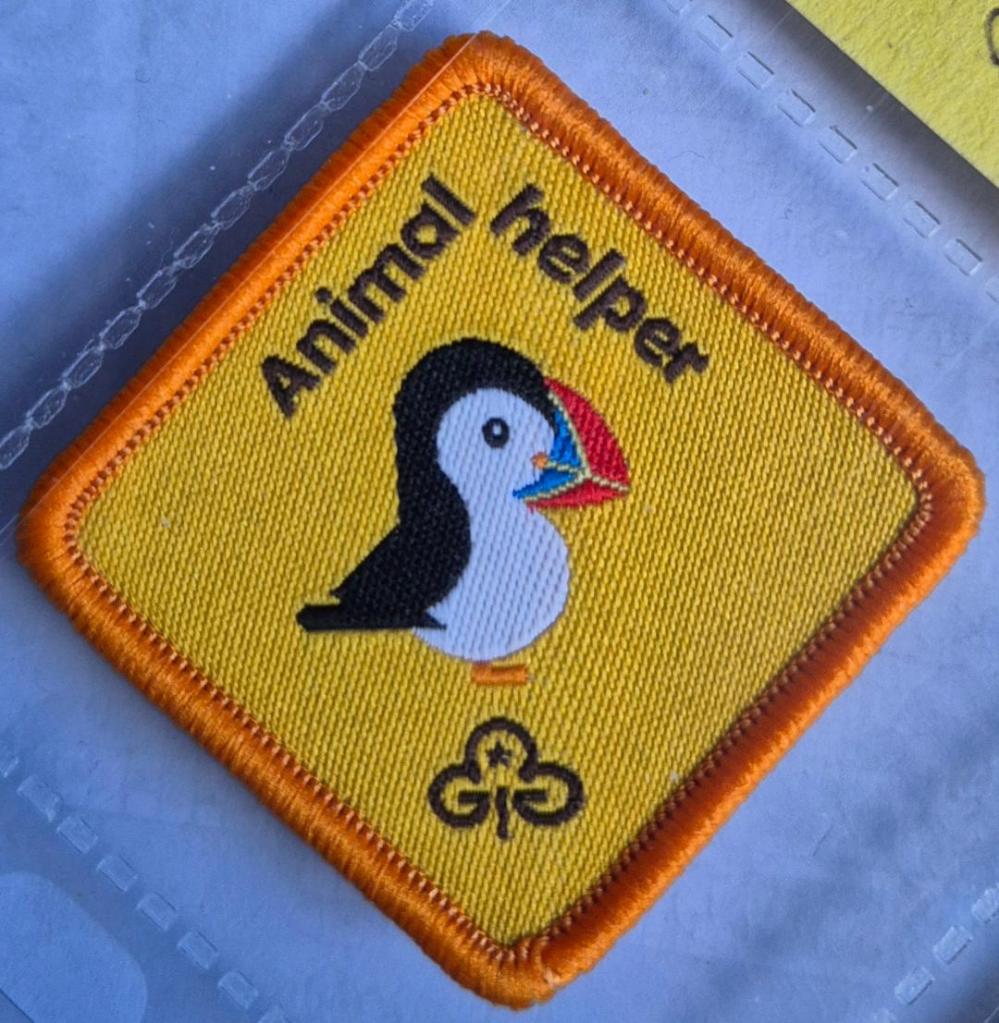
Brownie Animal Helper 2025 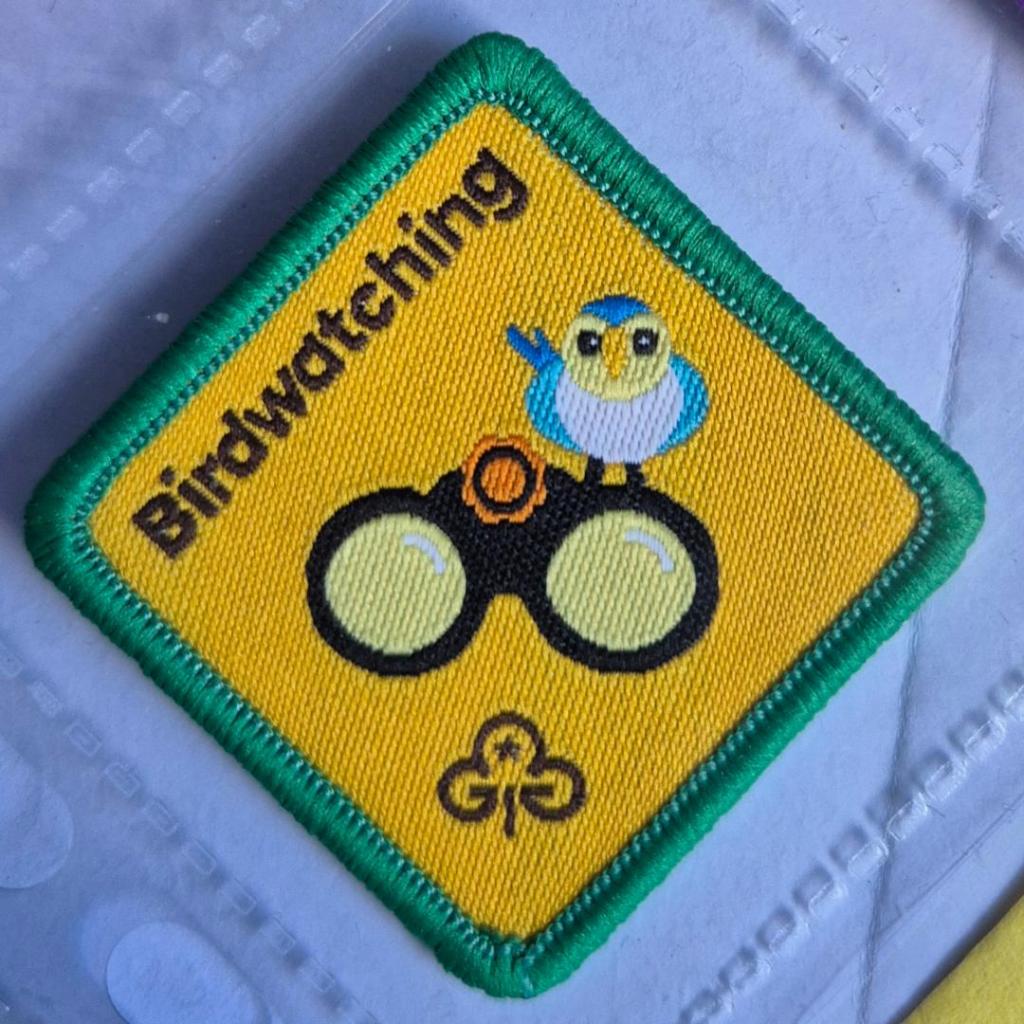
Brownie Birdwatching badge 2025 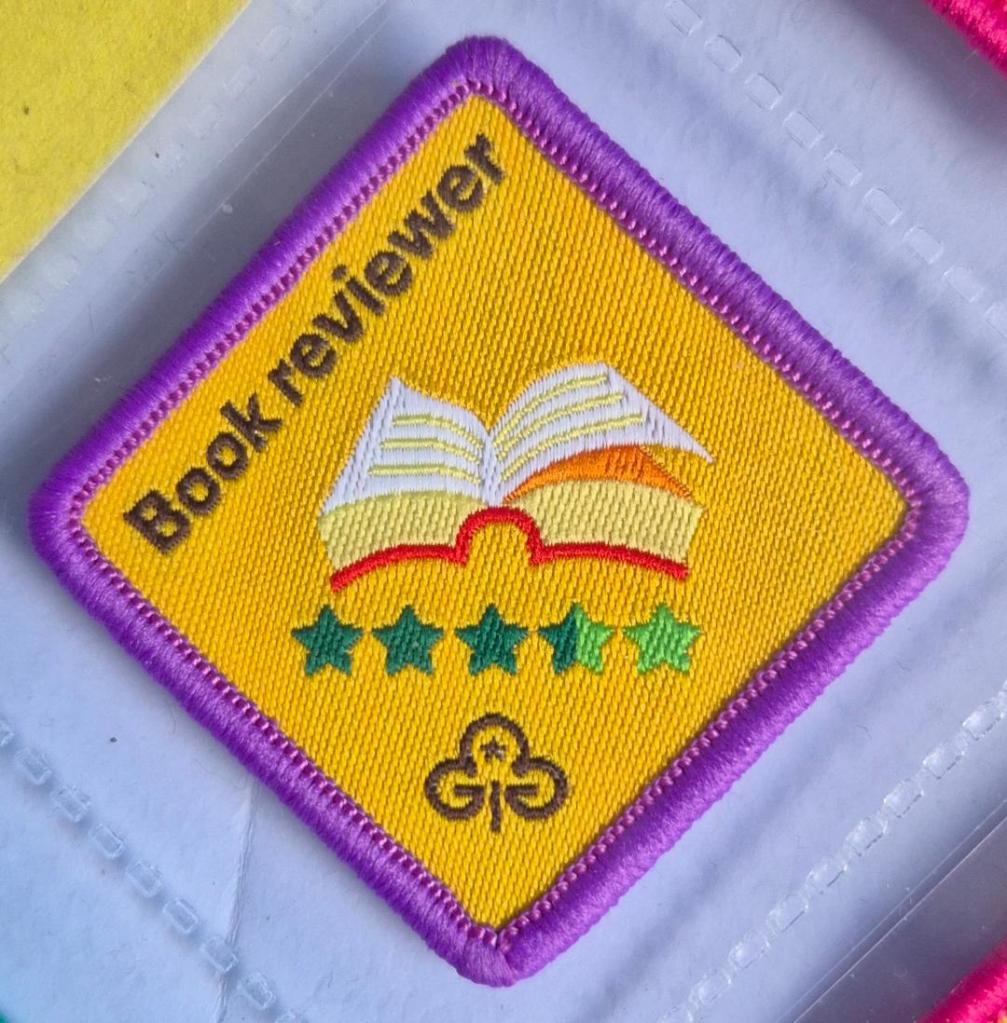
Brownie Book Reviewer badge 2025 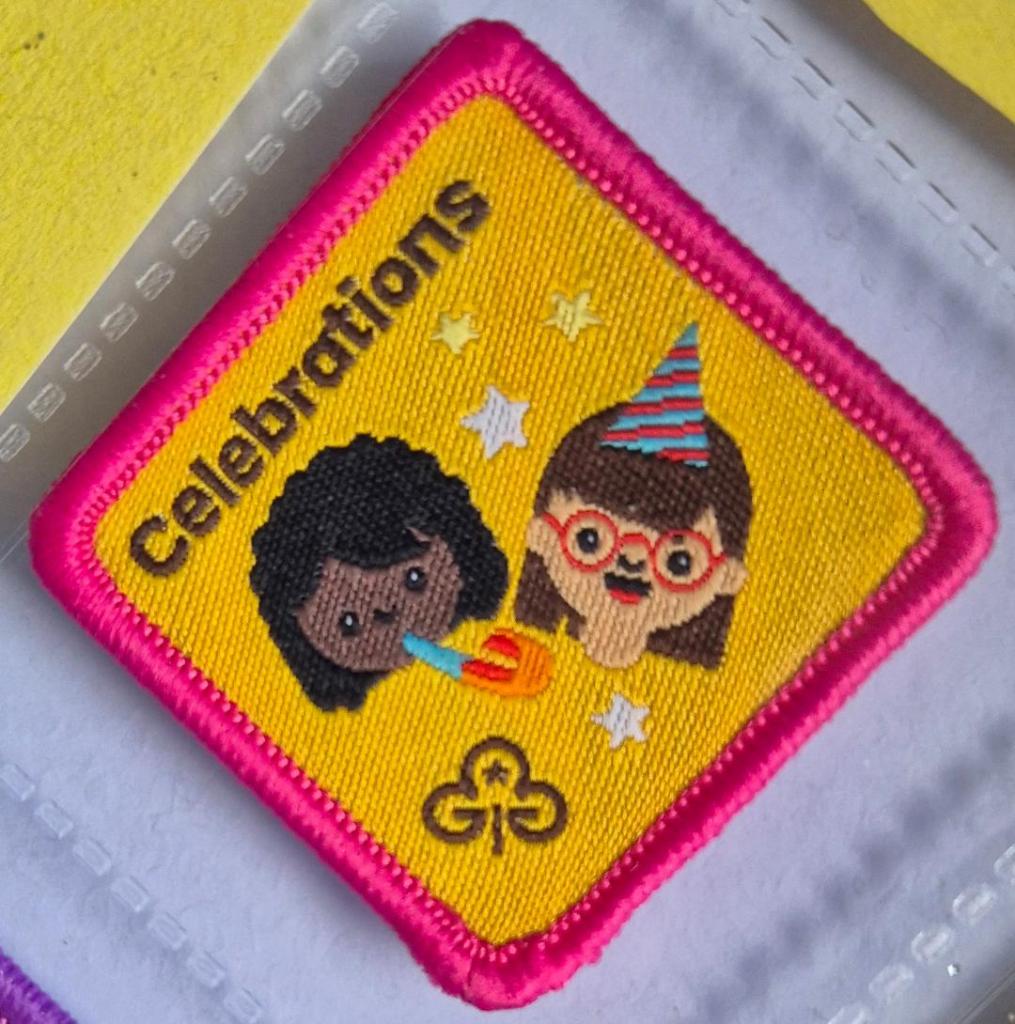
Brownie Celebrations badge 2025 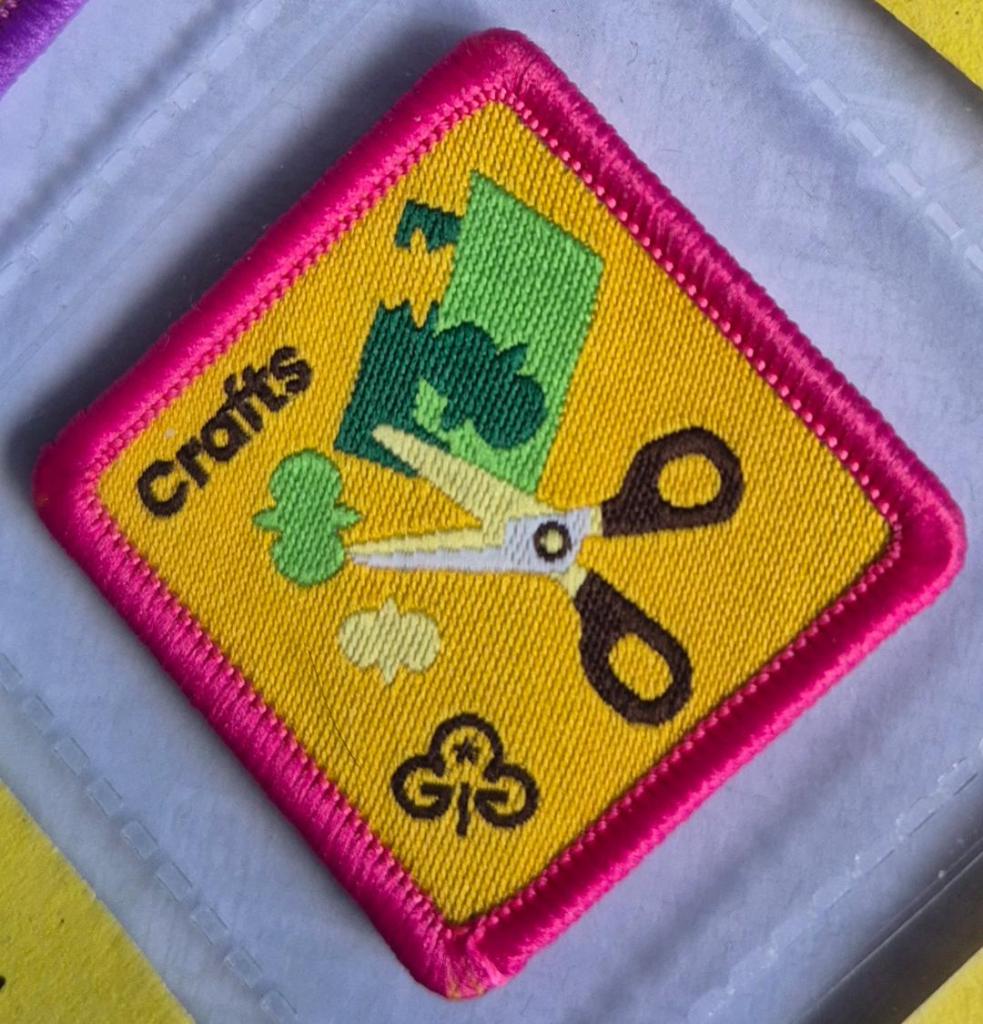
Brownie Crafts badge 2025 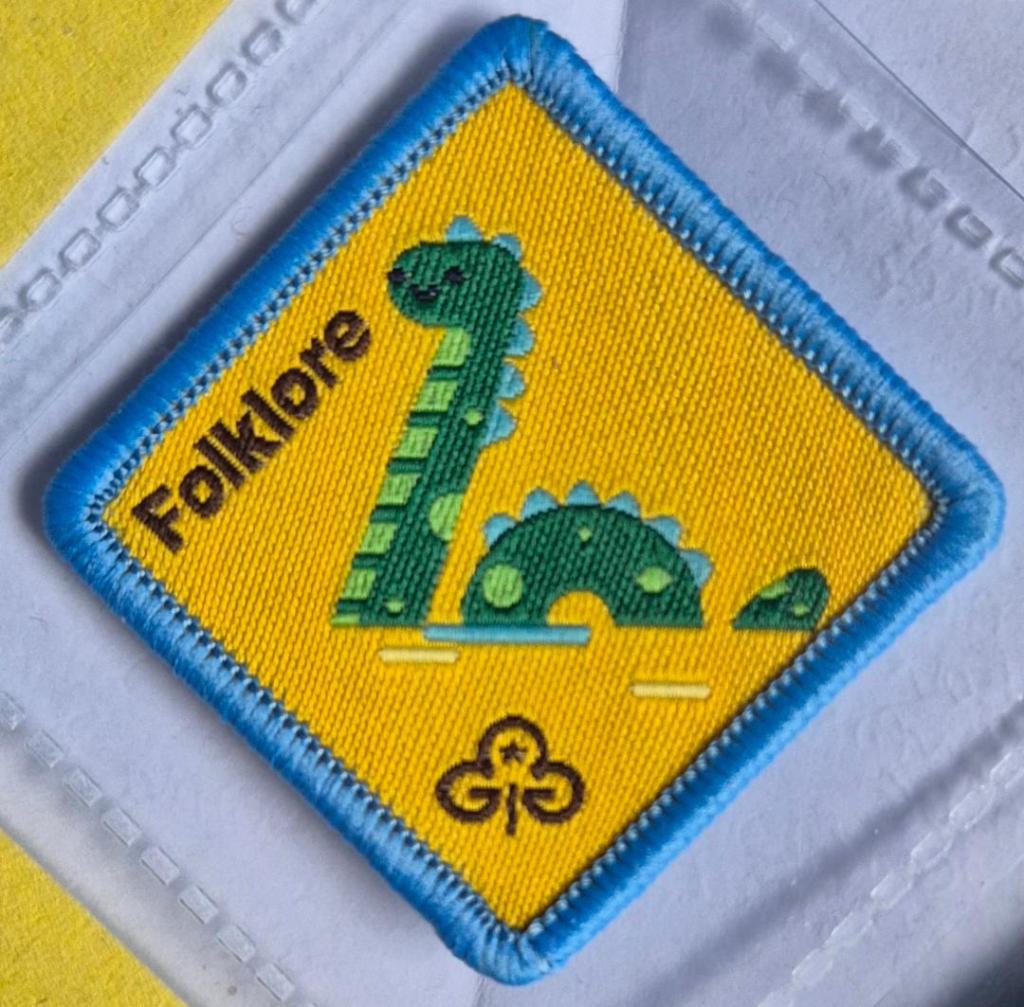
Brownie Folklore badge 2025 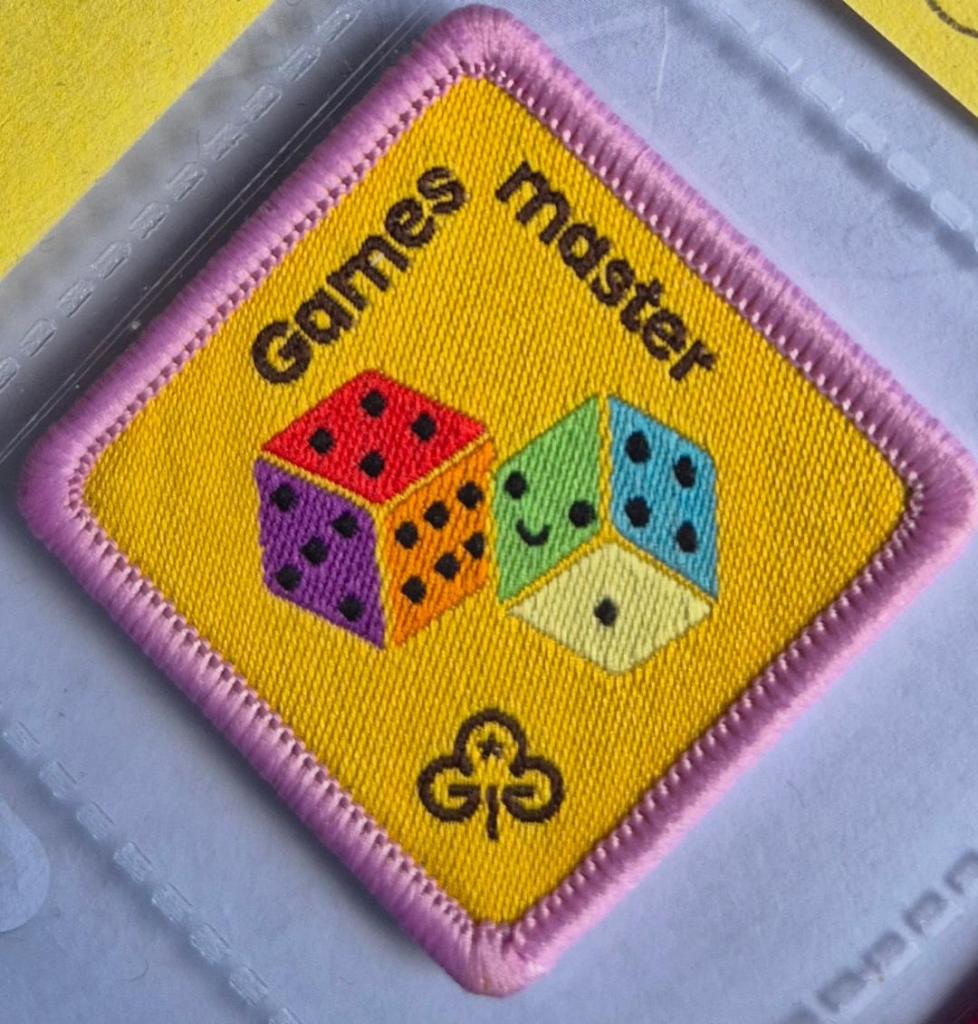
Brownie Games Master 2025 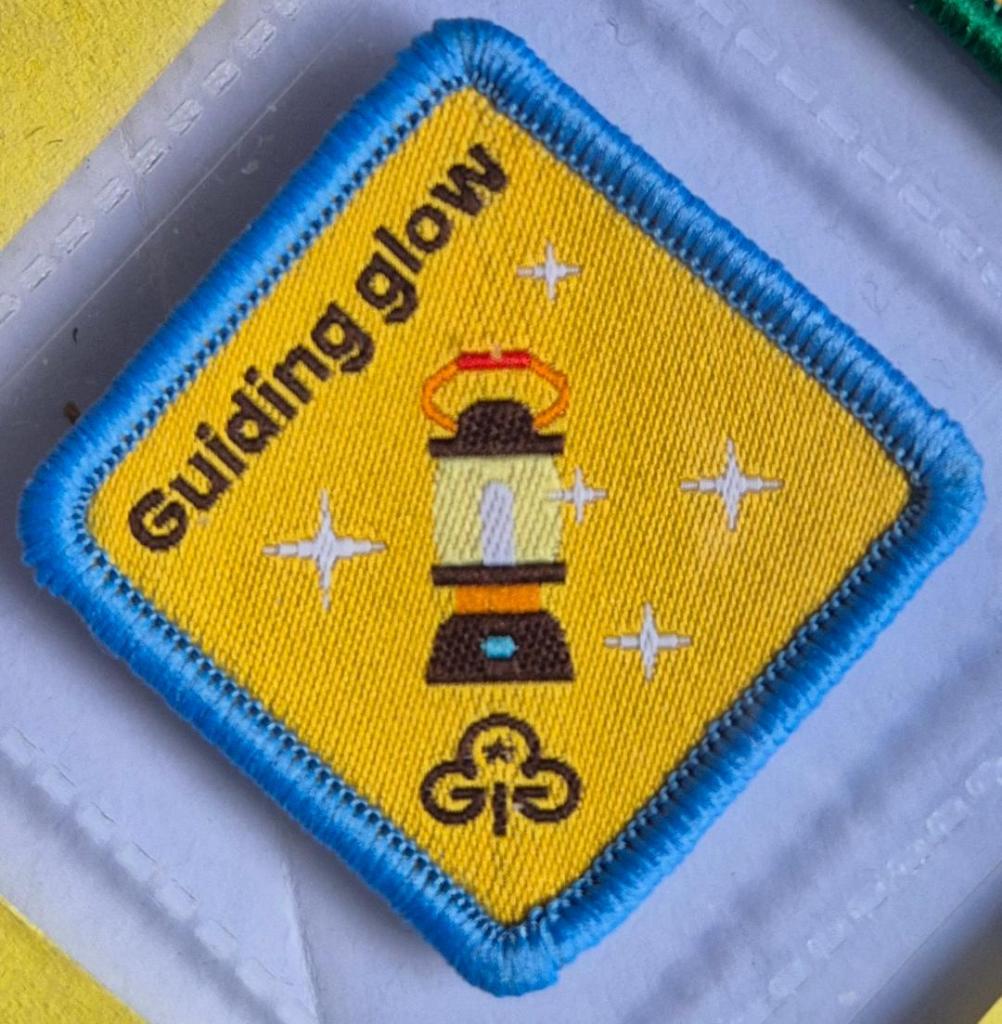
Brownie Guiding Glow badge 2025 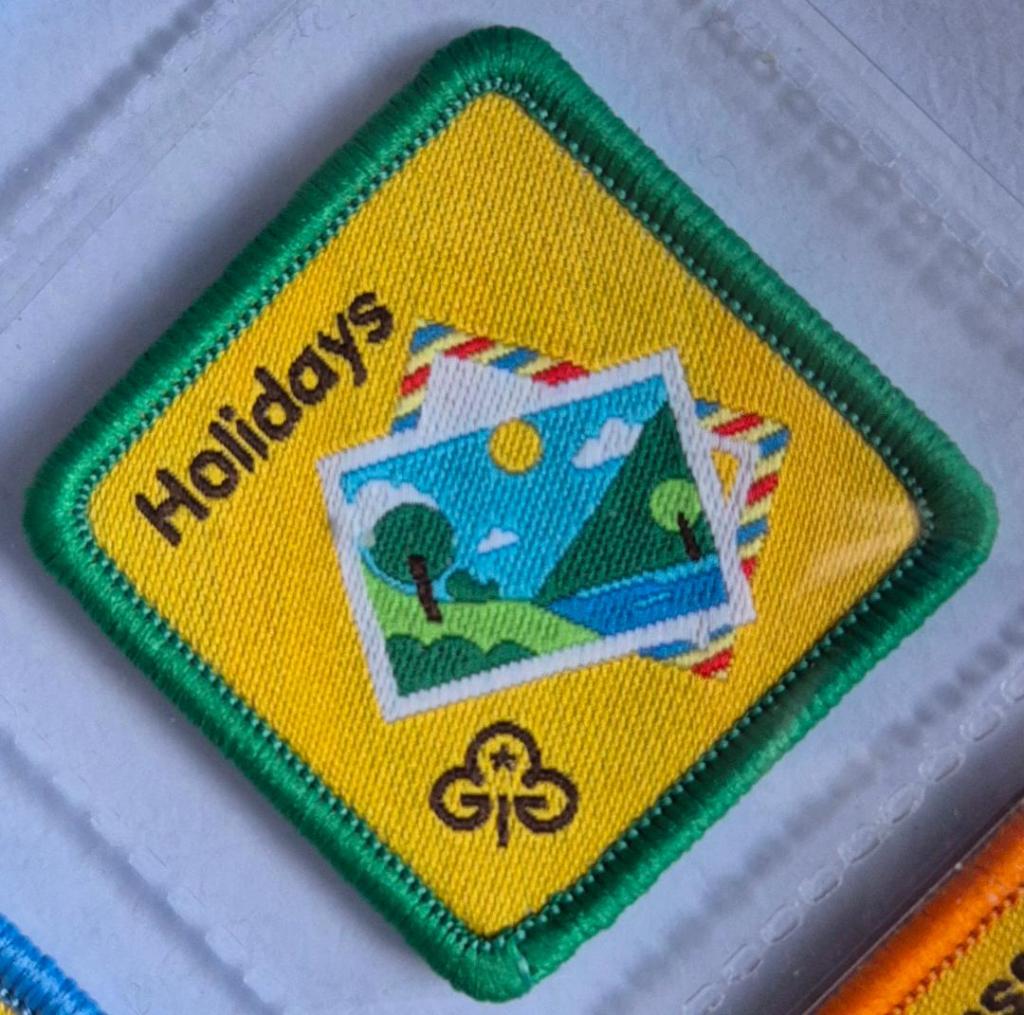
Brownie Holidays badge 2025 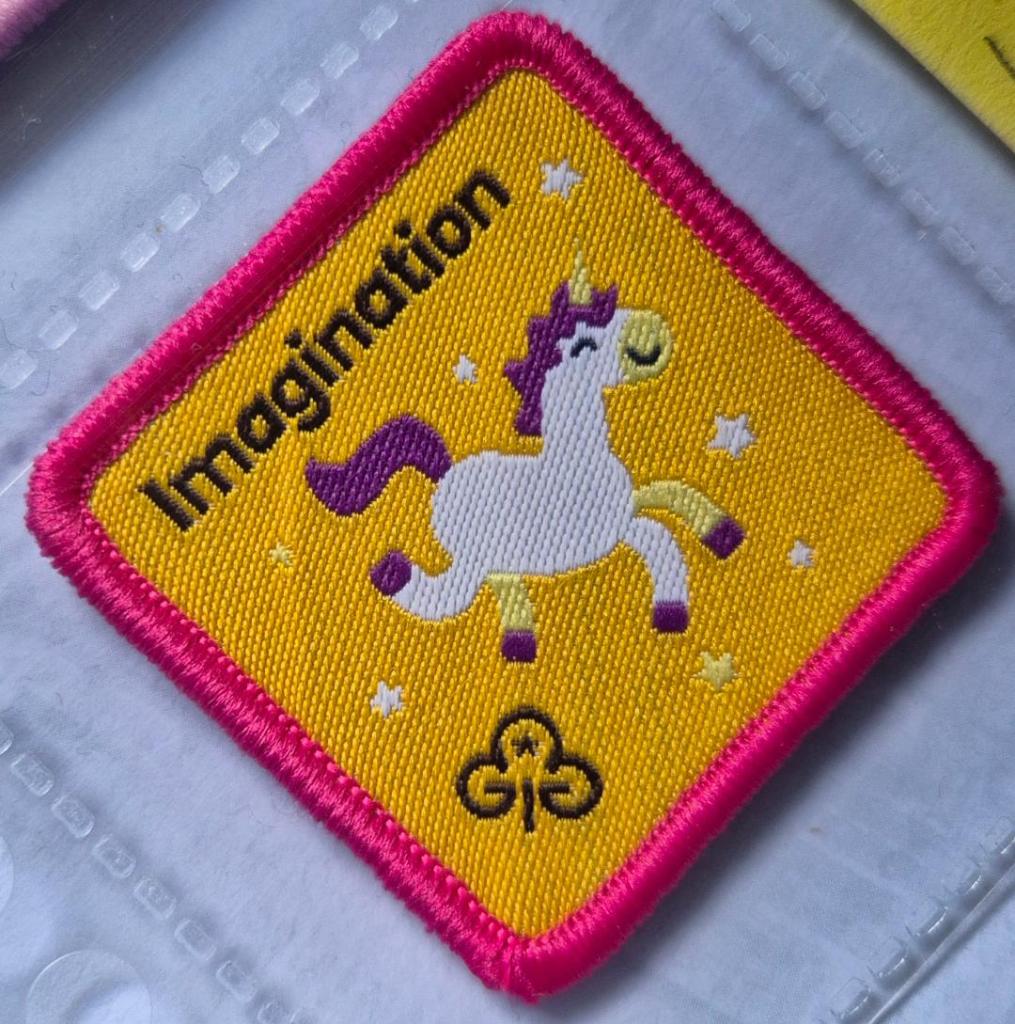
Brownie Imagination badge 2025 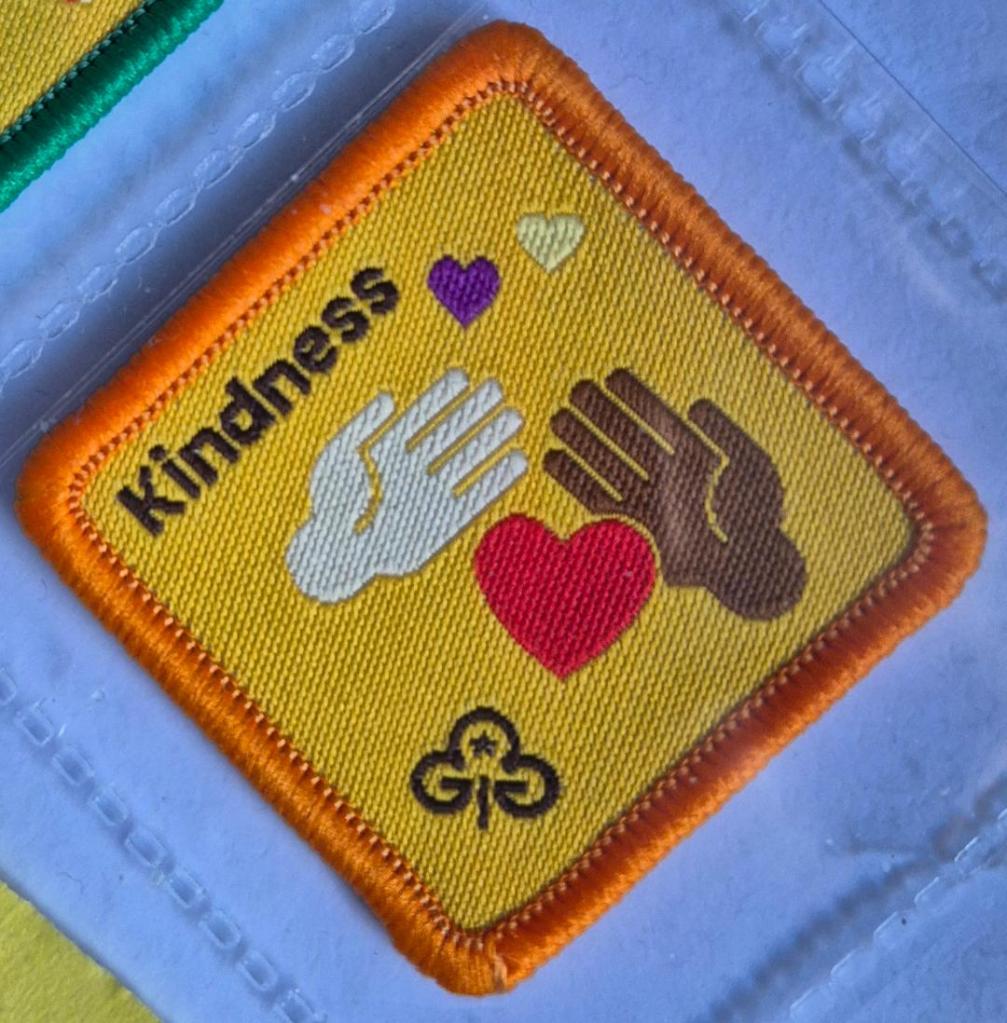
Brownie Kindness badge 2025 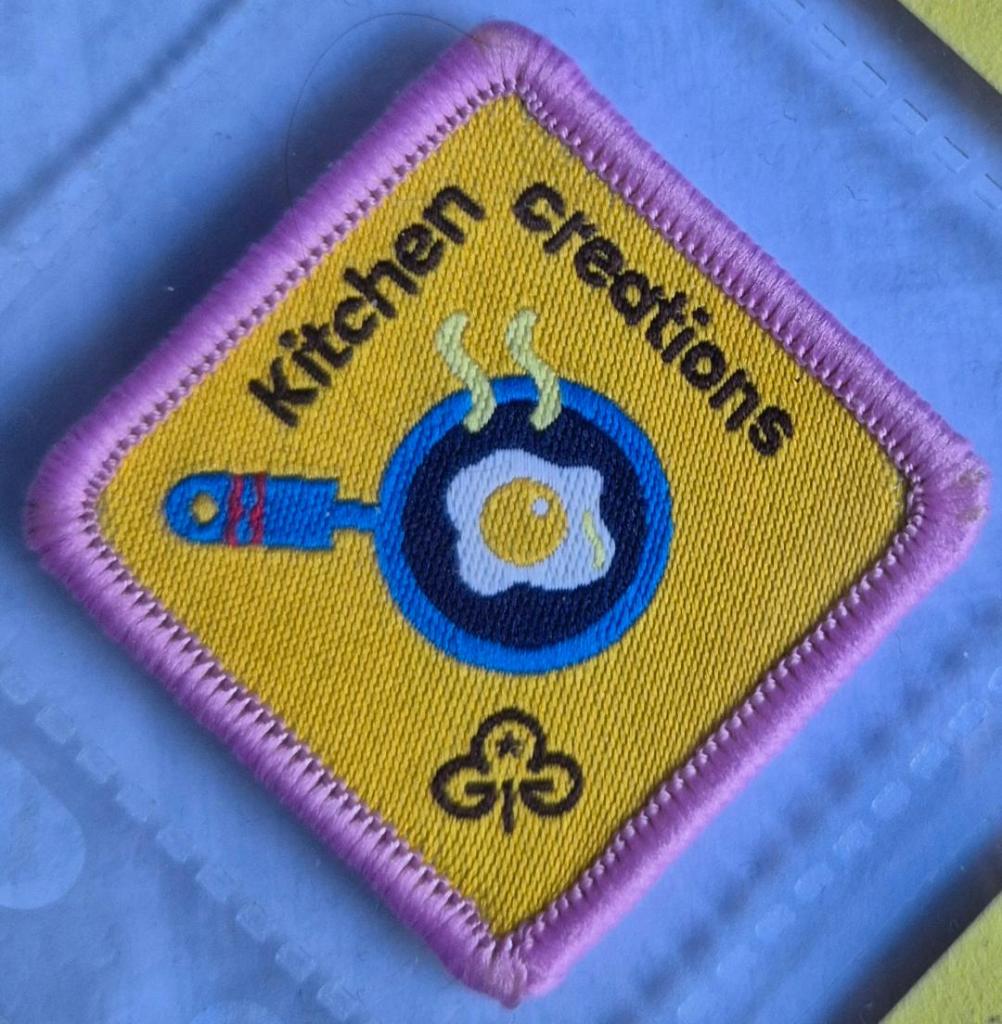
Brownie Kitchen Creations 2025 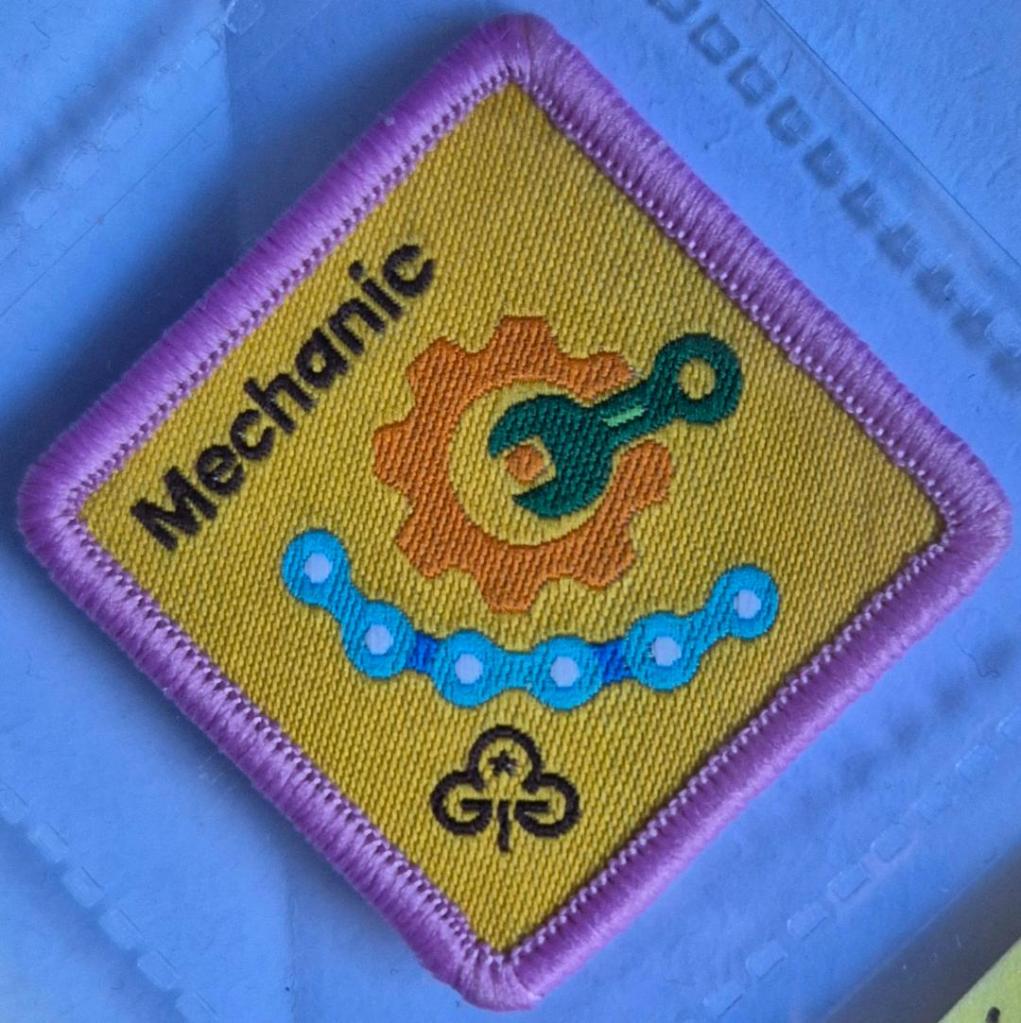
Brownie Mechanic badge 2025 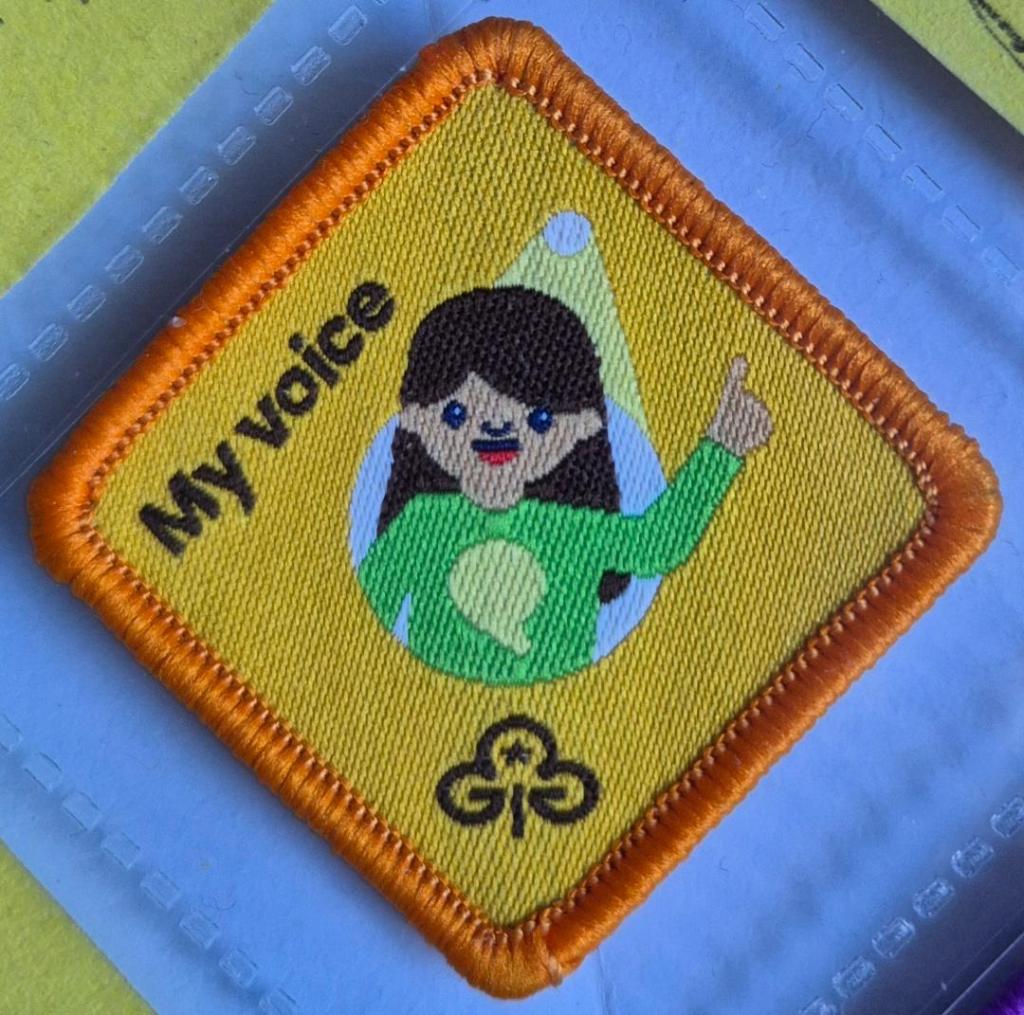
Brownie My Voice badge 2025 
Brownie Passions badge 2025 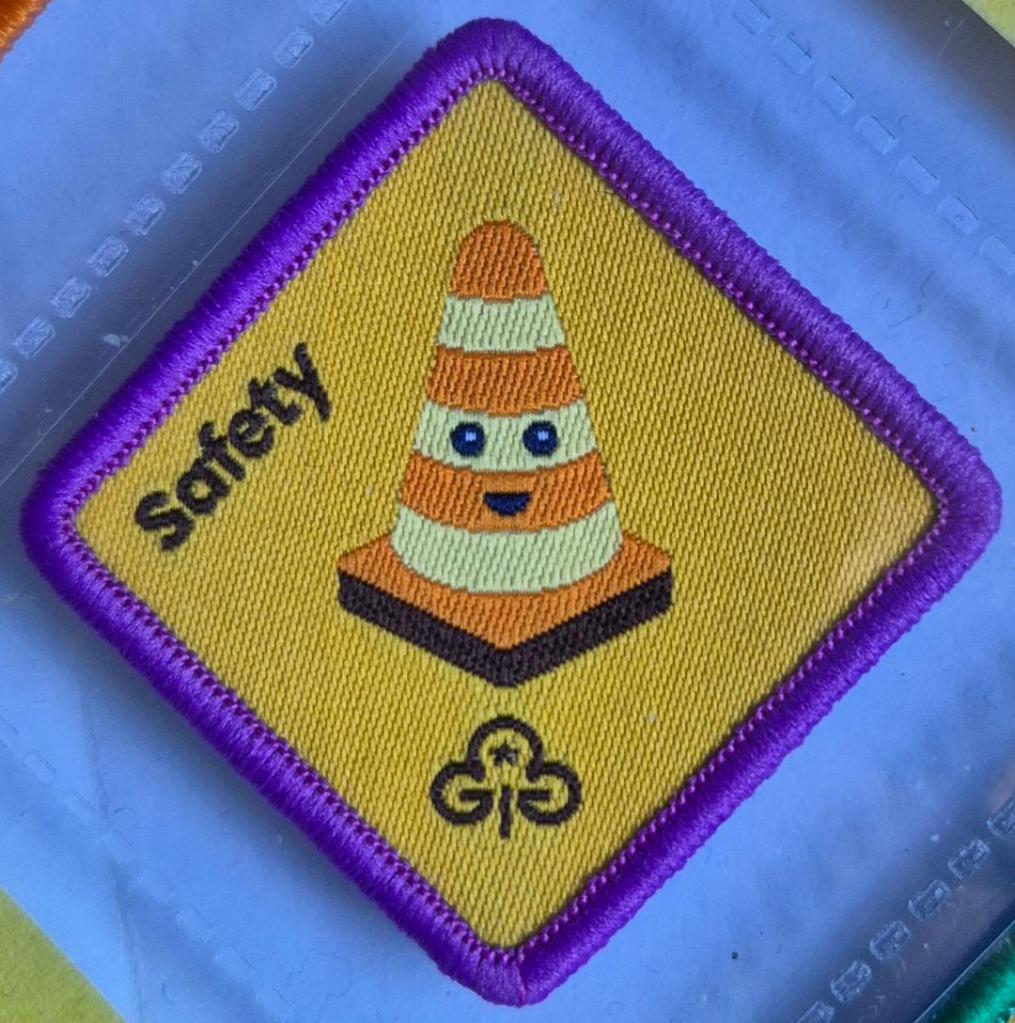
Brownie Safety badge 2025 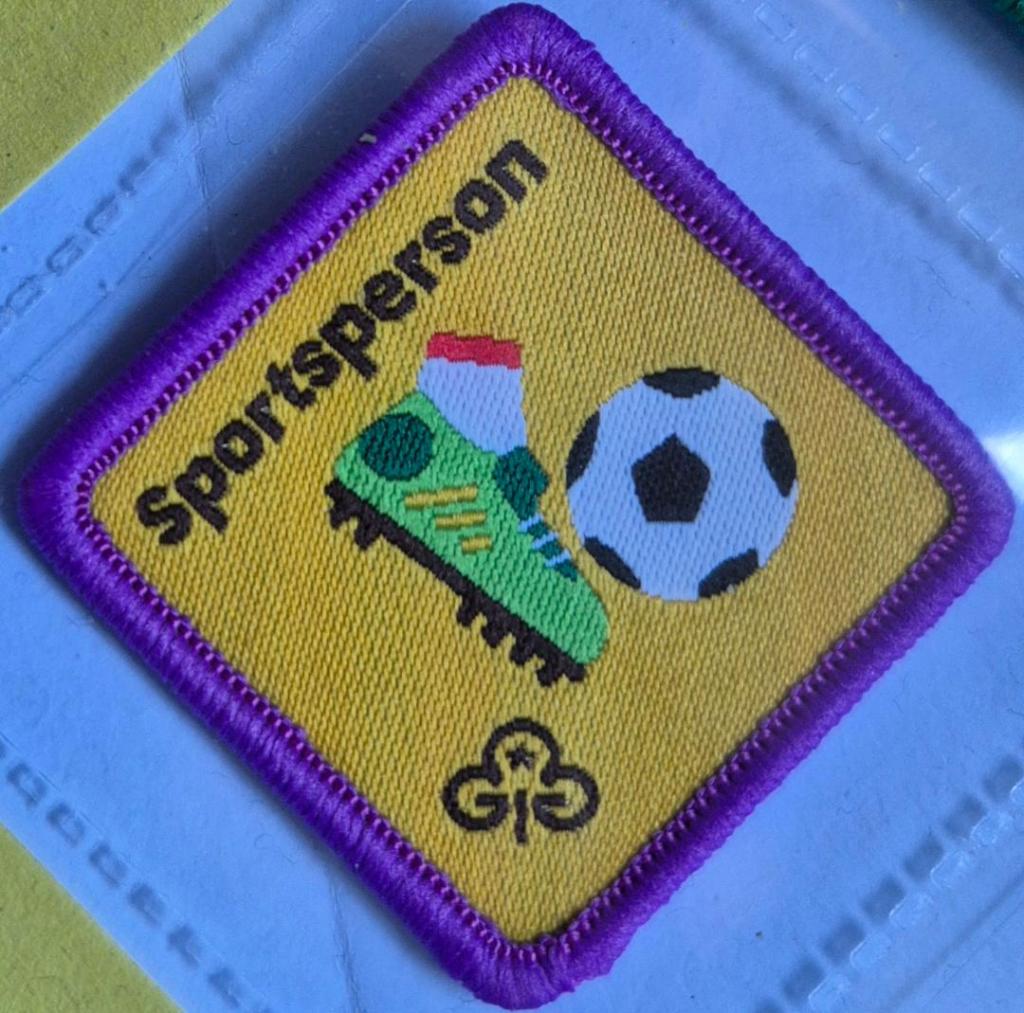
Brownie Sportsperson badge 2025 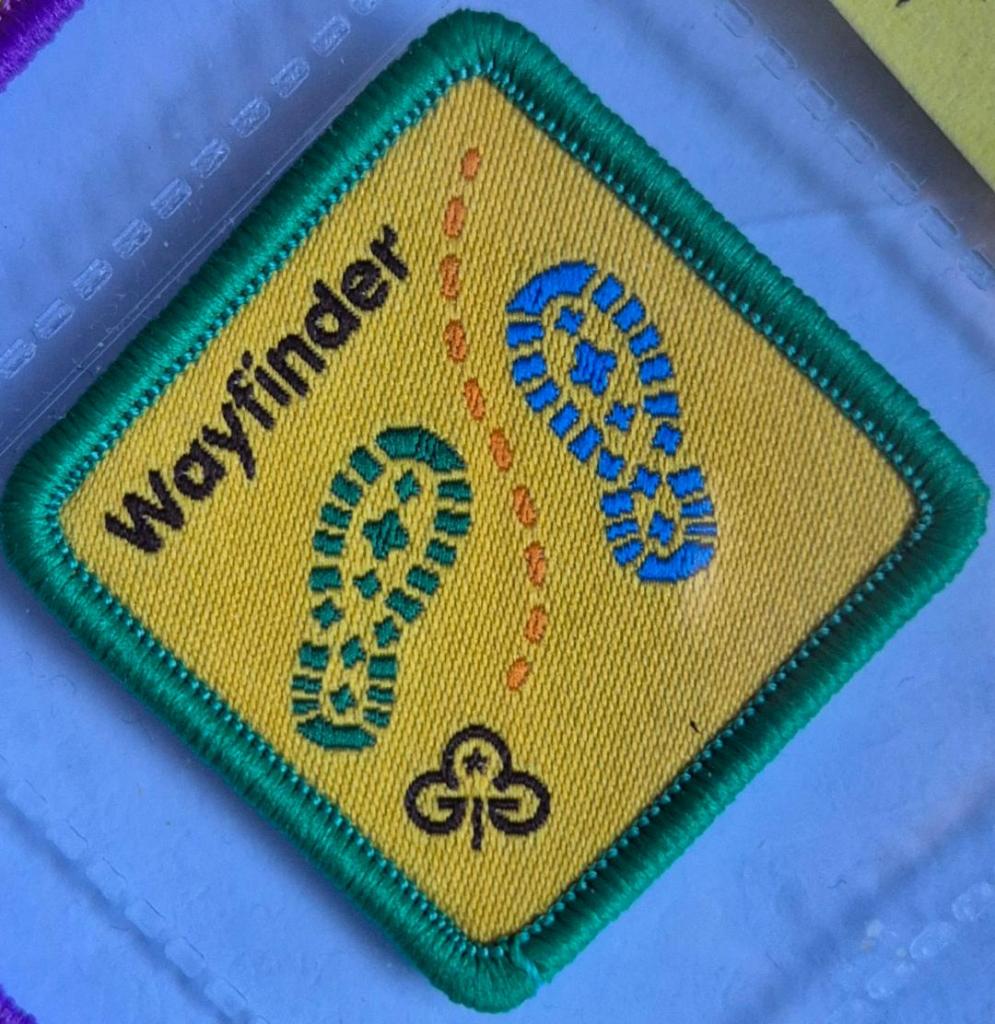
Brownie Wayfinder badge 2025
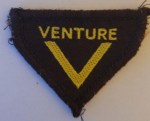
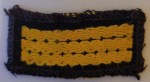
Other badges for Brownies were the Venture Badge (given for taking part in a pack project of some kind) and the Sixer and Seconder Badges. Originally these were a set of yellow stripes – one stripe for the second and two for the Sixer – worn around the sleeve, later in the form of a smaller badge worn above the Six Badge. If you see a badge which is brown with three yellow stripes, that is actually a Guide badge, for a Pack Leader (now known as a Brownie Helper) – a Guide who also helps at a Brownie unit.


For some years (and prior to 1968) there was a separate ‘Brownie World Badge’, similar to the Guide World Badge, it was a brass pin badge in an oval shape which featured the then Brownie salute (of two fingers raised together rather than the current three) in brass on a blue enamel background.

Staged Interest Badges
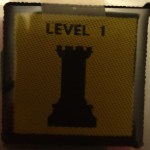
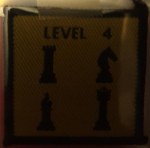
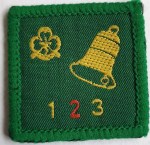
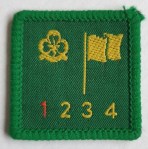
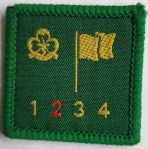
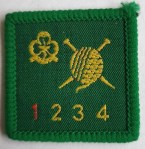
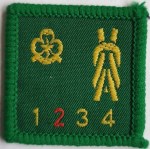
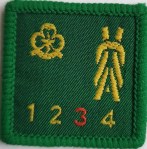
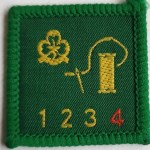
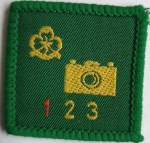
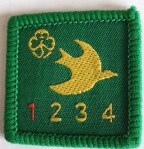
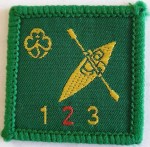
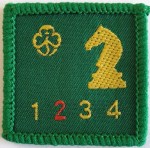
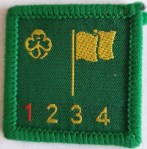
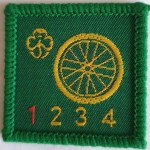
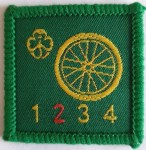
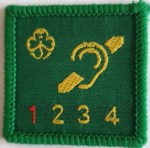
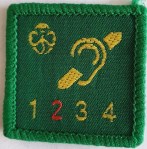
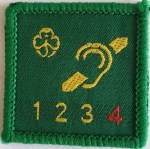
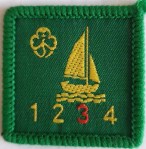
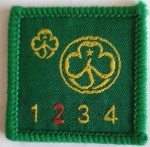
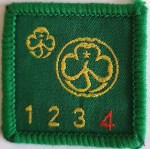
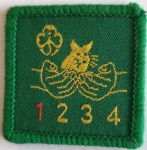
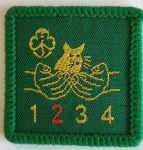
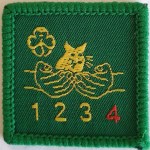
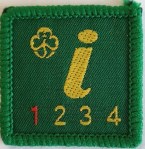
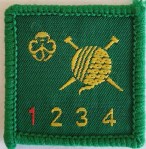
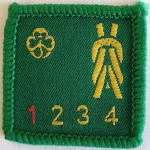
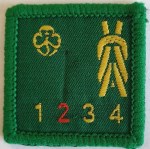
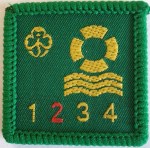
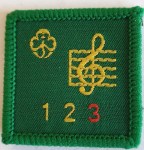
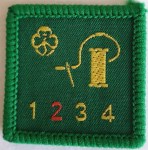
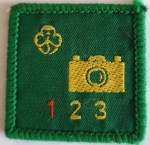
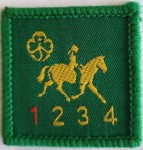
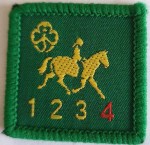
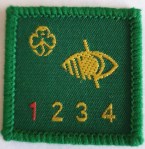
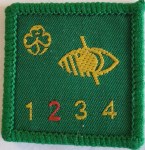
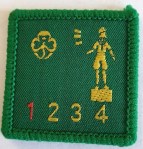
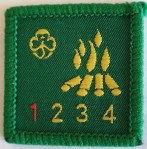
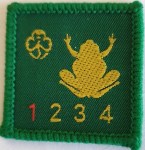
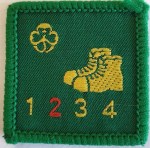
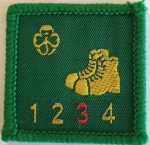
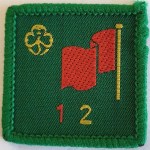
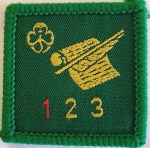
From 1991 a series of staged badges were introduced, which were available equally to Brownies, Guides and Senior Section – as they covered skills or hobbies which one might start to learn at varying ages in different localities. It meant that girls could tackle a stage which was appropriate to the progress of their skills – they did not have to do stage 1 if they could already manage stage 2 or stage 3. Chess was the first, and featured the appropriate number of chess pieces in brown on a yellow background, it was followed by short tennis which had two stages, featuring different coloured crossed racquets. After this, the designs were all standardised as a mid-green square with a design (usually in yellow), and numbers at the bottom, the number in red indicating the stage awarded. In each case, as the staged badge was introduced, any related Brownie interest badge(s) were withdrawn.
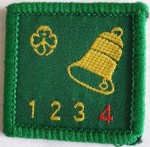
Bellringer (a bell) (1993)
Birdwatcher (flying bird (1995)
Canoeist (kayak with paddle across) (1995)
Chess (chess pieces, later knight) (1989)
Circus Skills (figure juggling) (1999)
Computer (computer with keyboard) (1995)
Cooks (chef hat, rolling pin and long spoon) (1995)
Culture (yellow flag on pole) (1993)
Cyclist (bicycle wheel) (1995)
Deaf Awareness (hearing impairment symbol) (1995)
Dinghy Sailor (yacht) (1995)
Dowhnill Skier (skier) 1993
Faith Awareness (trefoil) (1995)
Interpreter (tourist information symbol) (1995)
Knitter (ball of wool and crossed needles) (1995)
Knotter (reef knot) (1991)
Lifesaver (lifebelt) (1995)
Musician (clef on stave – some have an extra line!) (1995)
Needleworker (needle and reel) (1993)
Oarswoman (girl in a rowing boat) (1995)
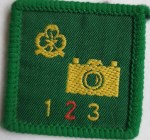
Photographer (camera) (1993)
Rider (rider on horse) (1991)
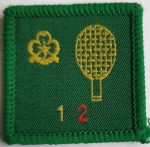
Short Tennis (racquet head, later racquets) (1989)
Sight Awareness (sight impairment symbol) (1995)
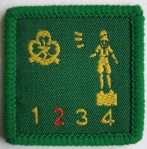
Speaker (figure on box) (1993)
Survival (campfire) (1993)
Swimmer (frog) (1995)
Walking (pair of boots) (1993)
Water Safety (red flag on pole) (1995)
Windsurfer (figure on sailboard) (1995)
Writer (quill on scroll) (1995)












































Guide Interest Badges
Guide interest badges have always been by far the most numerous. They have been around for the longest time, and have tended to cover the widest range of subjects. Perhaps because of this, at times different topics have been merged under one badge, been split into separate badges, renamed, or had the badge design altered while retaining the same name and much the same syllabus as before. New badge topics have been introduced, and old ones dropped as outdated. I will try to steer a path of sorts through all the tangles!
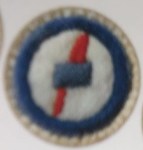
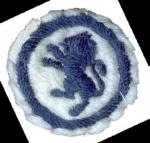
The first Proficiency badges were embroidered in dark blue thread on a white felt background. A downside was that the badges had to be removed from the uniform each time it was to be laundered, and then sewn back on afterwards. As a result, some opted to oversew the edges of their unbound badges with blanket stitch to strengthen them – it was also common for the badges to be attached by a few stitches in the middle, rather than sewing round the edges.

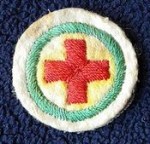
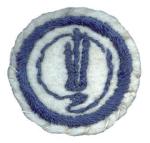


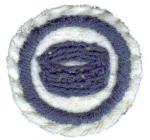


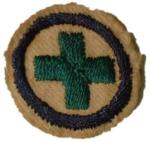

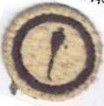


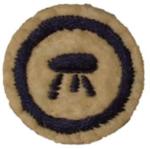



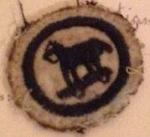
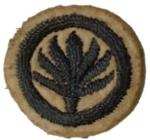


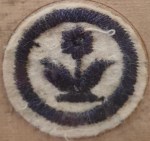
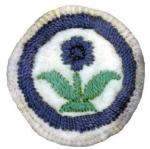
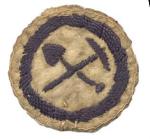


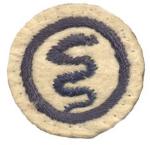
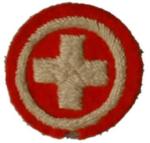
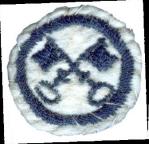
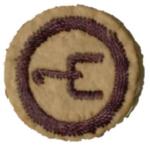

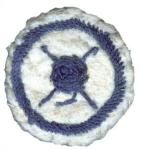
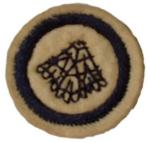
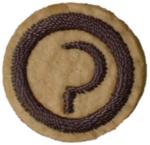
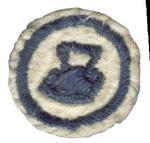
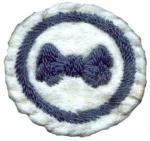
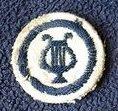

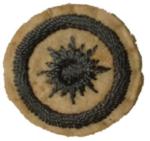


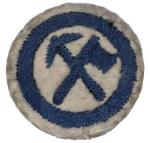
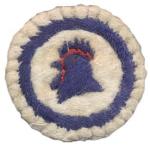

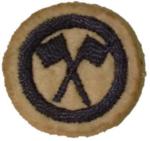


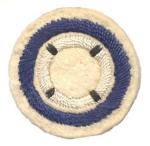

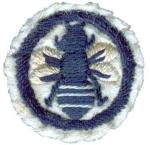

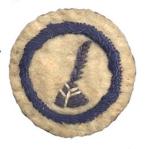
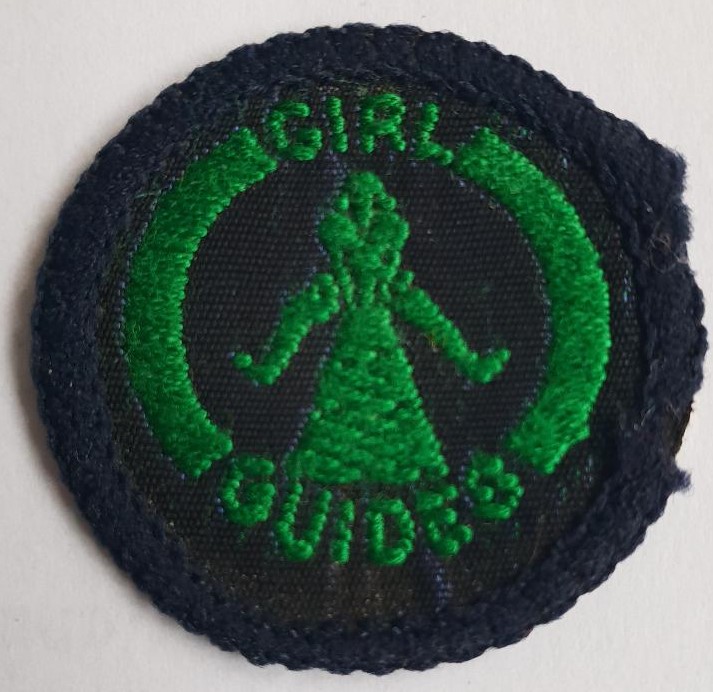
It was later decided that the white backgrounds were not very practical, and a drab background would be easier to keep clean. So badges embroidered in olive green thread on a dark felt background were introduced in the early 1920s. For a short period in the early 1930s, ‘Girl Guides’ lettering was added to the felt badges.

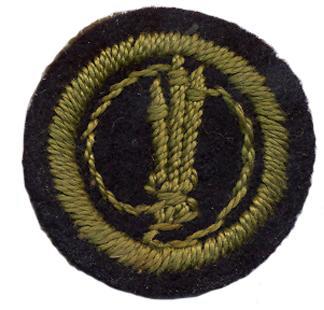


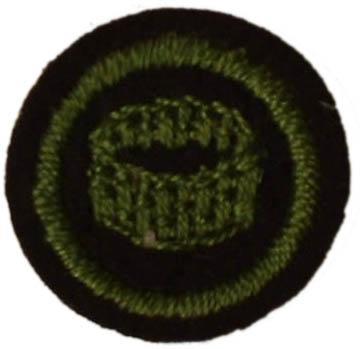
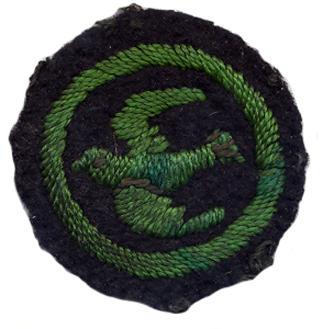


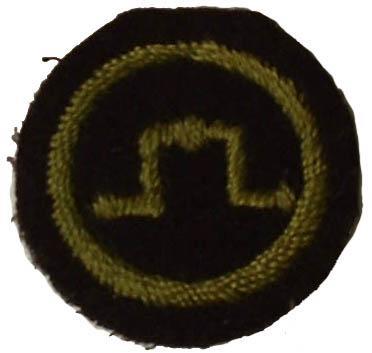
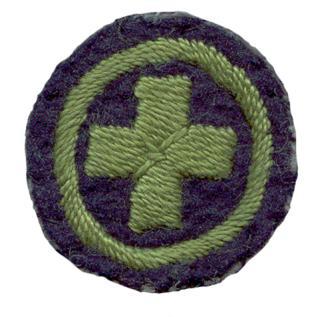
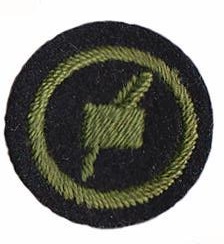




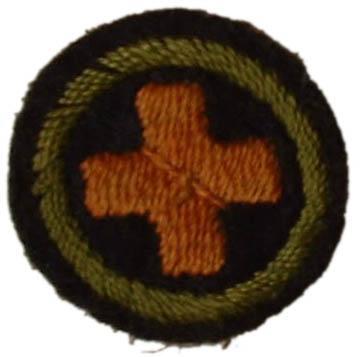
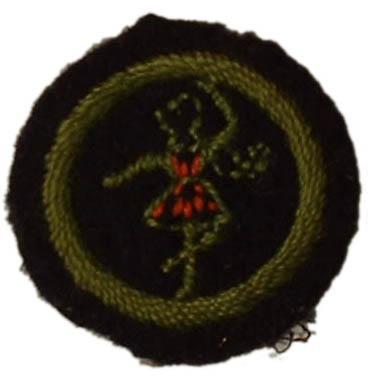

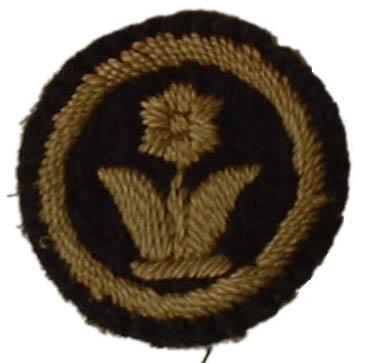

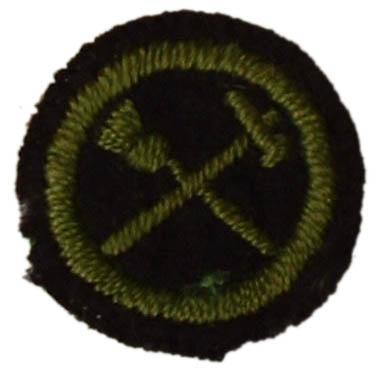


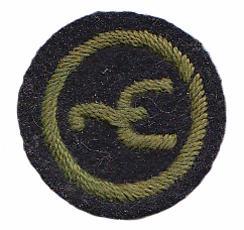


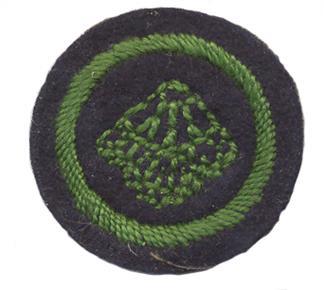

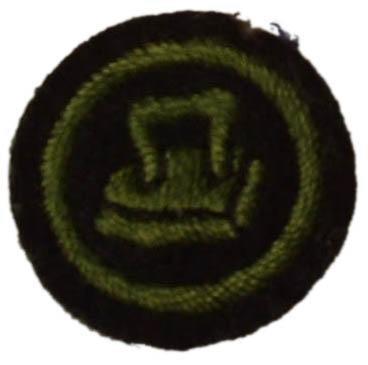

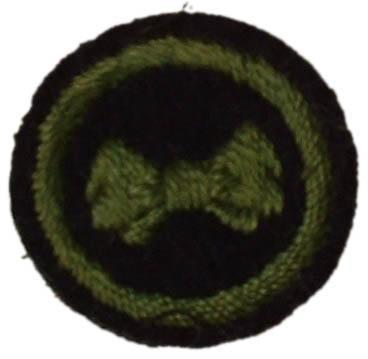

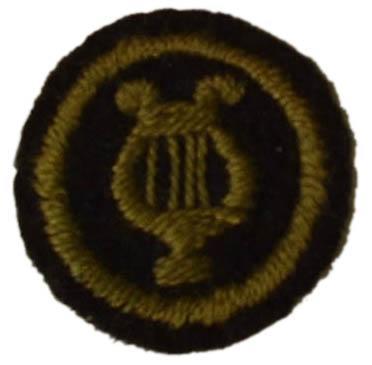

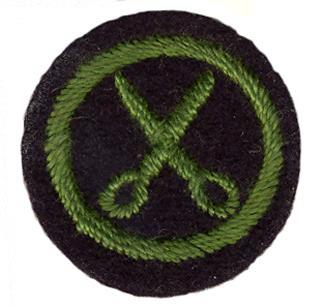
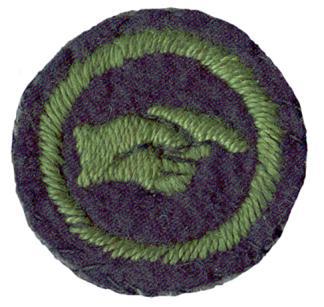
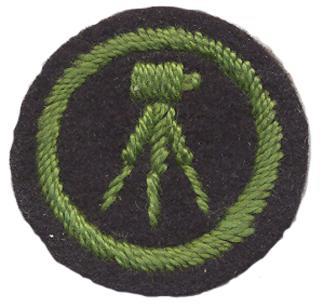

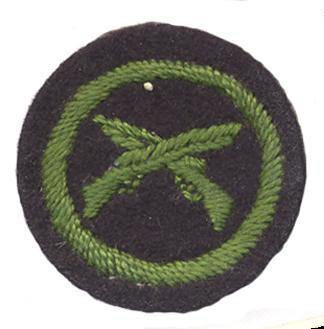


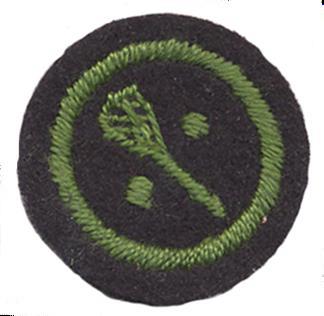


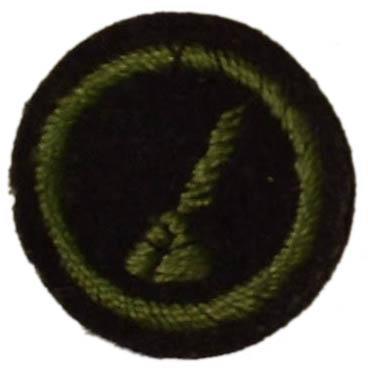
During this era, Guiding in the Irish Free State started to separate from UK Guiding, but this was a gradual process. As a result, although a range of Proficiency Badges related to Irish culture were introduced, with the syllabuses appearing in UK badge books, these were only issued within the Irish Free State. They were:
Gaelic, Irish Art, Irish Cooking, Irish Dancing, Irish History, Irish Language, Irish Legend, Irish Music.
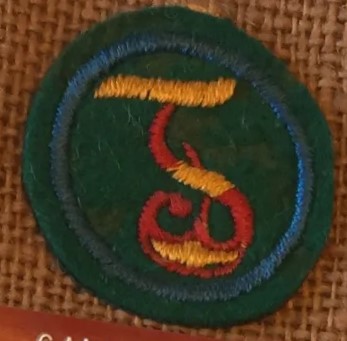


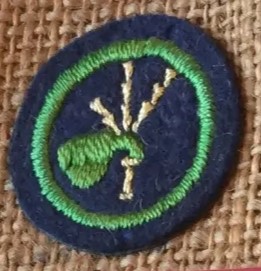
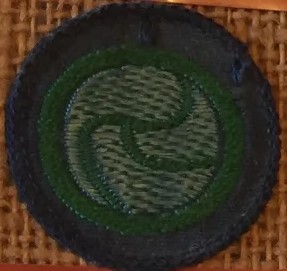
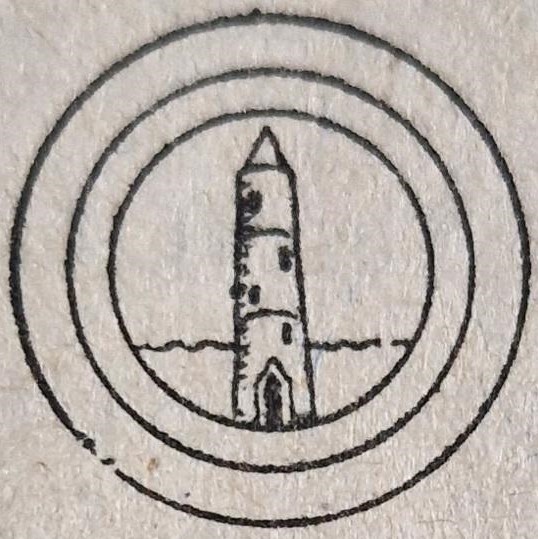
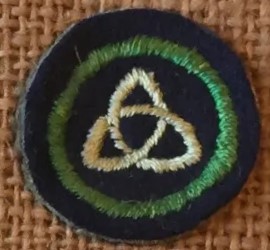
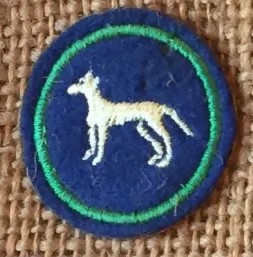

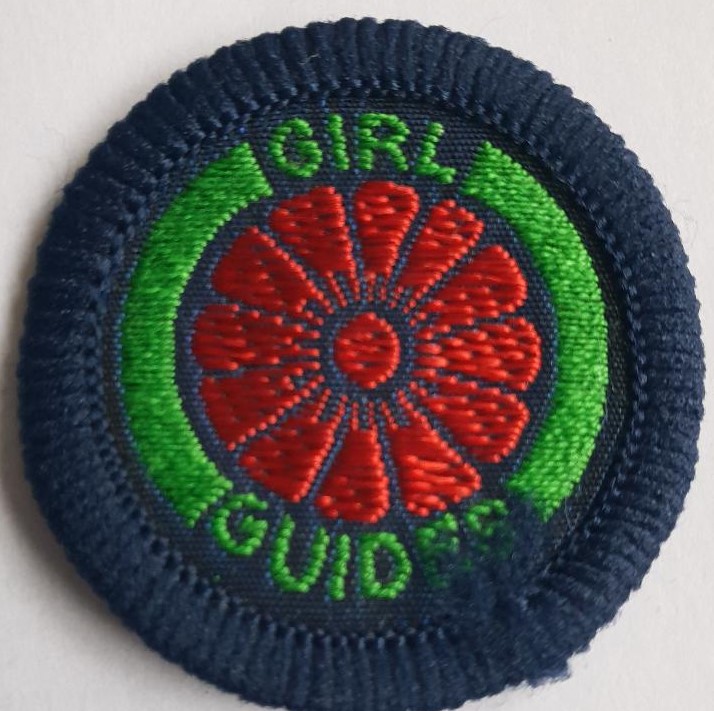
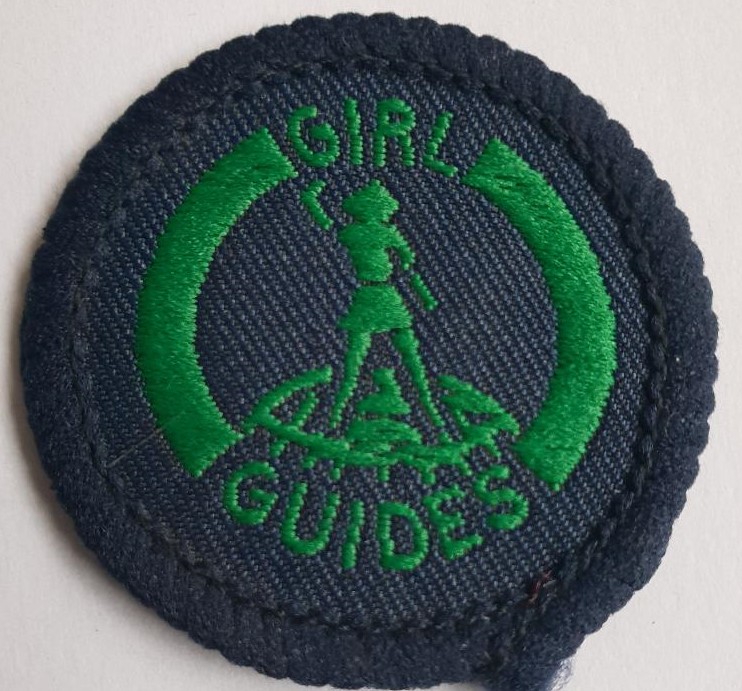
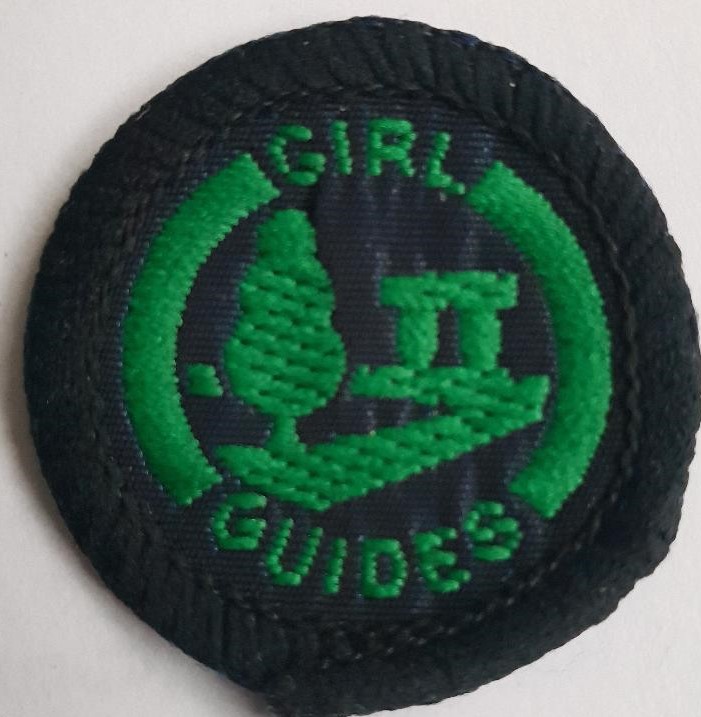
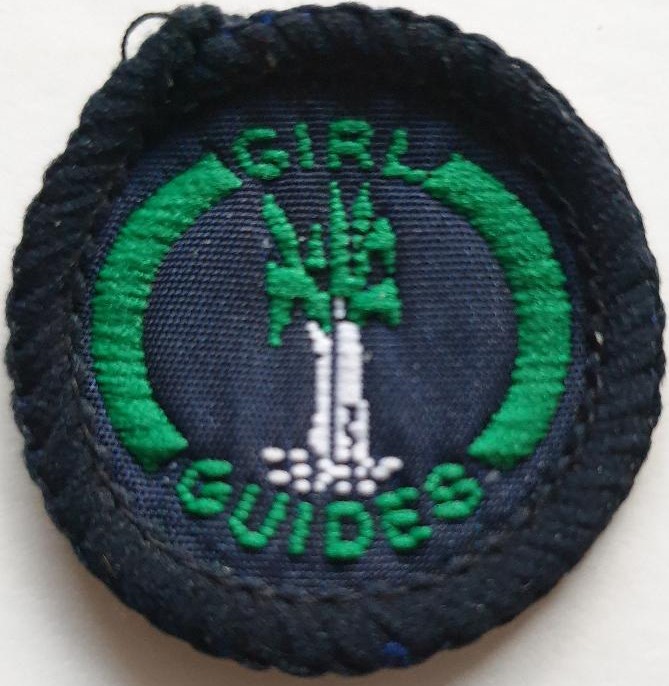
In the mid-1930s the badges moved from being on a felt-like fabric to being woven – initially these were supplied unbound, but soon they were produced in a bound format. In the early 1960s Guide uniforms changed from being long-sleeved to a 3/4 sleeve. It was then found that Guides were struggling to fit all of their proficiency badges effectively onto the sleeves, so the size of the badges was reduced to enable more to be fitted in, this size was retained until 2000, but there were minor variations in size over the era.
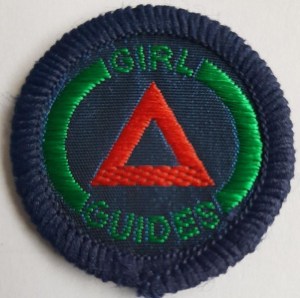
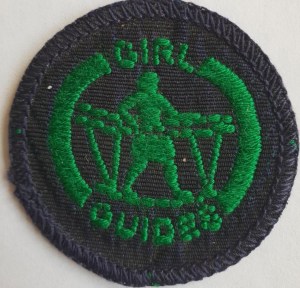


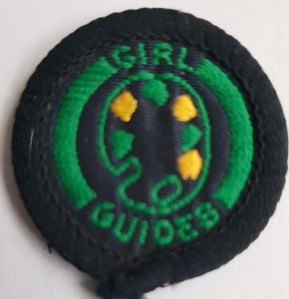

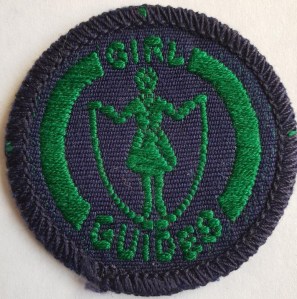
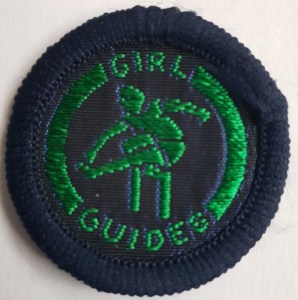


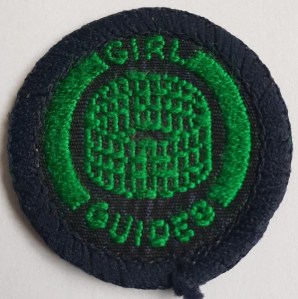


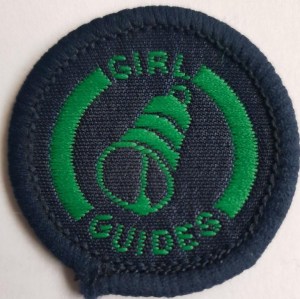

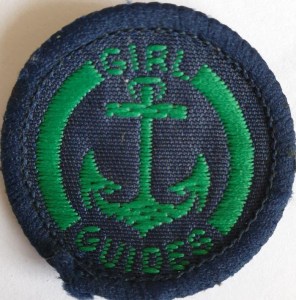
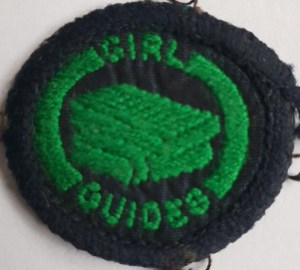


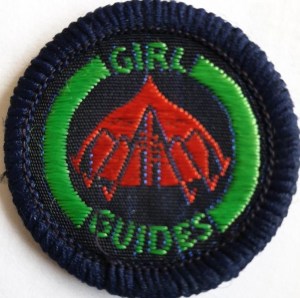


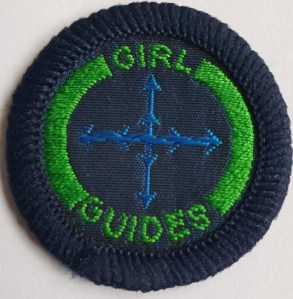
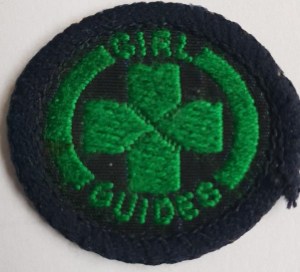
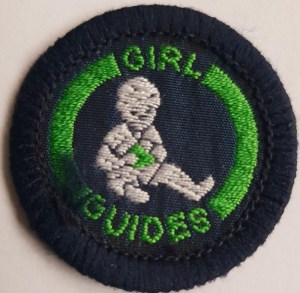
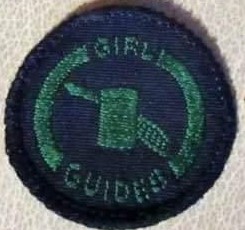


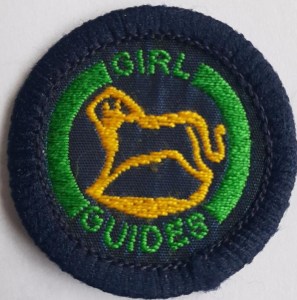
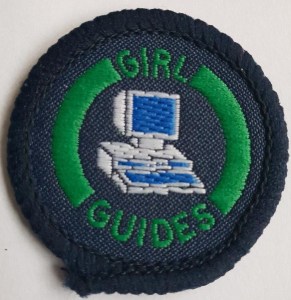
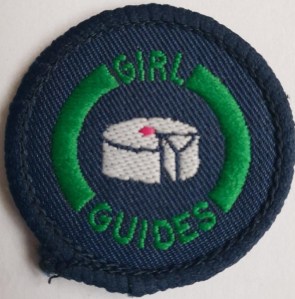

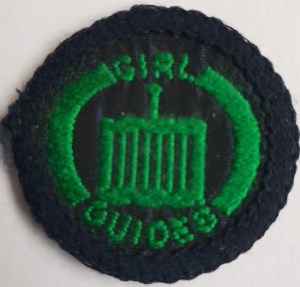
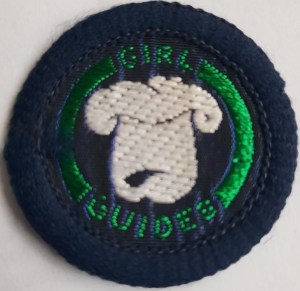


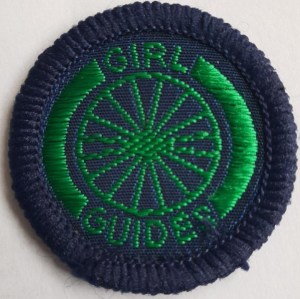
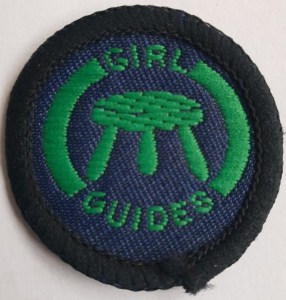
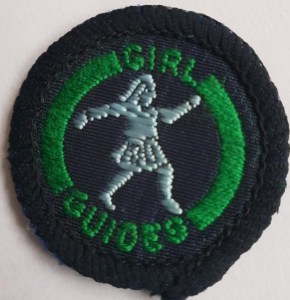
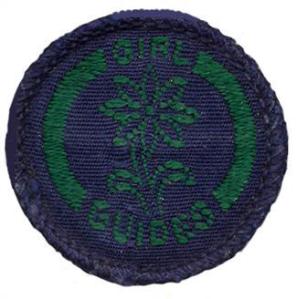
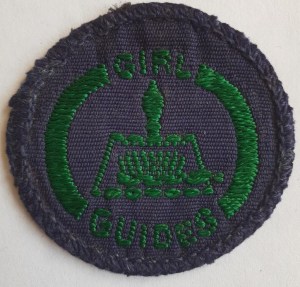
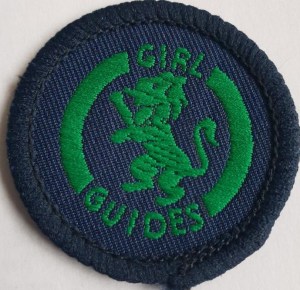
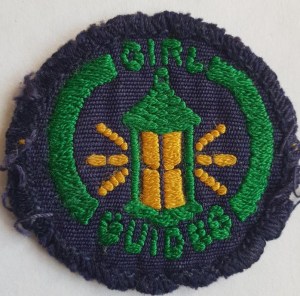


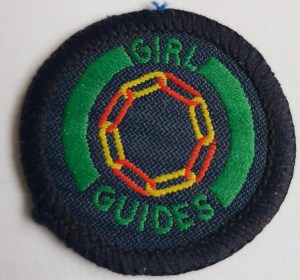
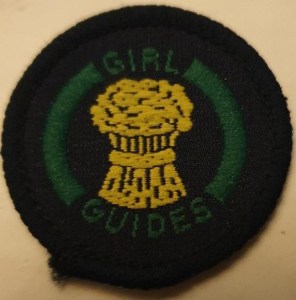


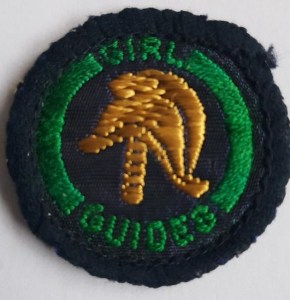
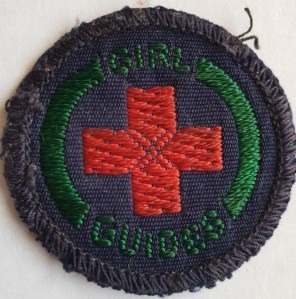


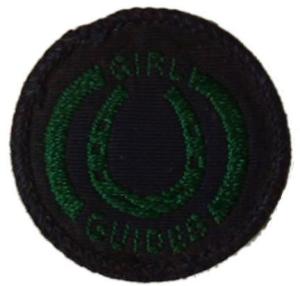


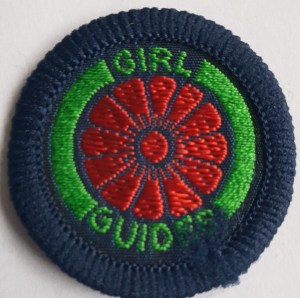


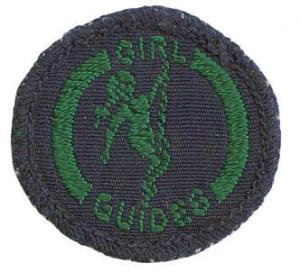
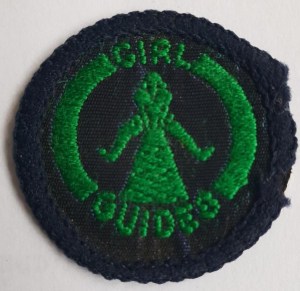

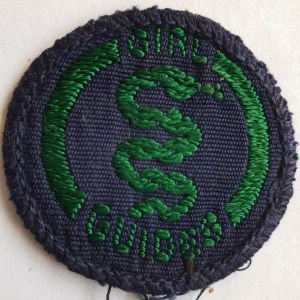


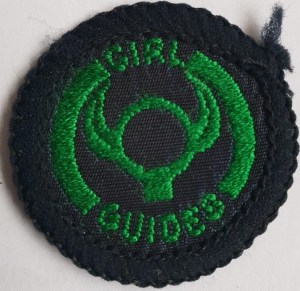
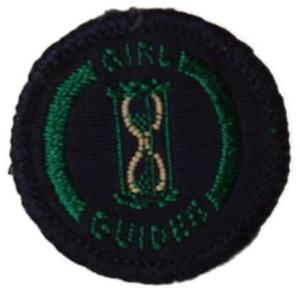

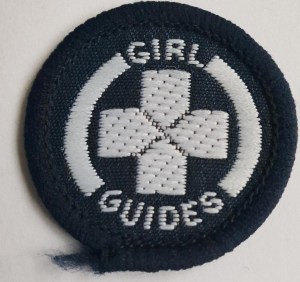

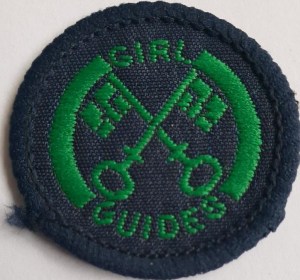

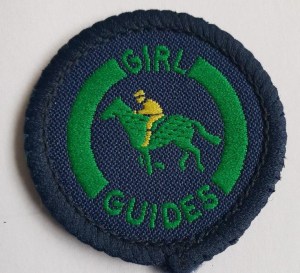

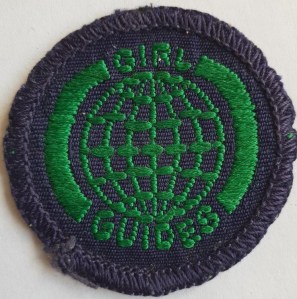
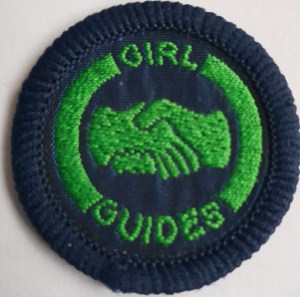


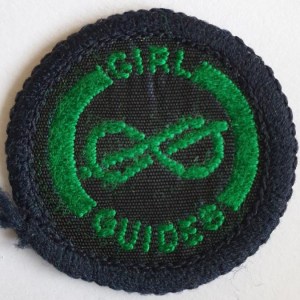

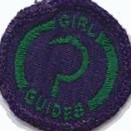

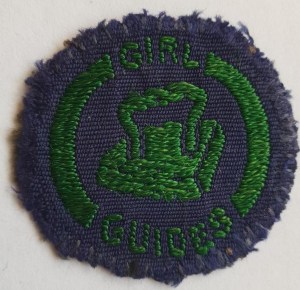
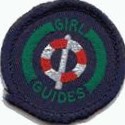

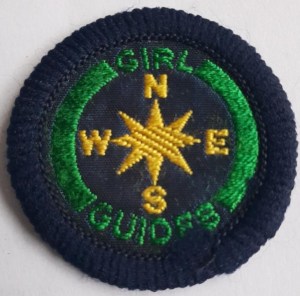


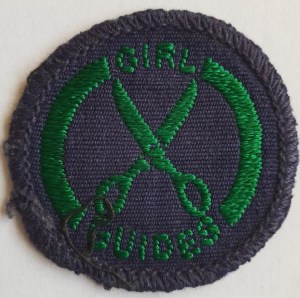
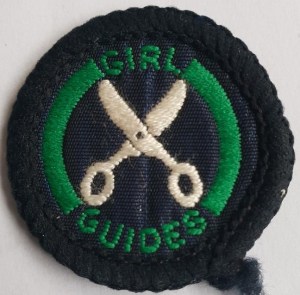
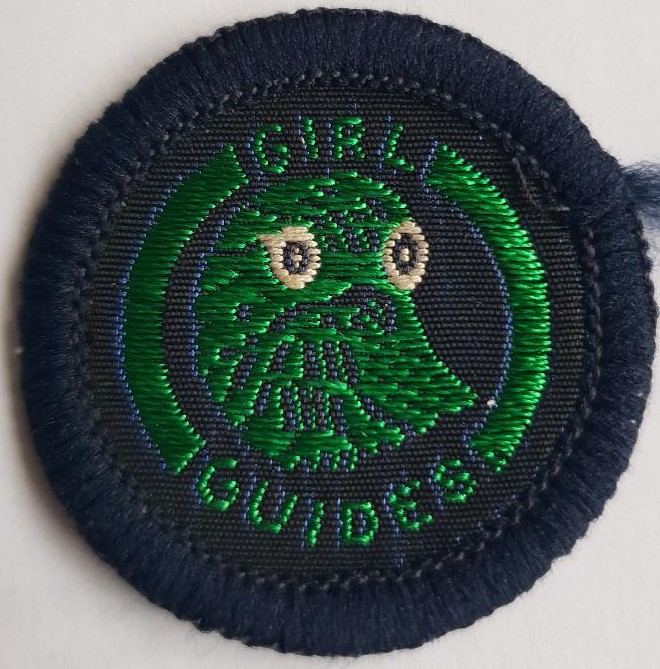
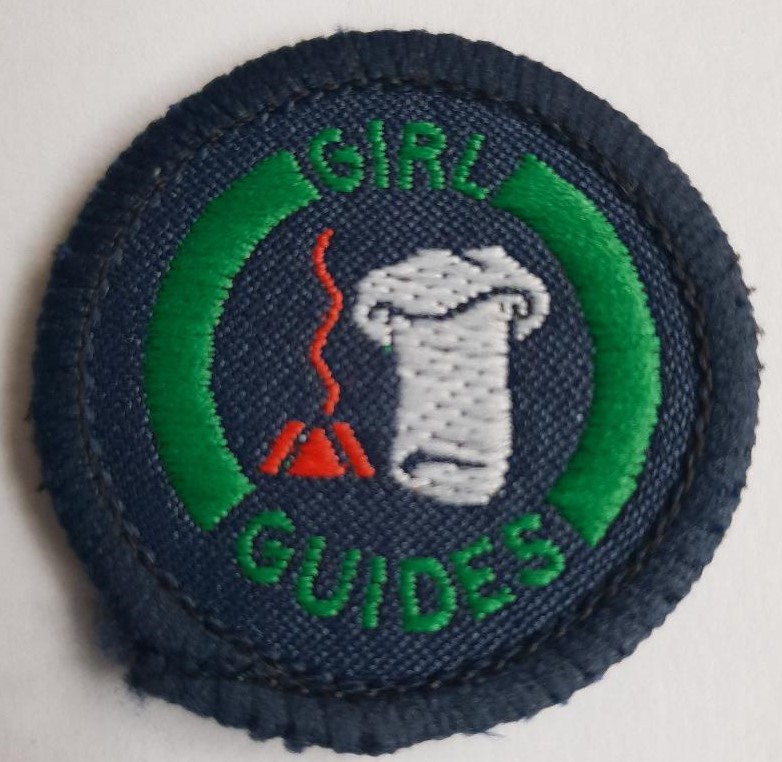

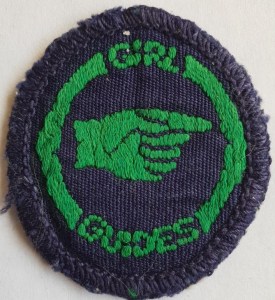




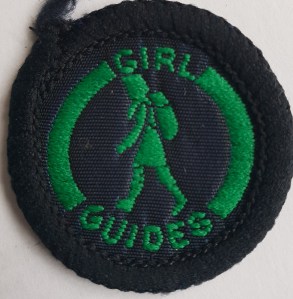
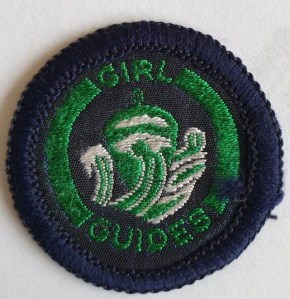

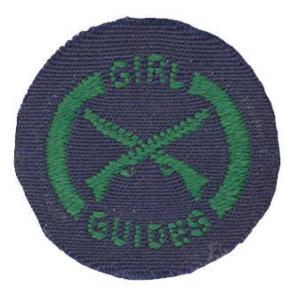
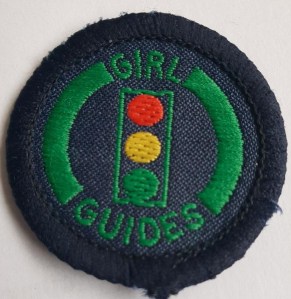
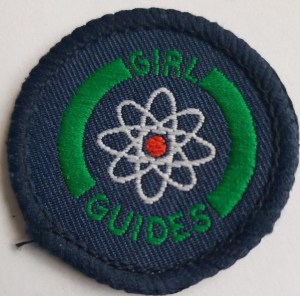

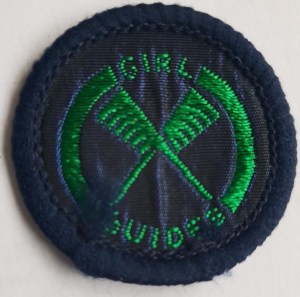
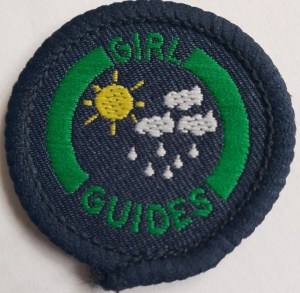
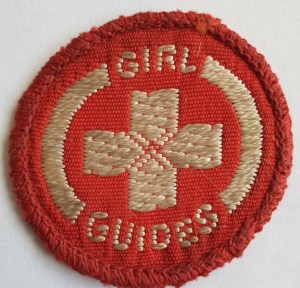
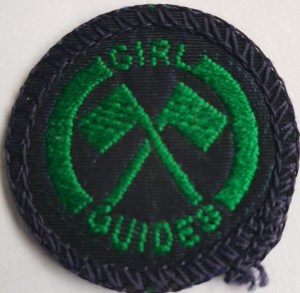


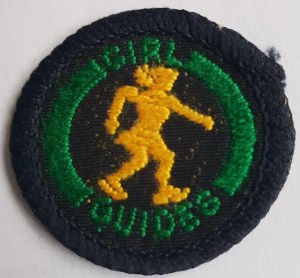

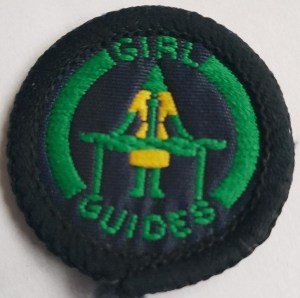

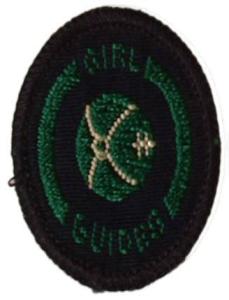
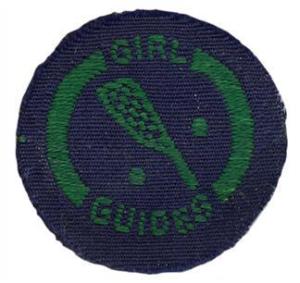
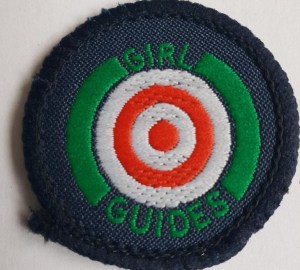

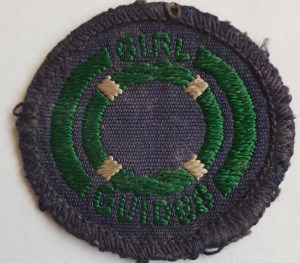


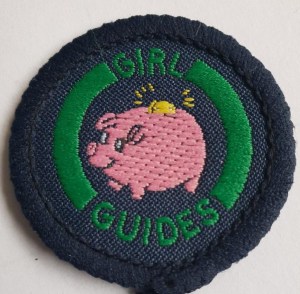

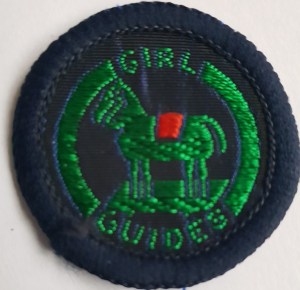


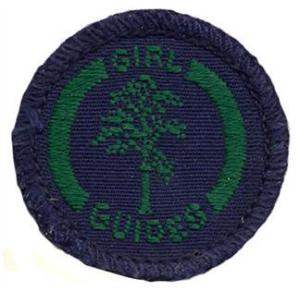

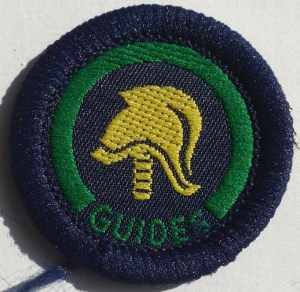
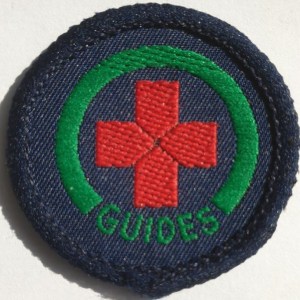
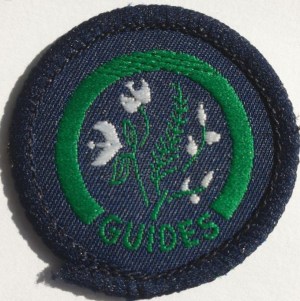
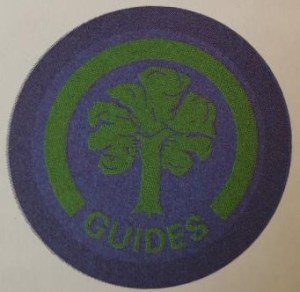
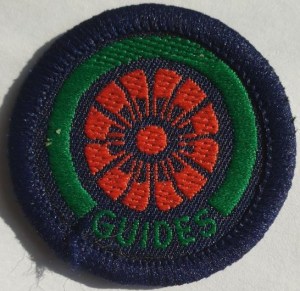
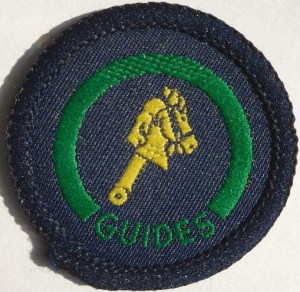
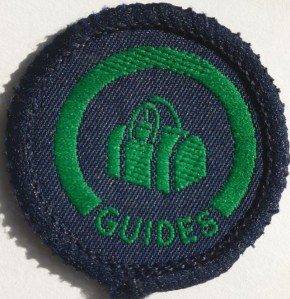
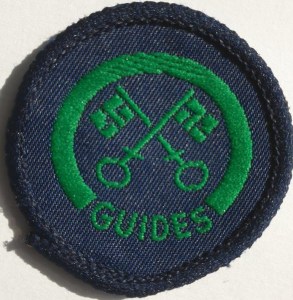
In the mid-1990s, the Girl Guides Association became The Guide Association, reflecting that Guiding was for adults as well as for girls. As a result, the interest badges changed from being marked “Girl Guides” to simply being marked “Guides”.
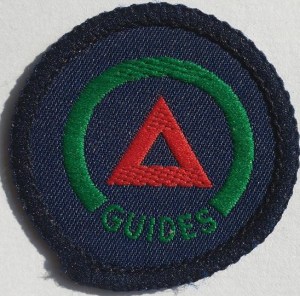





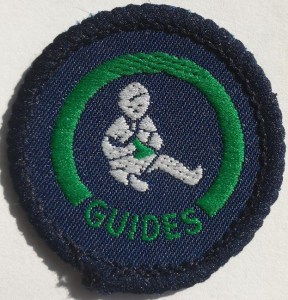
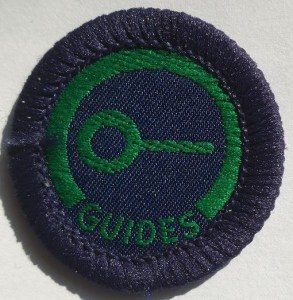


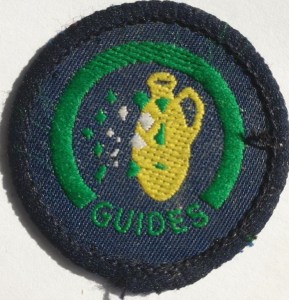

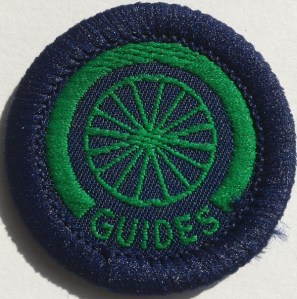
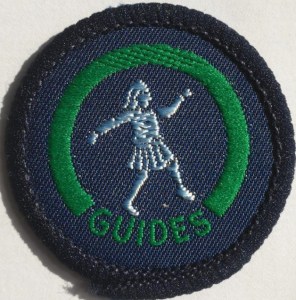


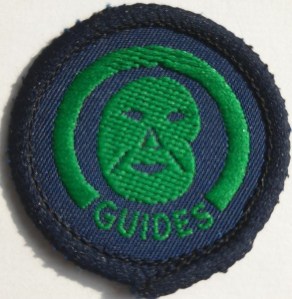























The Guide programme changed again in 2000, with a new programme introduced. With it, all the previous interest badges were dropped, and a complete new range was introduced. Where the previous badges (except Quest) had been round, now the badges were in a range of random shapes and colours. As well as an initial range, new badges were introduced gradually alongside “Go For It” packs, on the assumption that after spending 4 meetings working on a GFI pack the Guide might have become so keen on the topic as to want to take it further by tackling an interest badge on the same subject. This tended not to be the case.





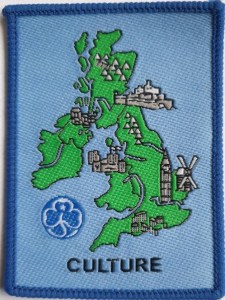

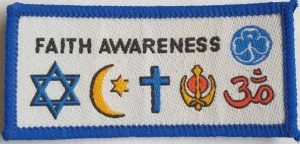
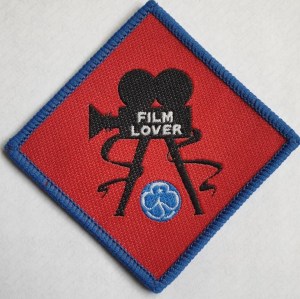
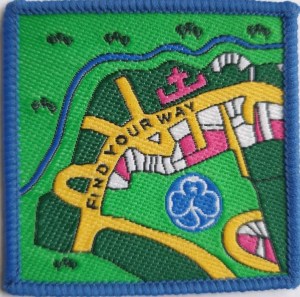




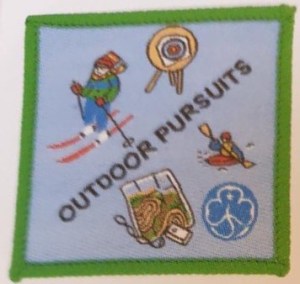

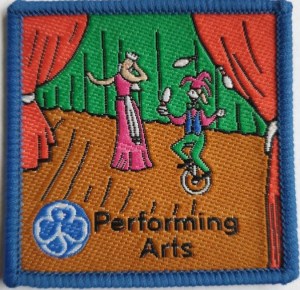


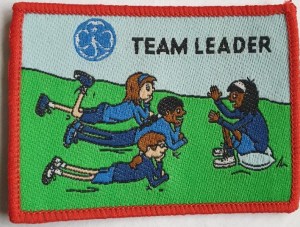
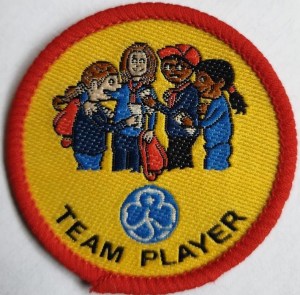
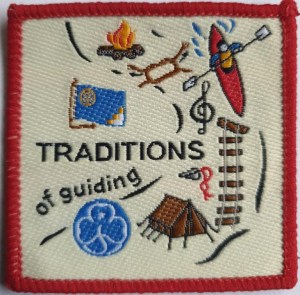


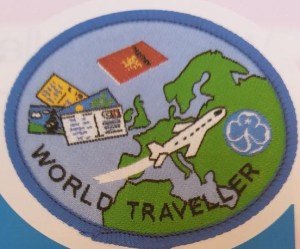
A few years later, Guiding updated the design of the Promise Badge, so the badges were re-issued with the new trefoil.
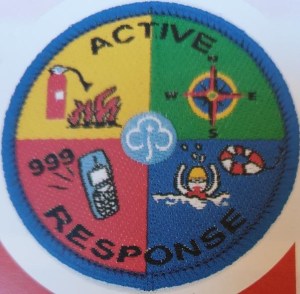
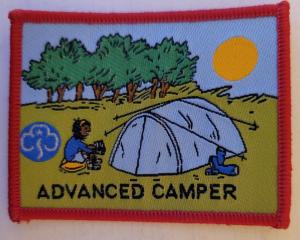
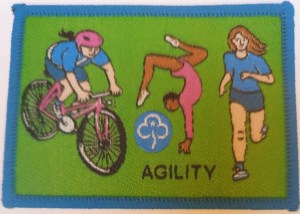
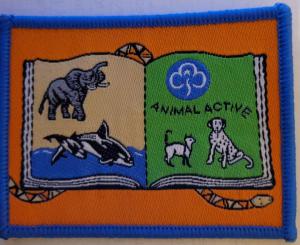

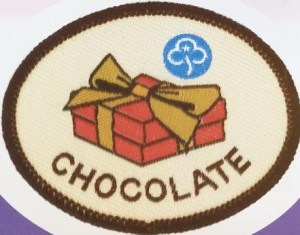

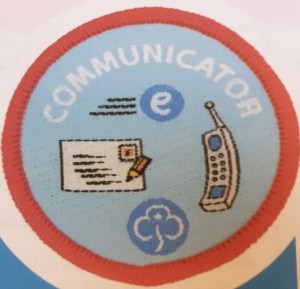









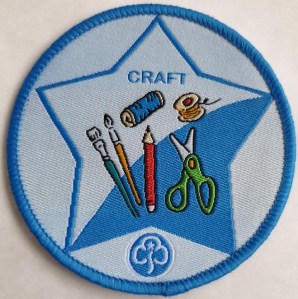
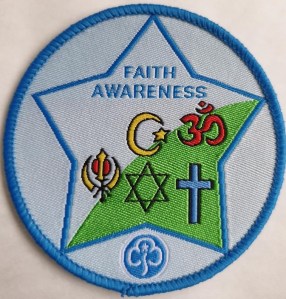
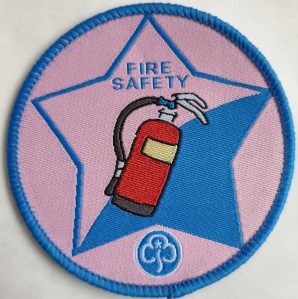
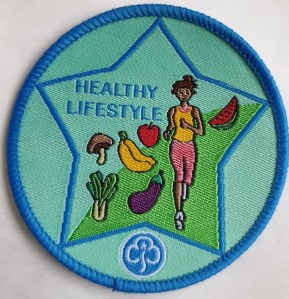
In 2013, new designs for the interest badges were introduced, (no new ones were added to the range), the change resulted in a return to having a uniform size and shape of badge, featuring the badge’s name and logo within a star shape (resembling the shape of the new-style Guide Challenge Badges), with a range of different pastel-shaded background colours (though as before, there wasn’t any significance to the colour schemes of each badge).

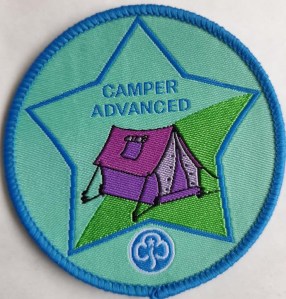
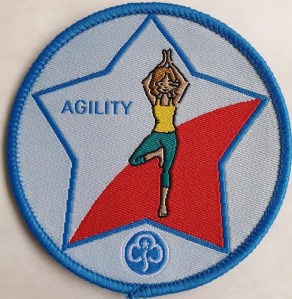


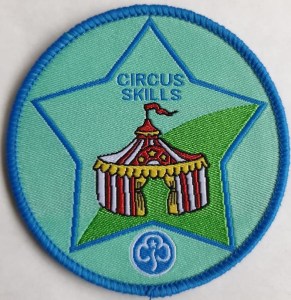
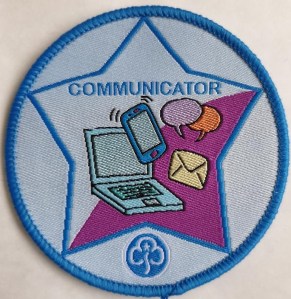


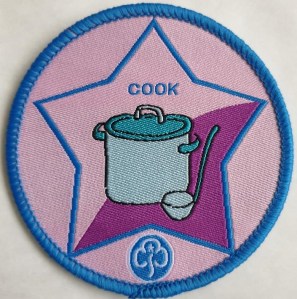




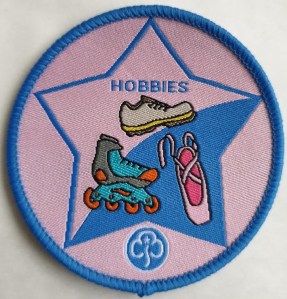

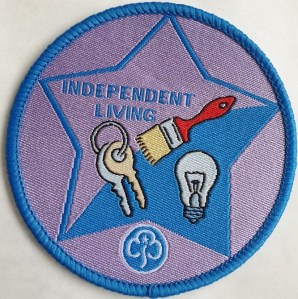


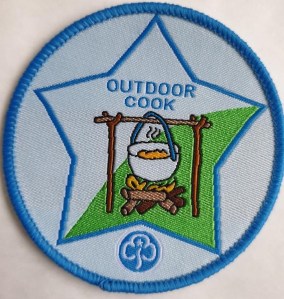
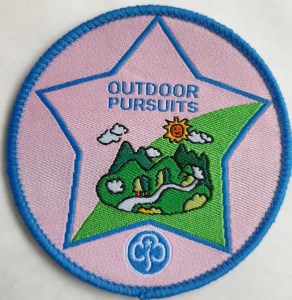
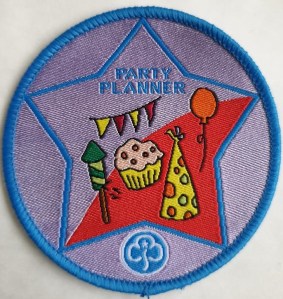
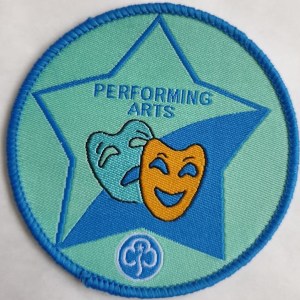


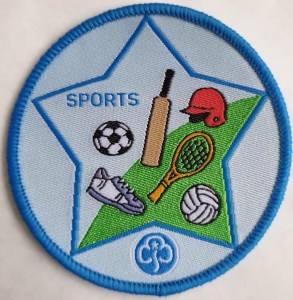
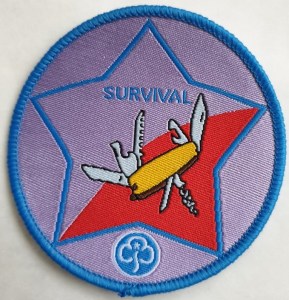
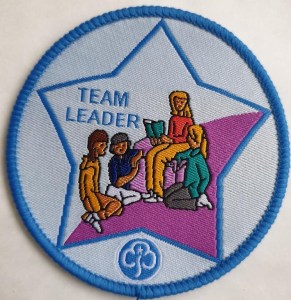
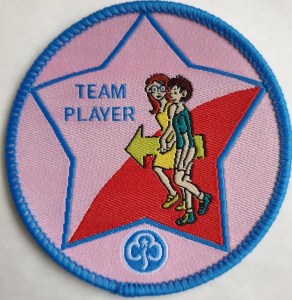
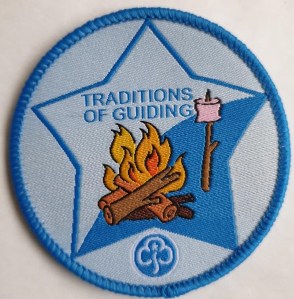


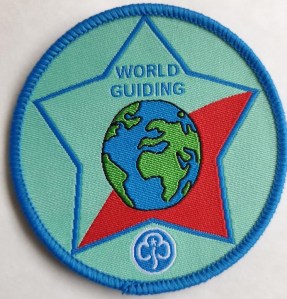


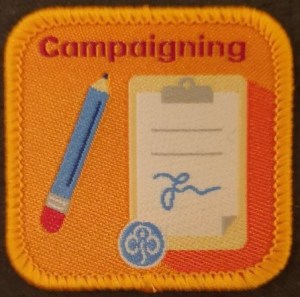
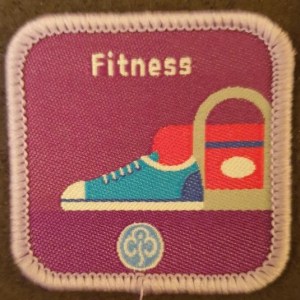
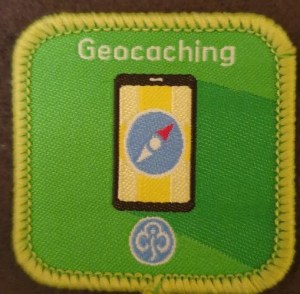
In July 2018 a new Guide Programme was launched, with a 1-year transition period, which brought the previous badges to an end, and saw a whole new selection of Interest Badges again. Colour-coded to match the programme themes, these are strictly for the Guides to work on at home:




In summer 2025 a new range of Guide interest badges was introduced to add to the existing selection. These were in a new design, with a background colour of Guide blue, and only the edges in theme colour. The new badges were: Artist, Athlete, Biodiversity, Bookworm, Clean Planet, Codebreaking, Day Tripper, Engineering, Entertainer, Entomology, Food Critic, Friendship, Happy Habits, Healthy Sleep, Historian, Interior Designer, Journaling, Music, My Views, Overnight, Personal Best, Pioneering, Stitcher, and Thrift.
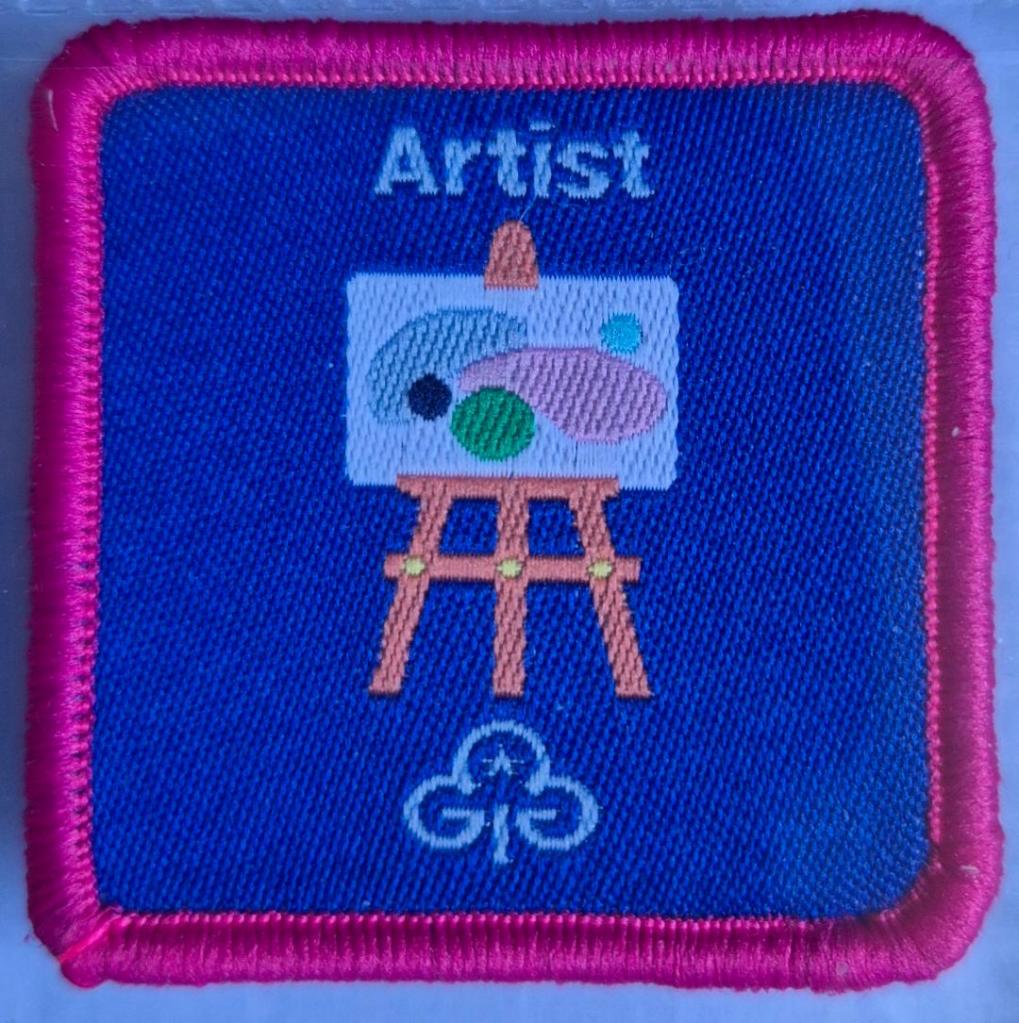
Guide Artist Badge 2025 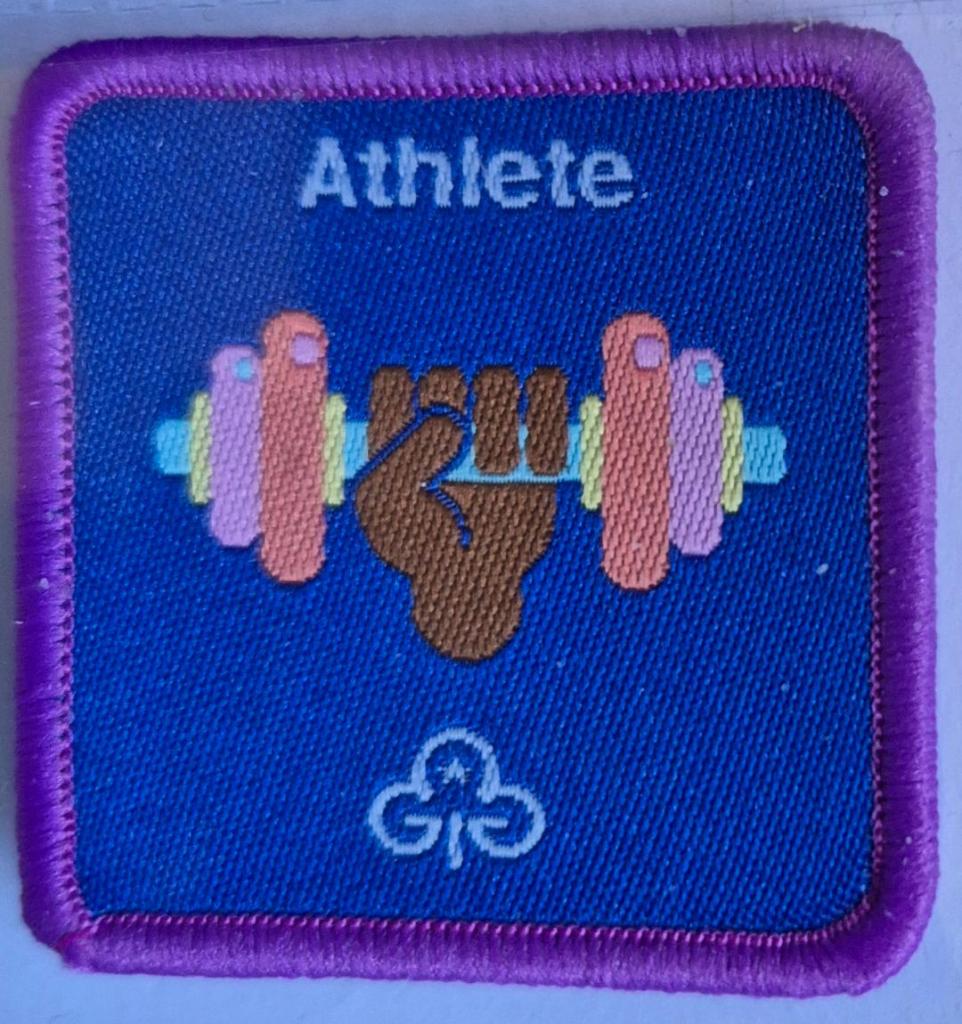
Guide Athlete badge 2025 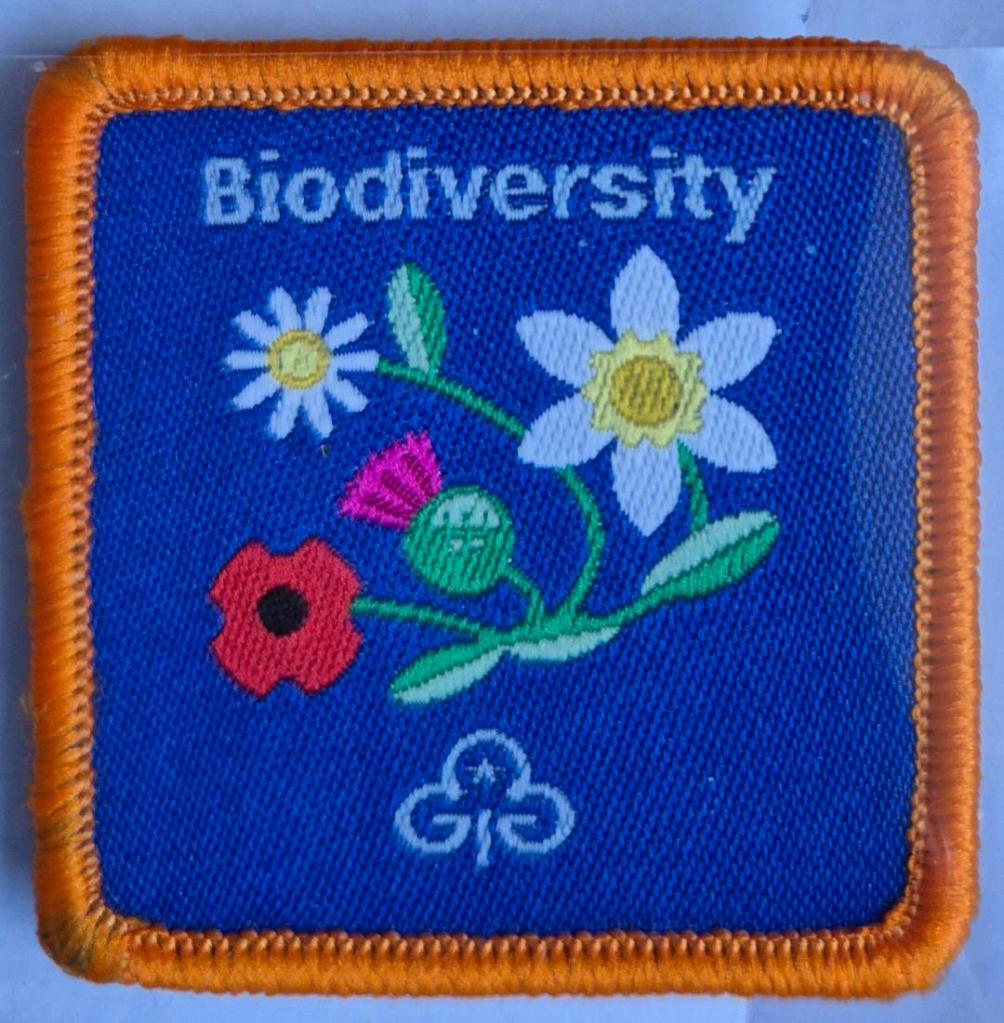
Guide Biodiversity badge 2025 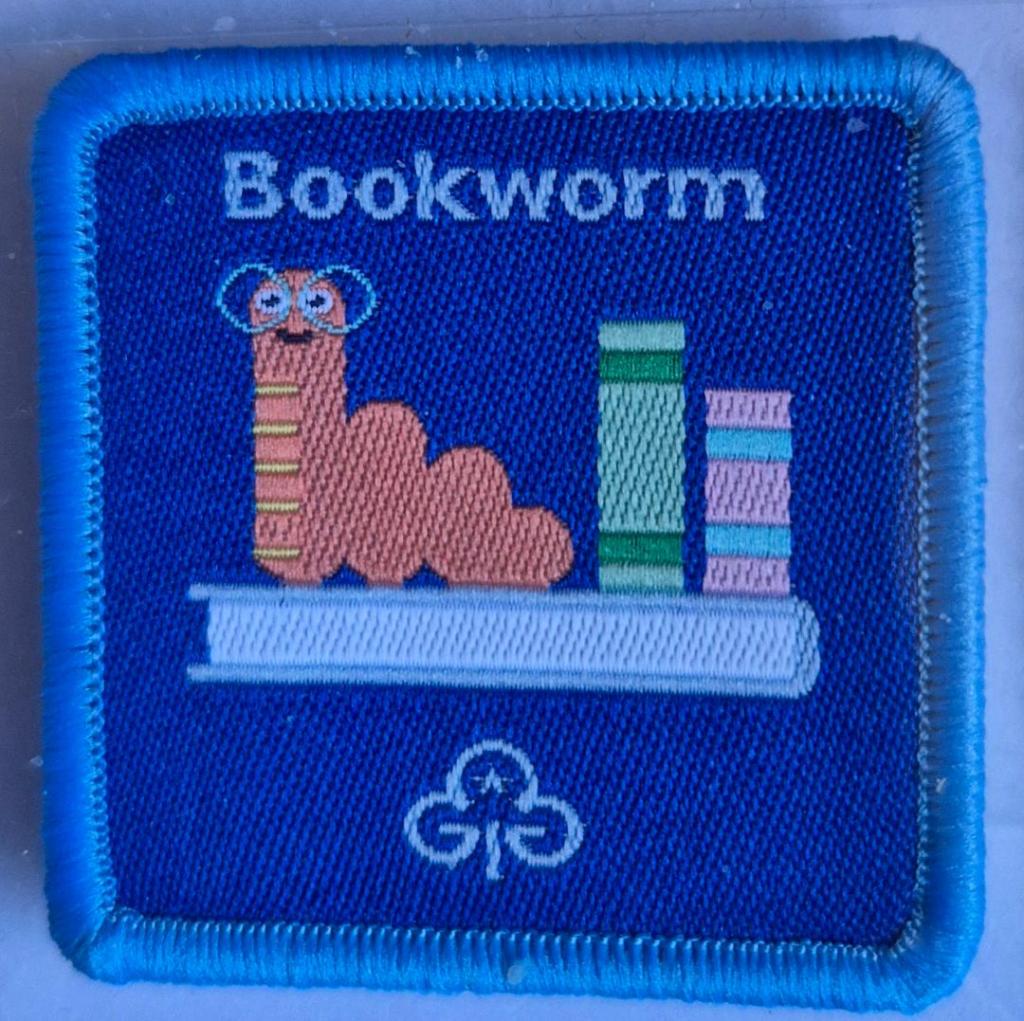
Guide Bookworm book 2025 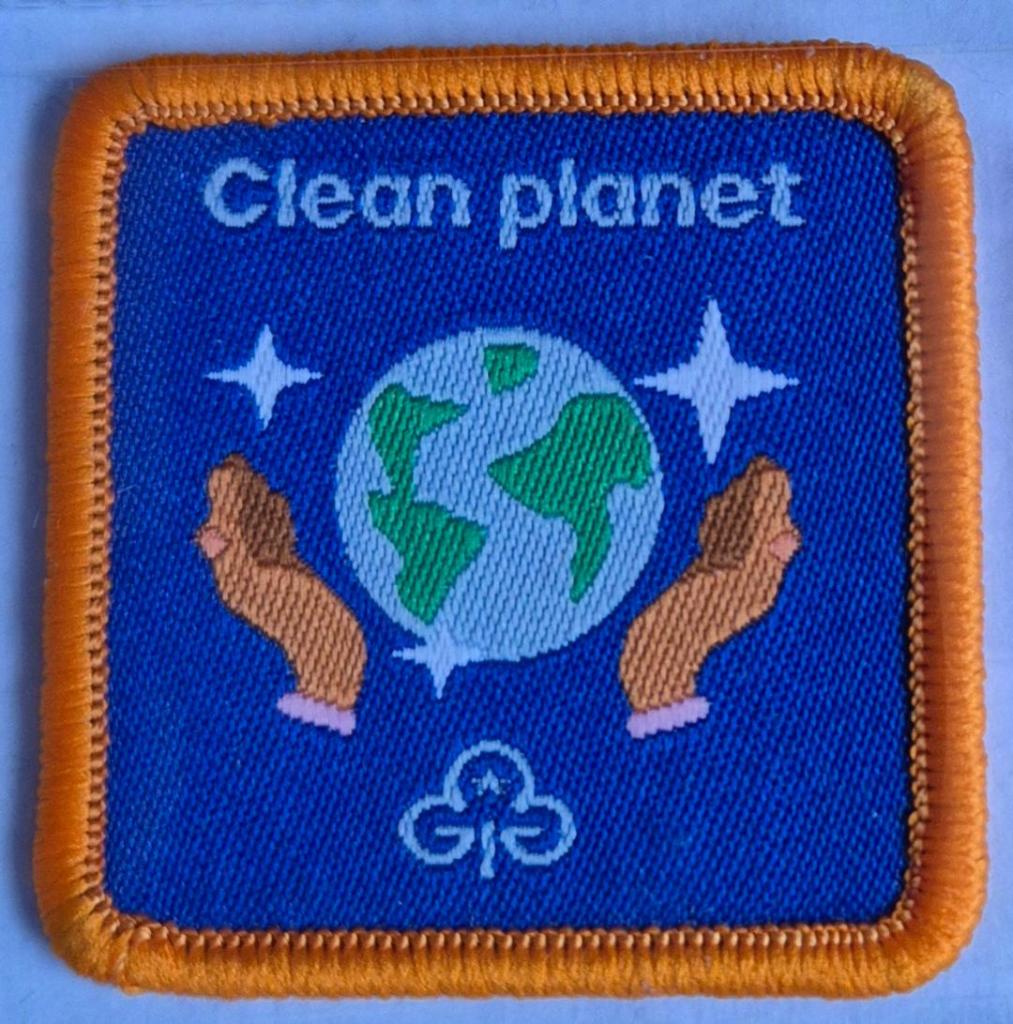
Guide Clean Planet badge 2025 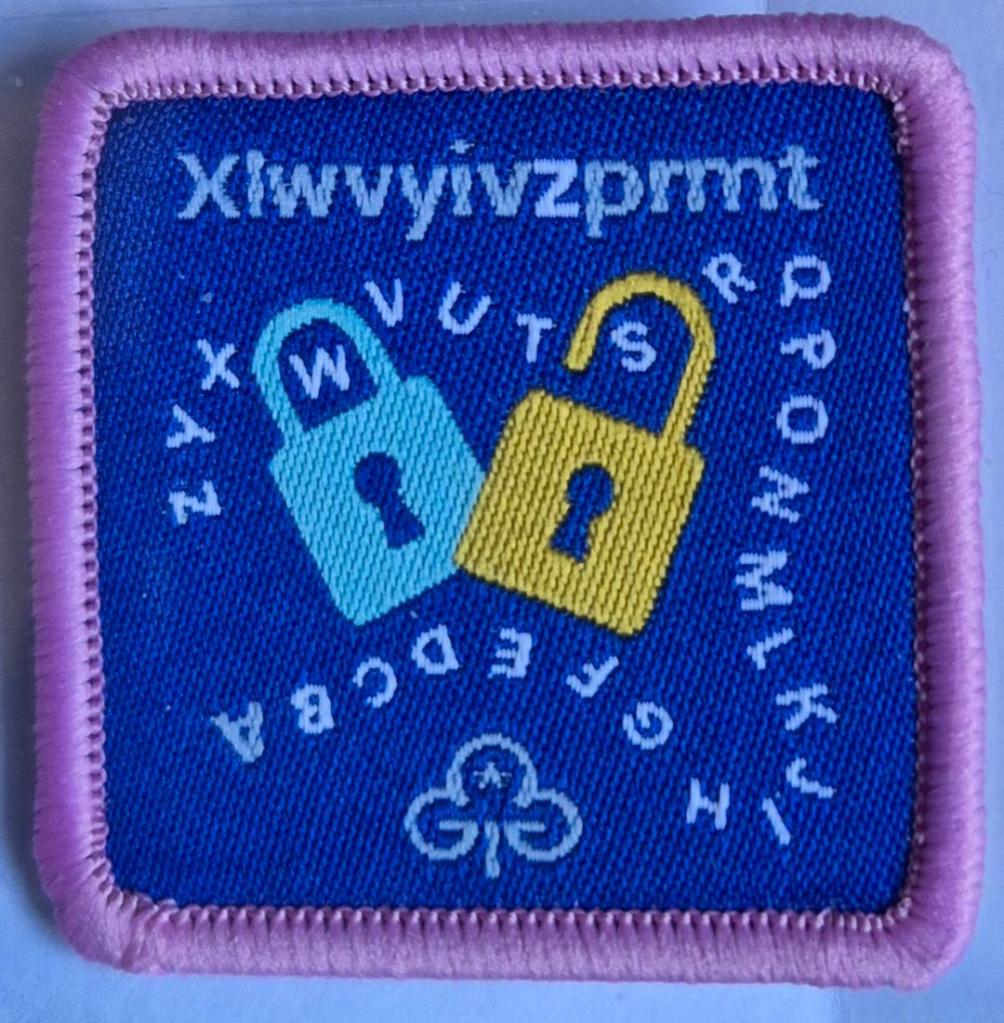
Guide Codebreaking badge 2025 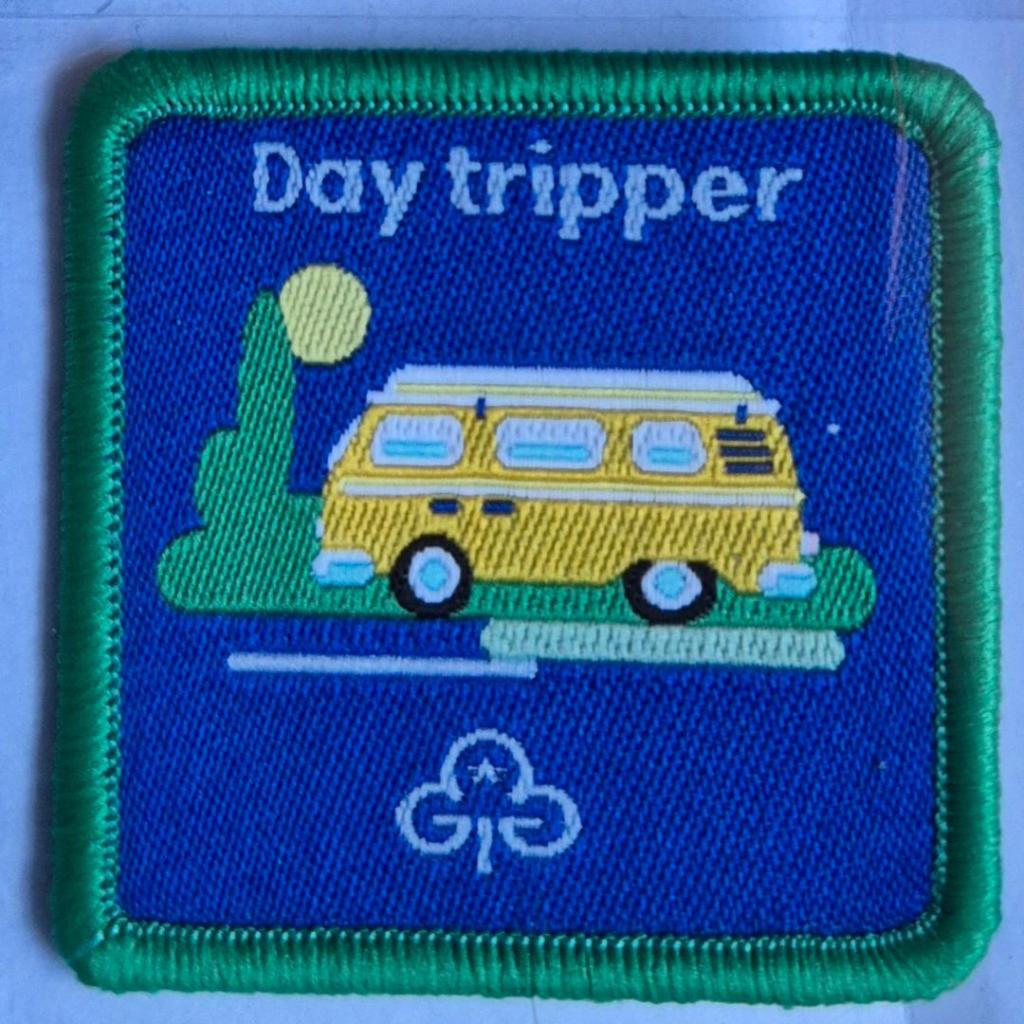
Guide Day Tripper badge 2025 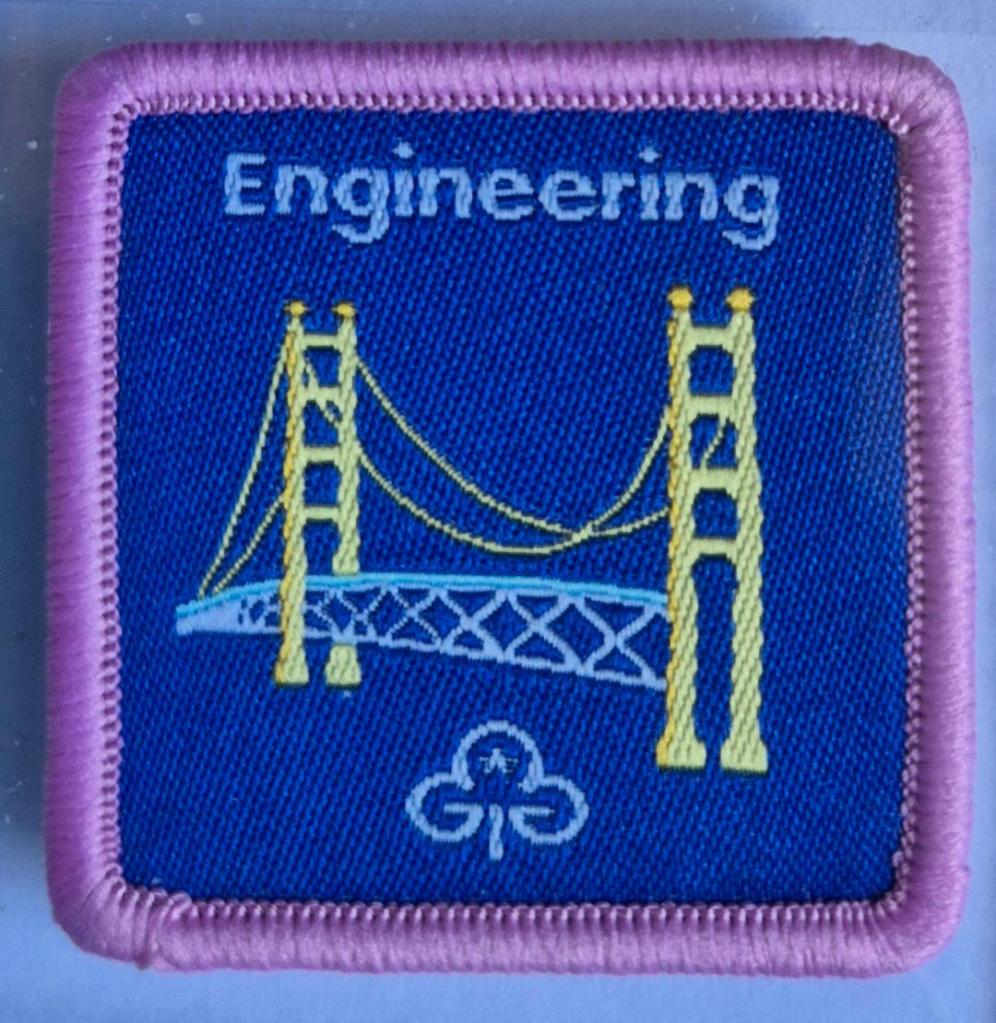
Guide Engineering badge 2025 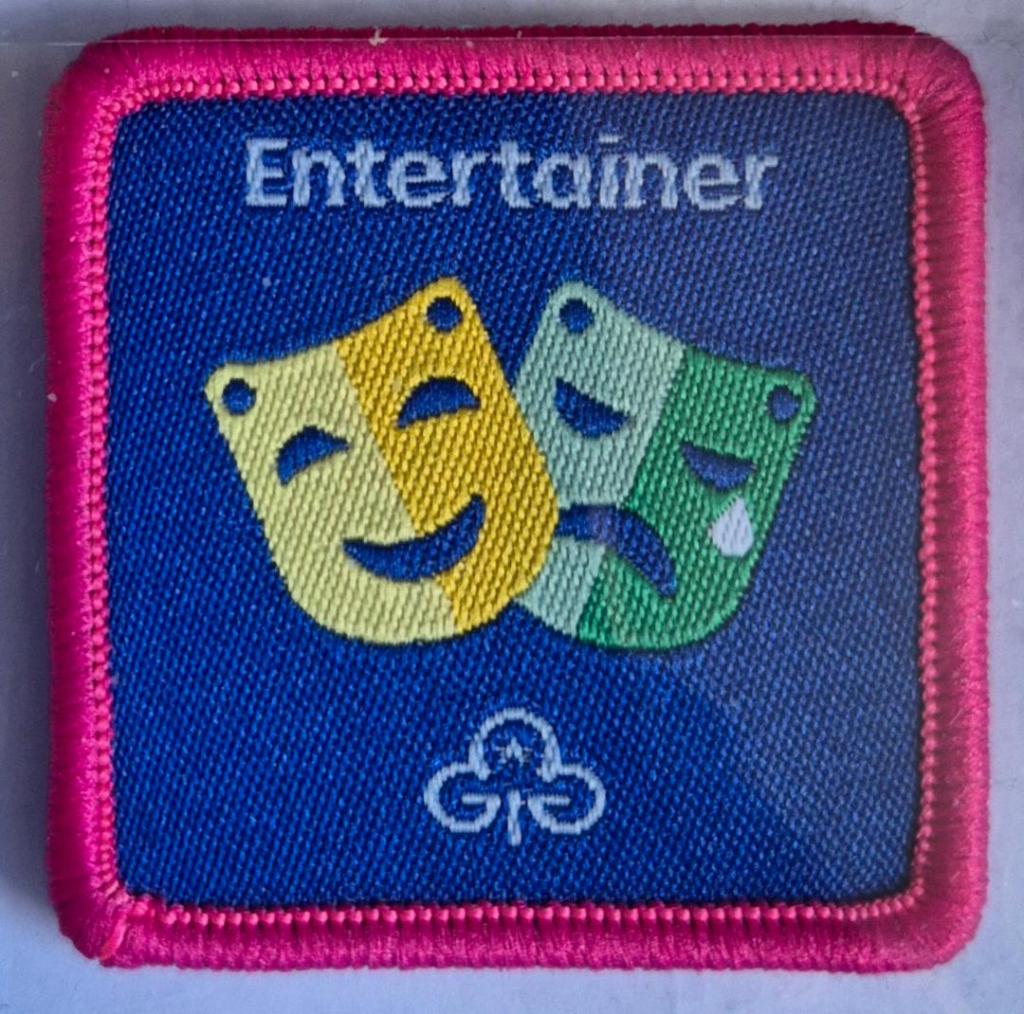
Guide Entertainer badge 2025 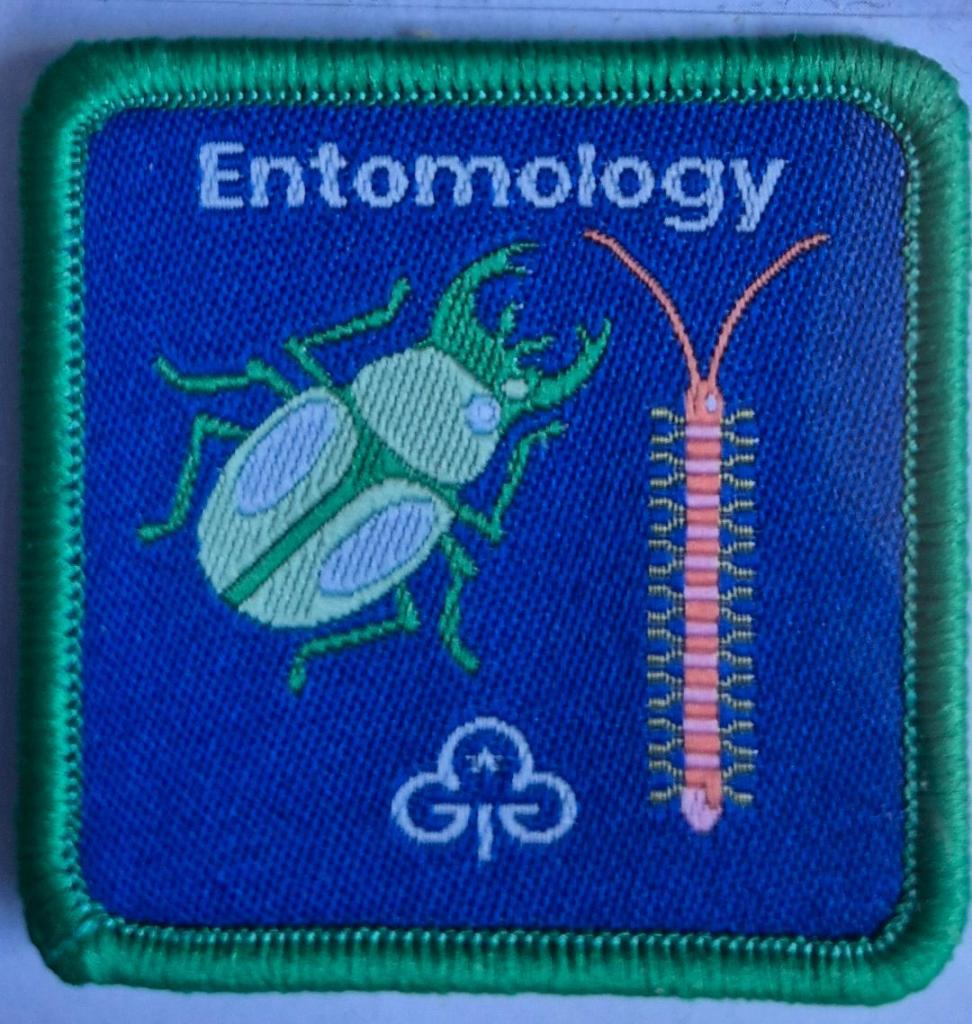
Guide Entomology badge 2025 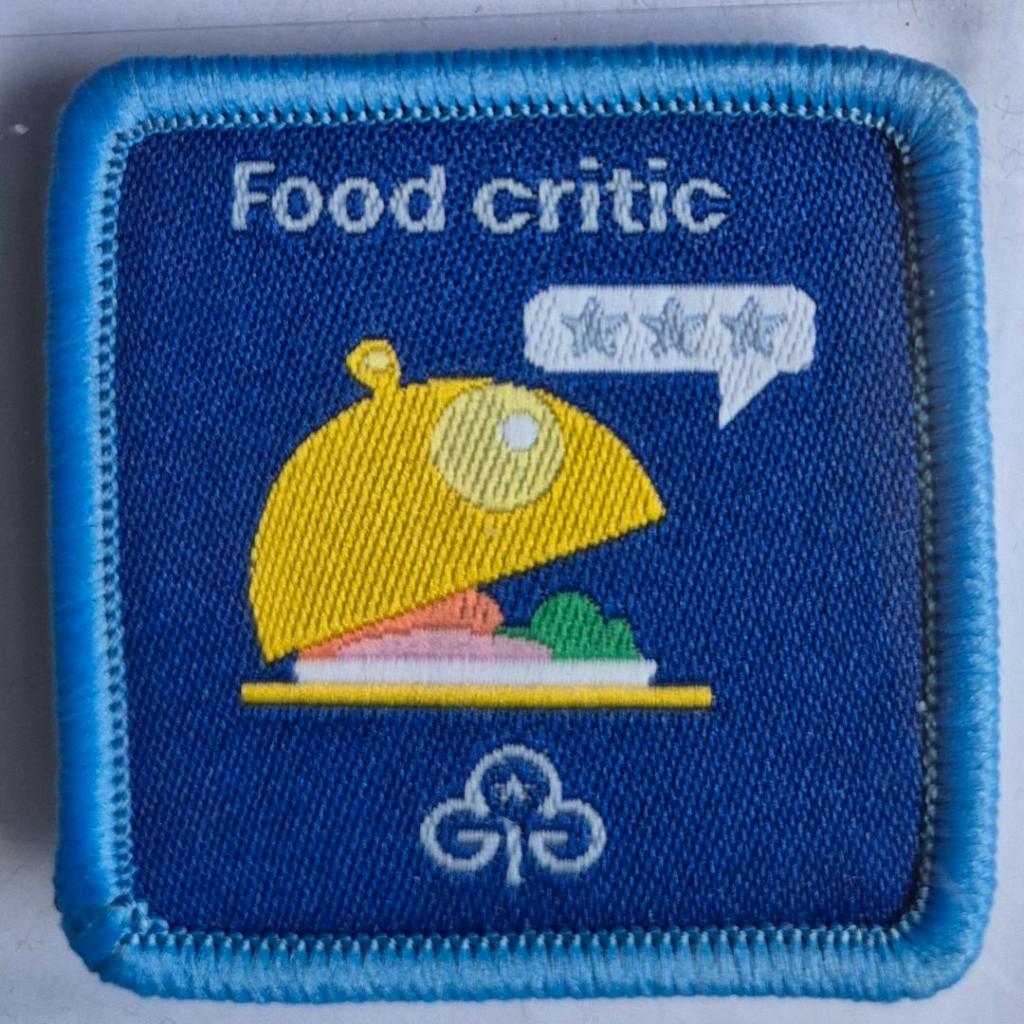
Guide Food Critic badge 2025. 
Guide Friendship badge 2025 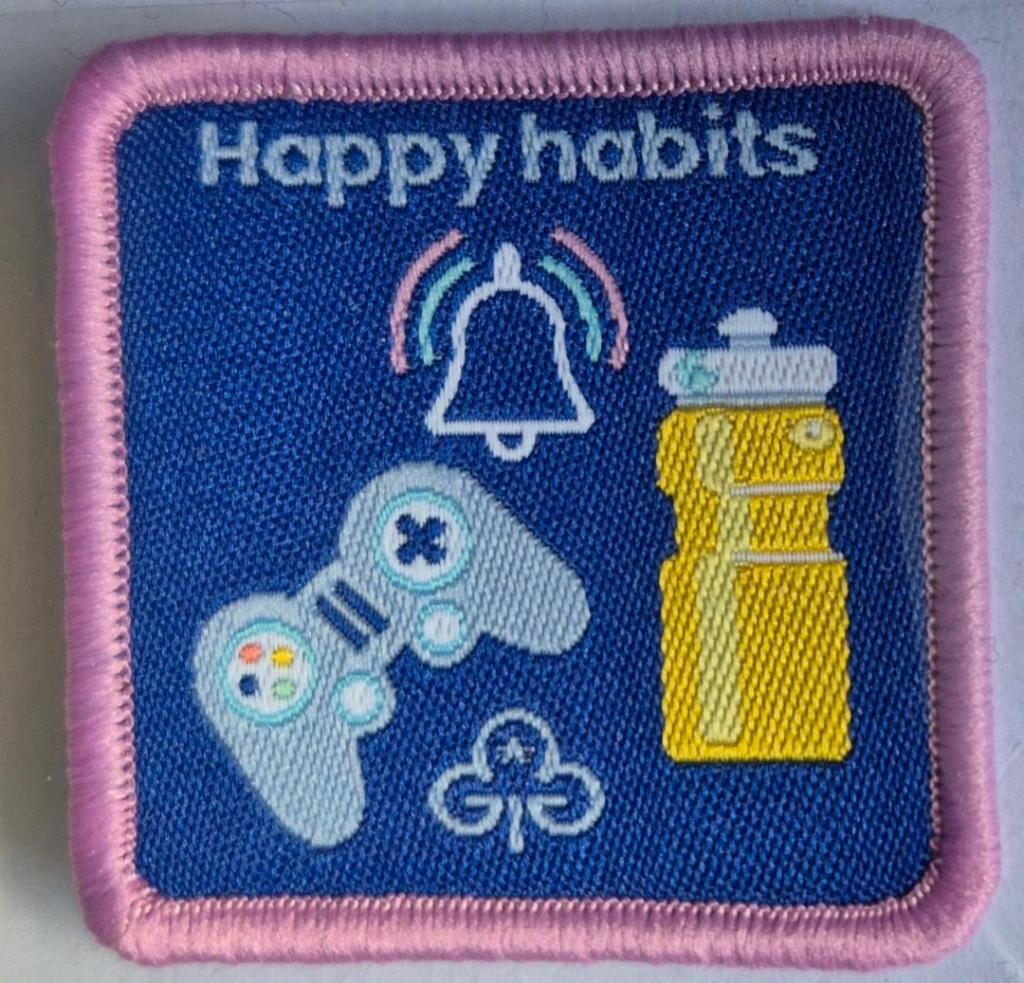
Guide Happy Habits badge 2025 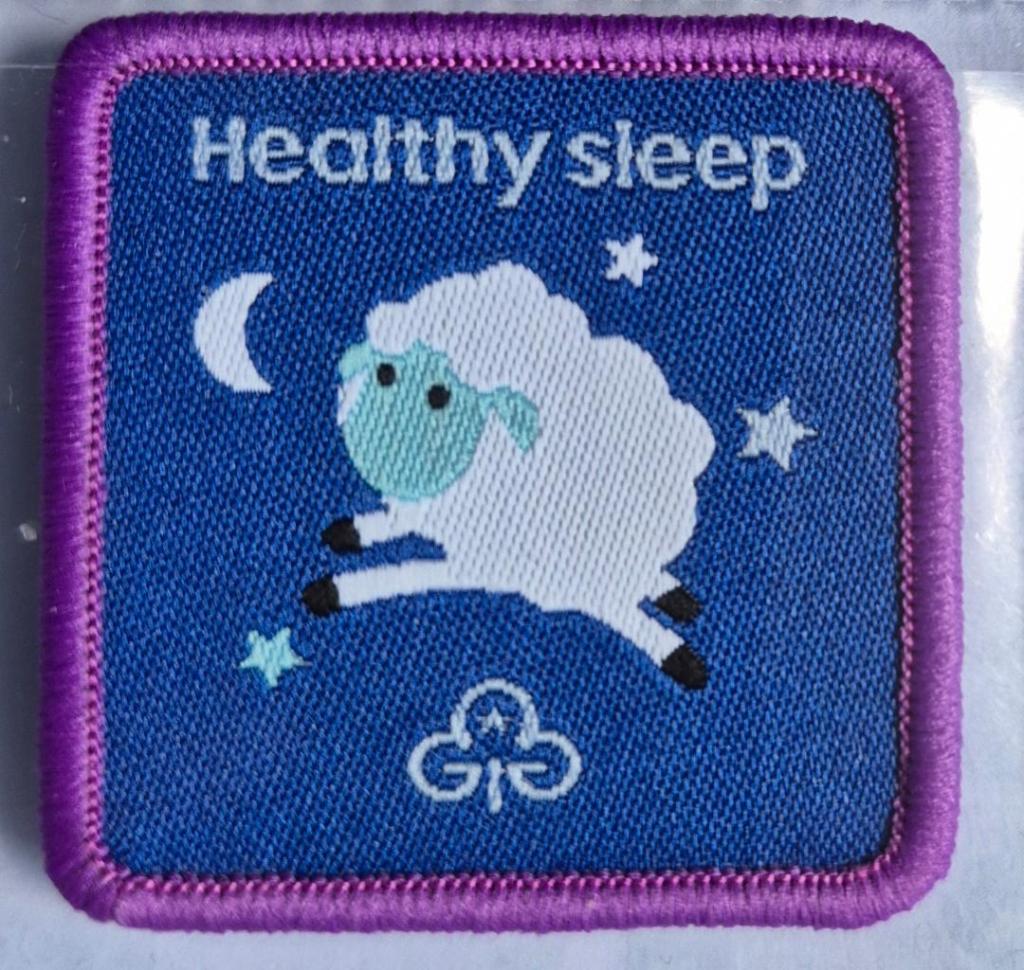
Guide Healthy Sleep badge 2025 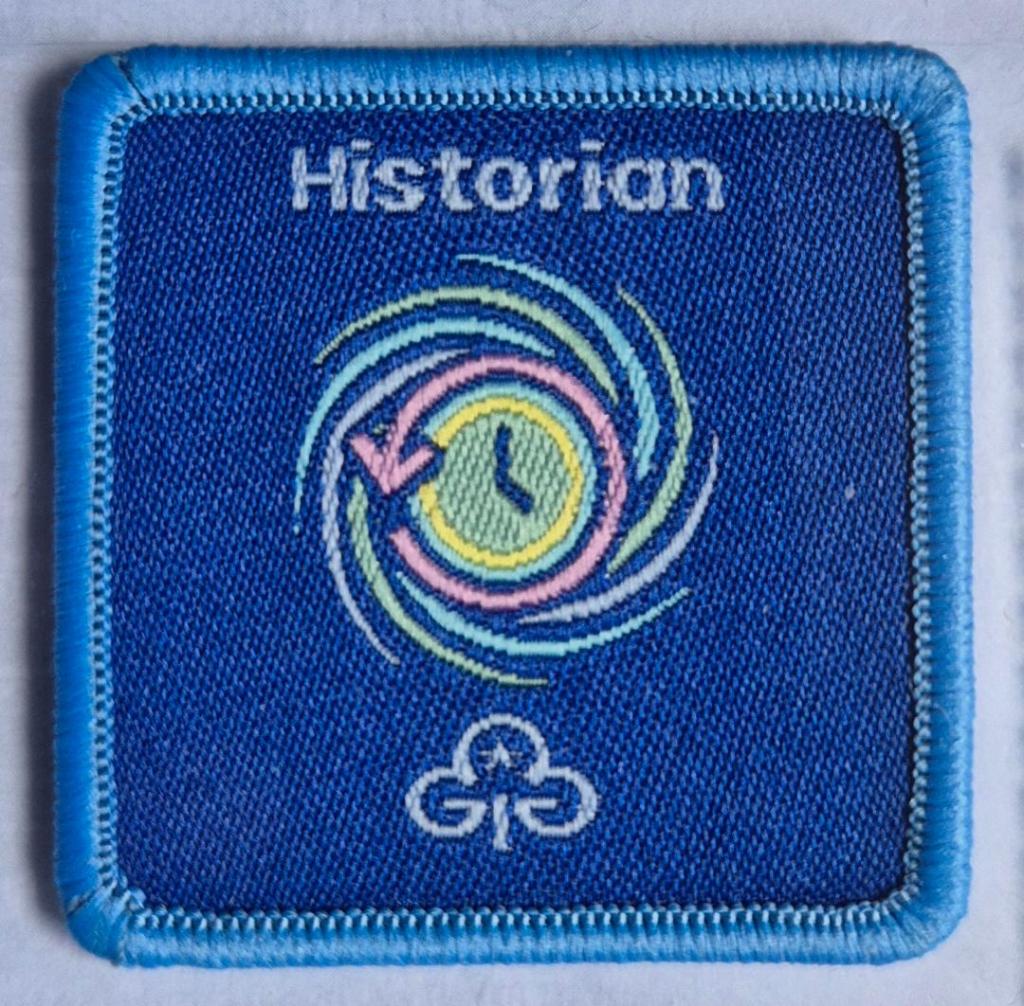
Guide Historian badge 2025 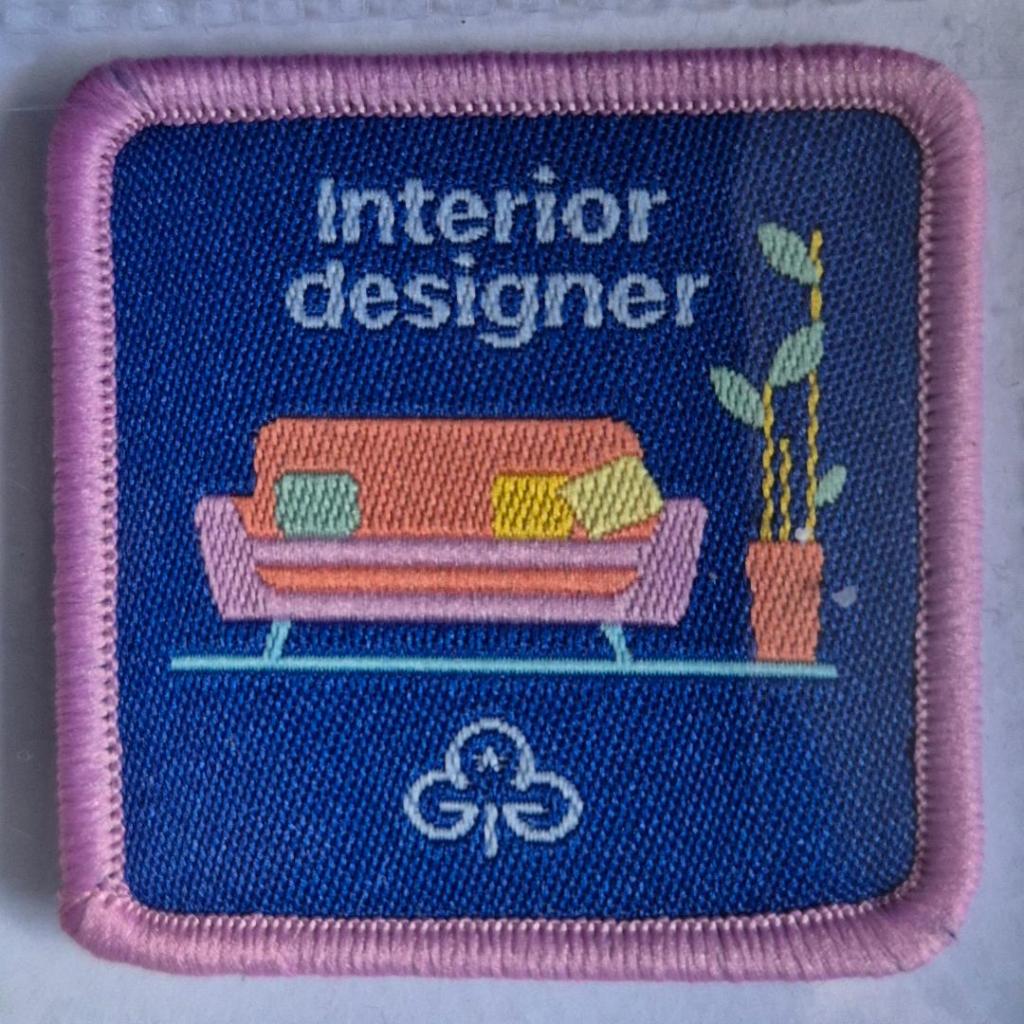
Guide Interior Designer badge 2025 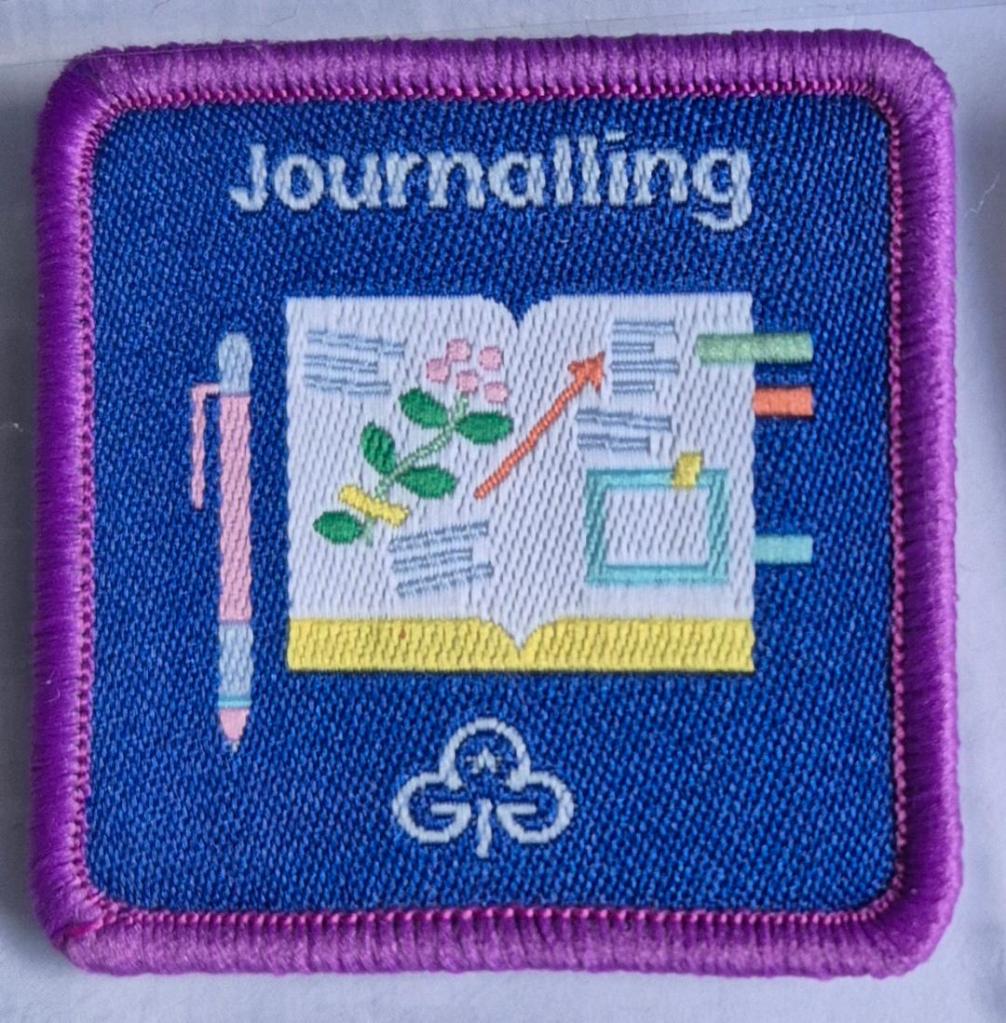
Guide Journaling badge 2025 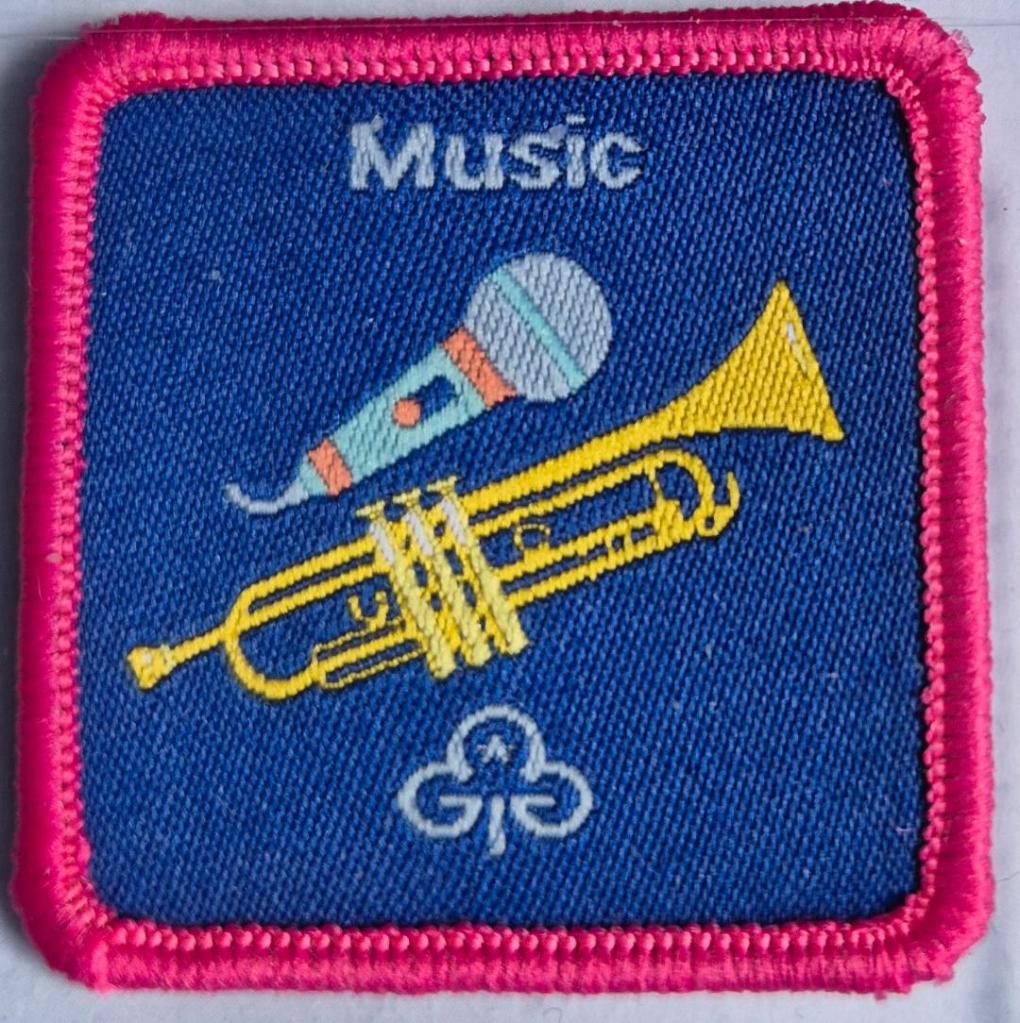
Guide Music badge 2025 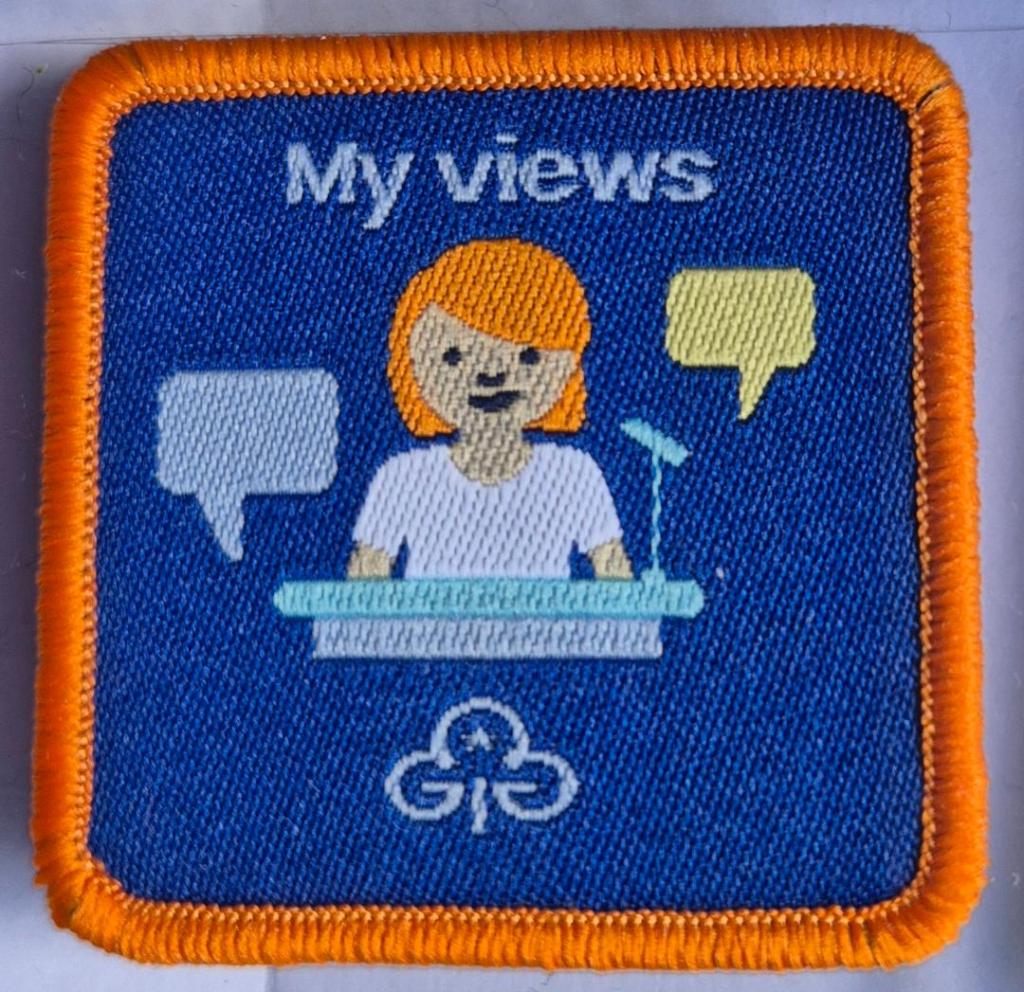
Guide My Views badge 2025 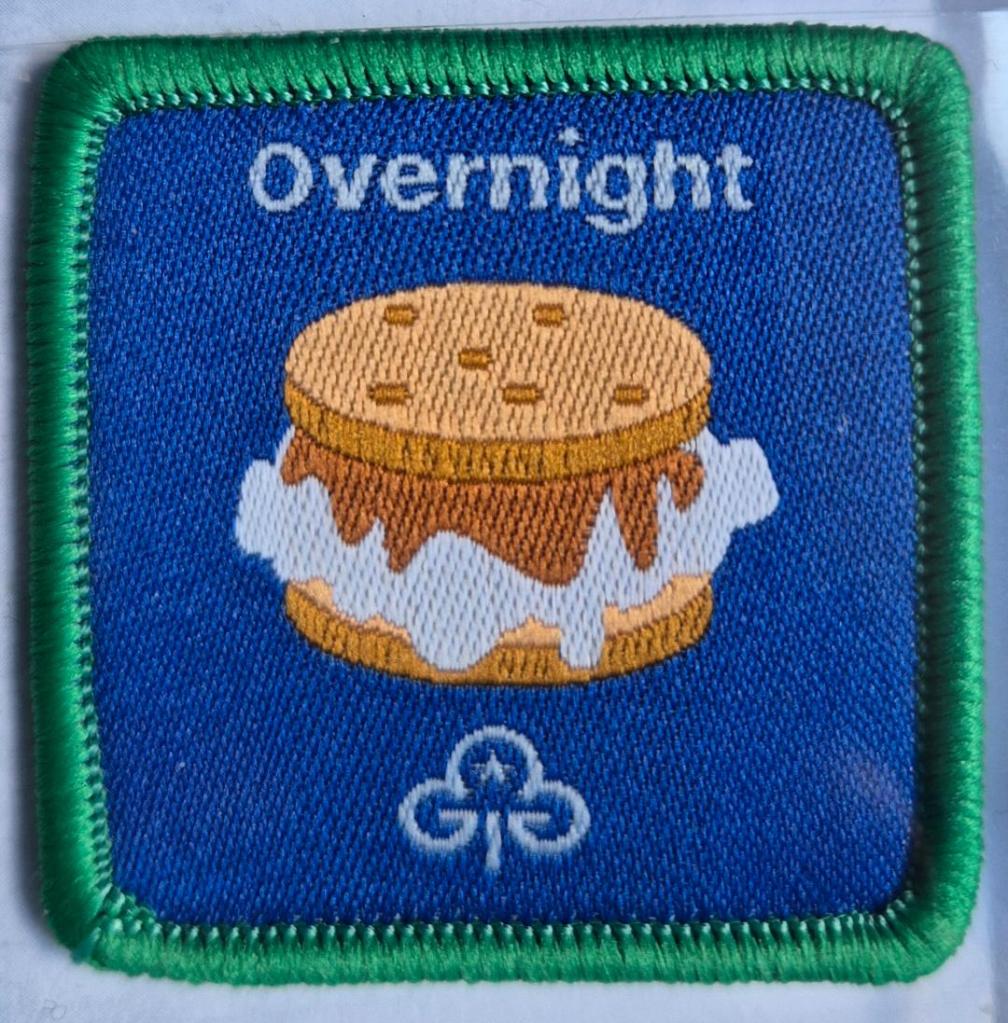
Guide Overnight badge 2025 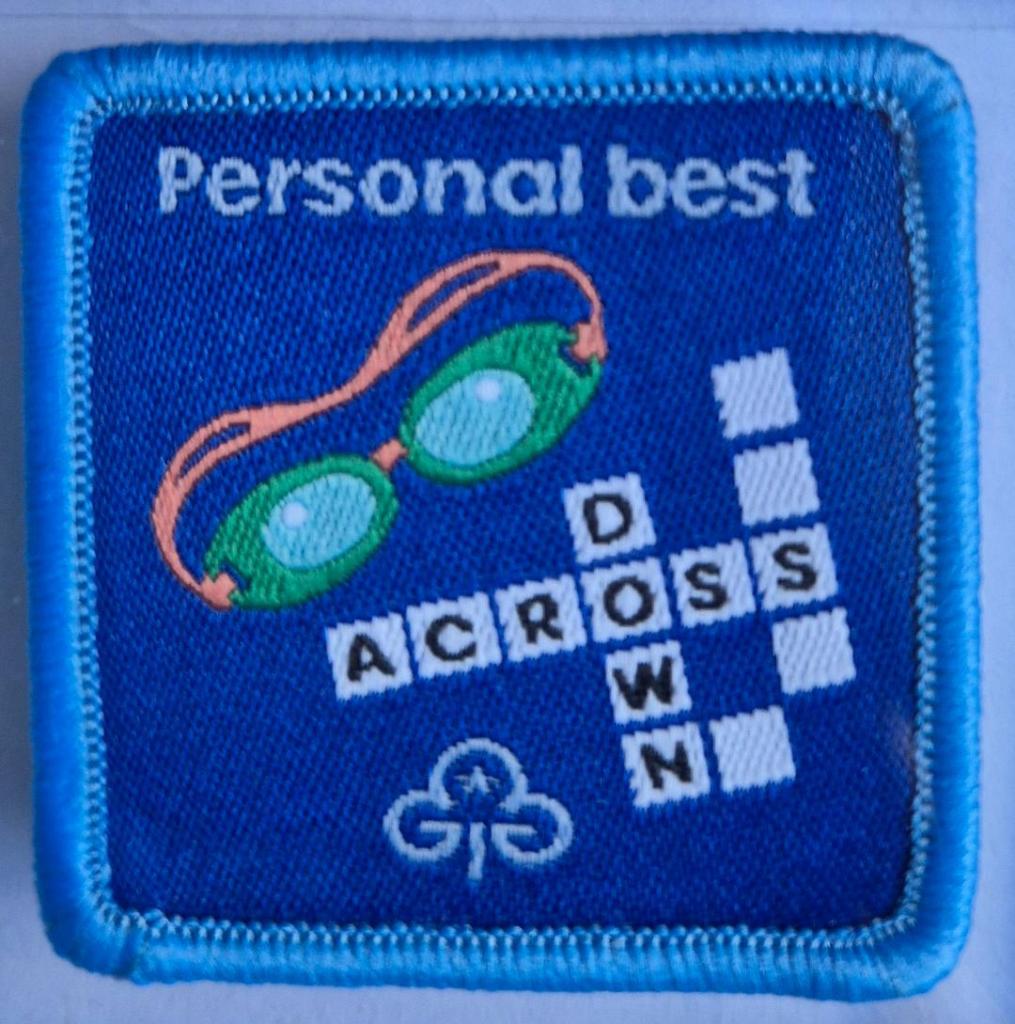
Guide Personal Best badge 2025 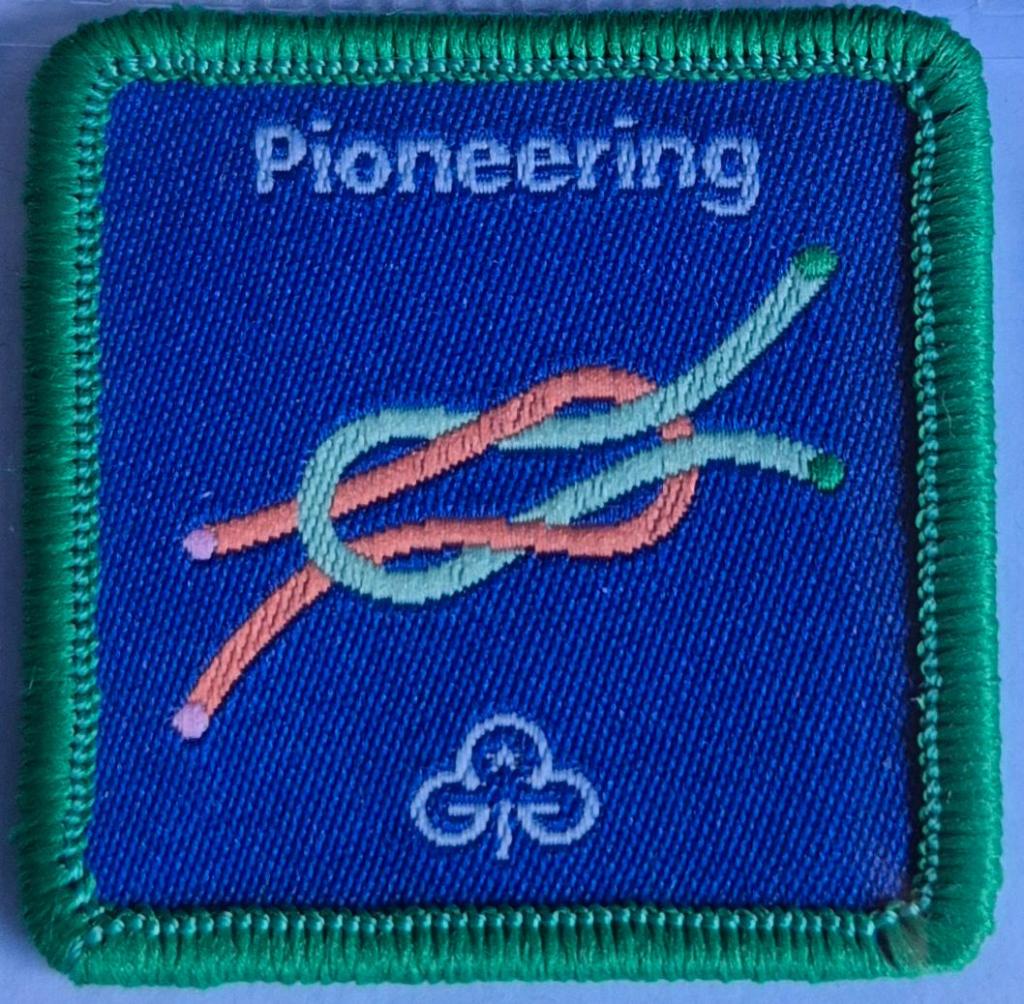
Guide Pioneering badge 2025 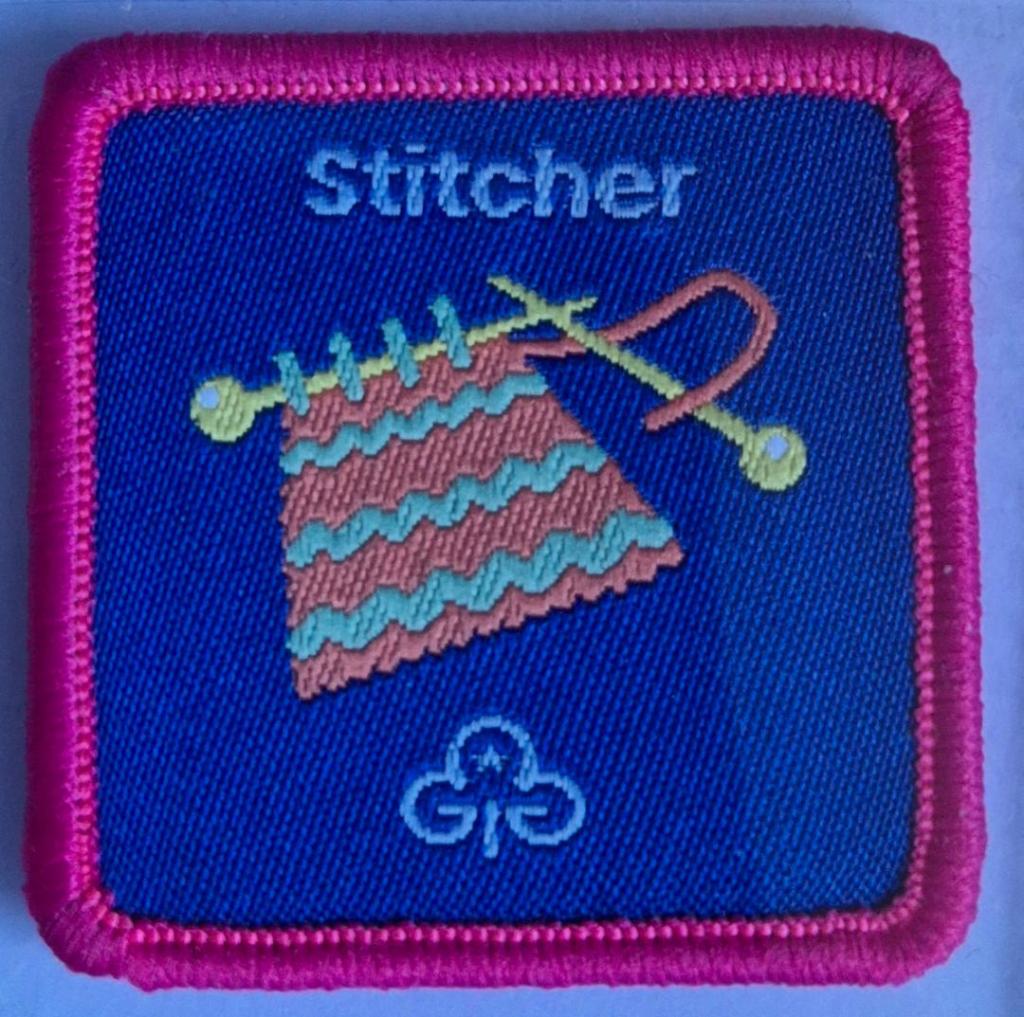
Guide Stitcher badge 2025 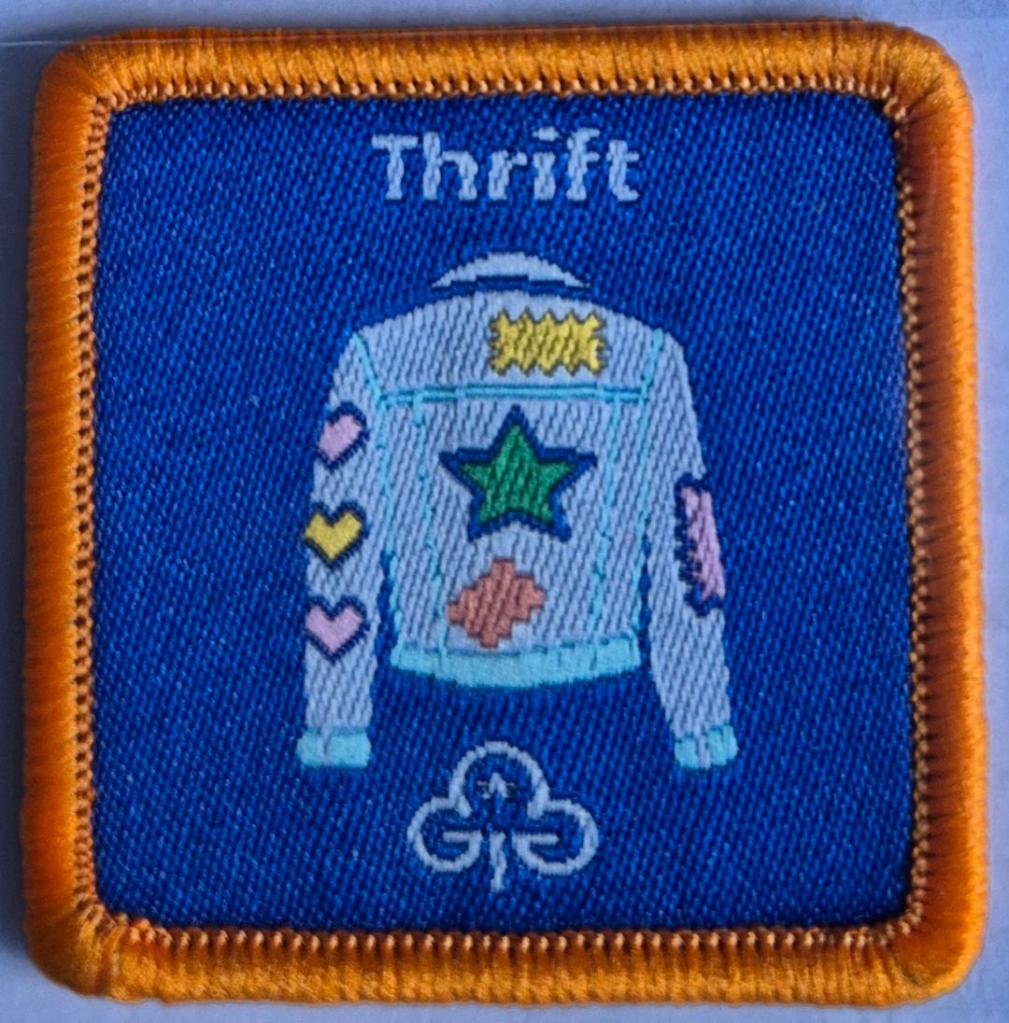
Guide Thrift badge 2025
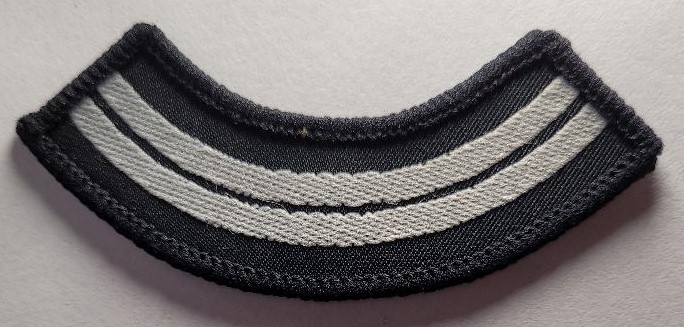
But there weren’t just Interest Badges for Guides. The Patrol Leaders and Seconds had special badges, with one stripe for a Second, and two stripes for a Patrol Leader (if someone was appointed ‘Company Leader’ they wore three stripes). These were originally white fabric strips worn vertically on the pocket of the uniform blouse, after 1968 much smaller curved badges for PLs and PSs were produced, which were worn under the Patrol badge (Company Leader was abolished in 1968). These were replaced by pin badges in 2000.

At one stage, a special range of interest badges was available for Extension Guides (the name then used for Guides with disabilities, who often belonged either to special Extension Lone units, or to Extension Hospital units if they were in-patients). In 1939 these badges were: Ambulance, Collector, Gardener, Handicraft, Hostess, Language (for the deaf), Observer, Sick Nurse, Sportswoman, Thrift. These had mauve edges to differentiate from the regular badge. This did not preclude extension Guides from earning mainstream badges too, and it seems that some of these were produced in Extension colours – lilac in the early years, later dark blue.
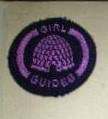
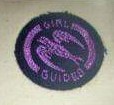


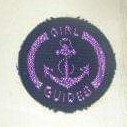




The list below gives details of the pre-2000 Guide interest badges. The total number of different interest badges in the list below is high, but it’s important to be aware that some badges were not necessarily long lived – or frequently awarded. There were many revisions of badges, including a major one in 1983 when all the different farming-related badges were merged under ‘farmer’, for instance. Usually, mergers or withdrawals were a reflection of how rarely certain badges were awarded, reflecting changing hobbies and lifestyles just as much as the introduction of new badges did – milliner was dropped as hat wearing became rarer – and equally computer badge was introduced as home computers became commonplace. Aircraft/Flyer was dropped as it became less common for Guides to have the opportunity to learn to fly, but was later re-introduced with a focus on Guides learning about different types of aeroplanes and how to help at airfields as ground crew. At other times the names of badges were altered for varying reasons, (such as empire knowledge becoming commonwealth knowledge in 1959 as the ’empire’ name was being more generally dropped). Although lists can attempt to give a rough start date, or date by which a badge was known to exist, it is usually difficult or impossible to confirm accurately when particular badges ceased to be available, or when newer styles or versions of a badge were first issued, unless clear references to the change can be found in official publications. We also have to recollect that Guiders and Badge Secretaries in Guiding were thrifty – they often held stocks of badges, which meant that older-style badges could continue to be issued to Guides for several months or years after a newer style first became available from headquarters – and unless they subscribed to and read the official magazine, it could take time for news of changes to filter through to unit Guiders anyway. There also tended to be official lag-times build in – badges which were being withdrawn usually had a certain period of ‘grace’ or transition time following the announcement of the change, in which those who had already started working on a badge could finish off their work and still gain the award before the badge was finally and fully withdrawn. Hence I’ve made no attempt to put down name change dates, and only put down end dates where I have seen official confirmation of them – so it may be that the badges you received don’t quite match up with the dates listed!
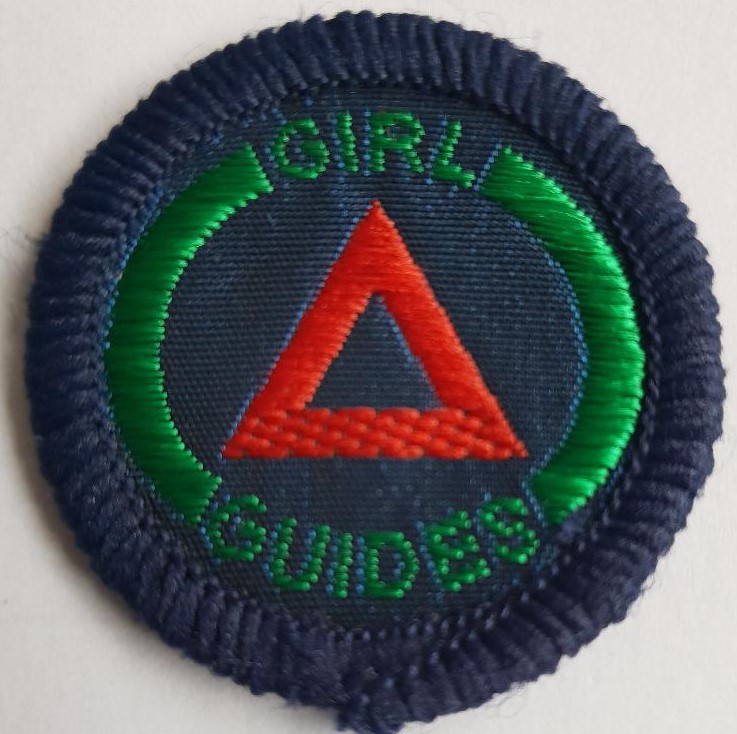
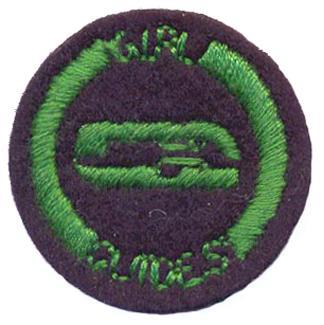
Accident Prevention (a red triangle) (1968-c2002)
Aircraft/Flyer (an aeroplane) (1911-c2002)
Agility (girl on rope bridge) (1964-c2002)
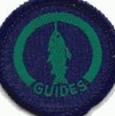
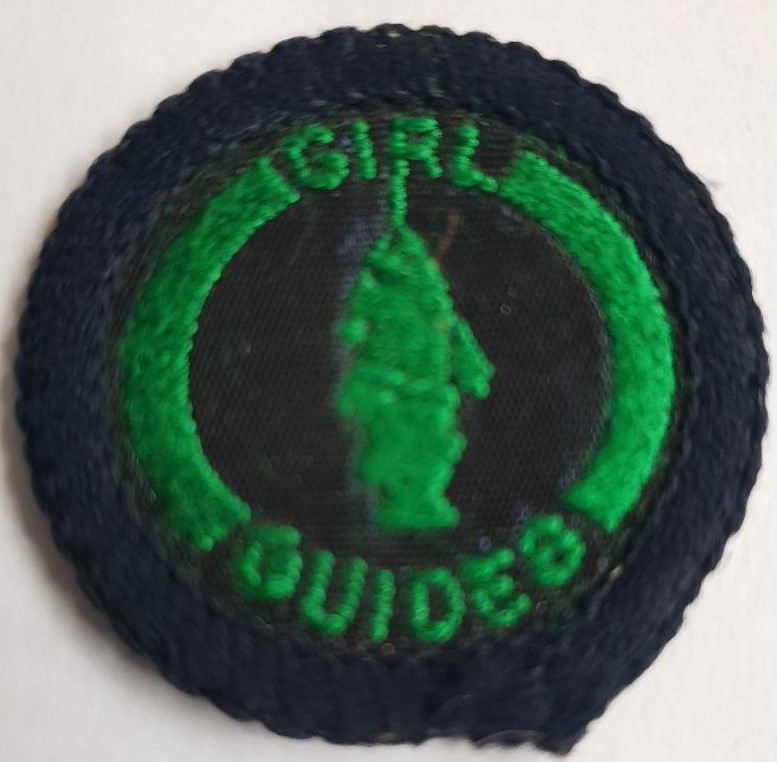
Angler (fish hanging from hook) (1964-c2002)
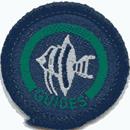
Aquarist (angel fish facing left) (1936-c2002)
Artist (a palette with brushes, later palette) (1910-c2002)
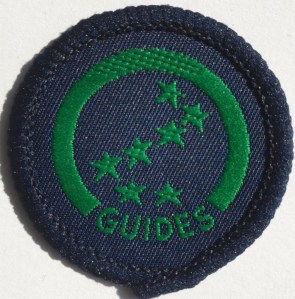
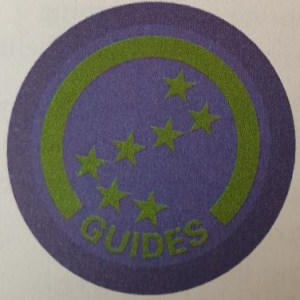
Astronomer/Starlover/Stargazer (stars) (1910-c2002)
Athlete (a girl with skipping rope, later girl hurdling) (1911-c1978)
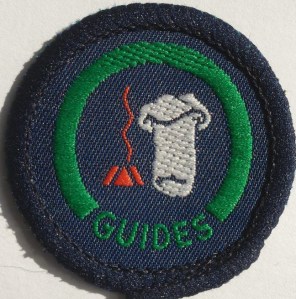
Backwoodsman (a three-log fire) (1968-c1990, became staged Survival)
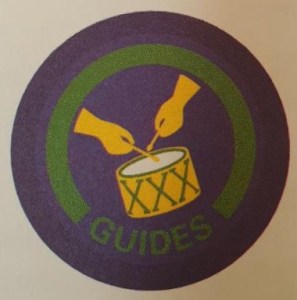
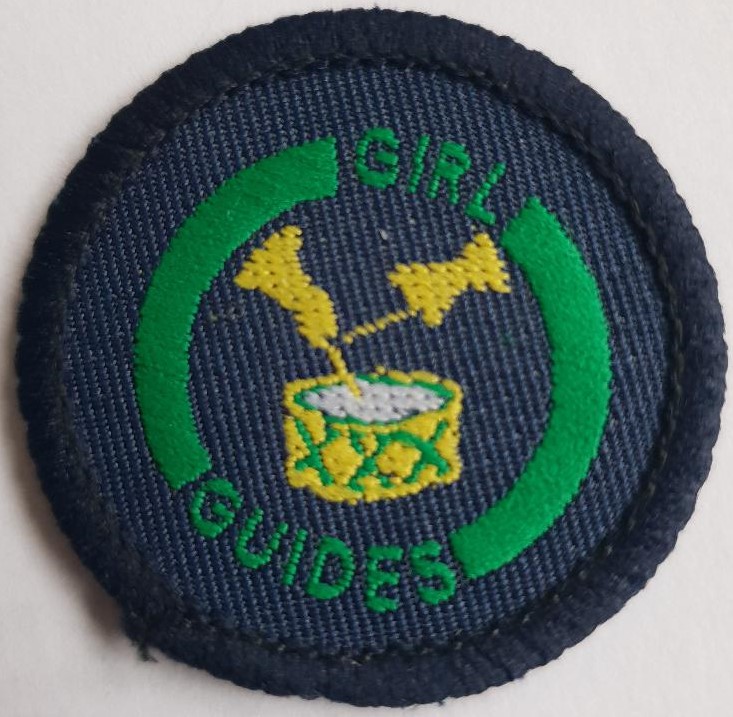
Band (side drum being played) (1989-c2002)
Basket Maker/Basket Worker/Basket Weaver (a round basket) (1910-c1978)
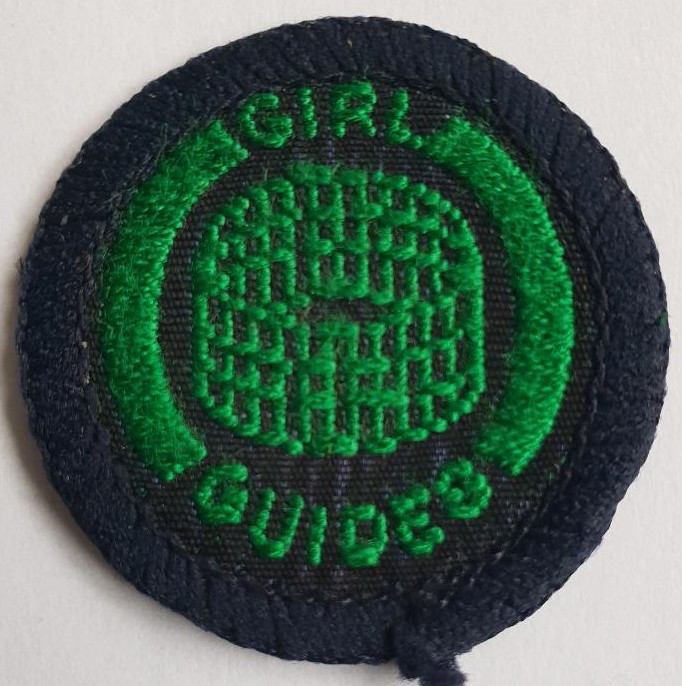
Bee Farmer/Beekeeper (a woven domed beehive) (1917-1983, merged with Farmer)
Bellringer (a bell) (1950-c1990, became staged)
Be Prepared (the letters BP split by an arrow pointing diagonally to top right) (1960-c1978)
Birdwatcher/Birdlover (a bird flying to top right, later to top left) (1920-c1995, became staged)
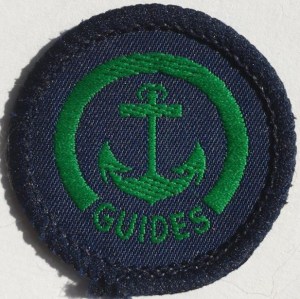
Boatswain (an anchor) (1910-c1994, became staged as Canoeist/Dinghy Sailor/Oarswoman etc)
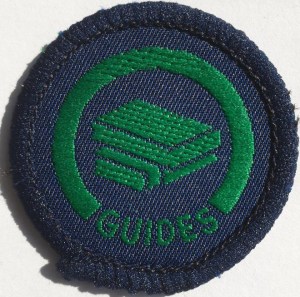
Book Lover/Book Reader (two books stacked) (1910-c2002)
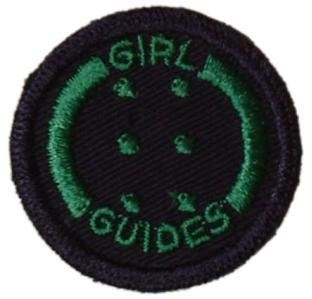
Braille (four braille dots, later six dots) (1922-1939)
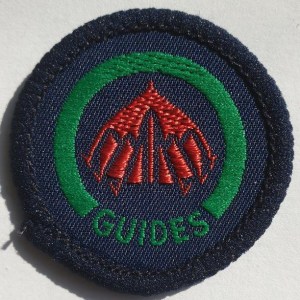
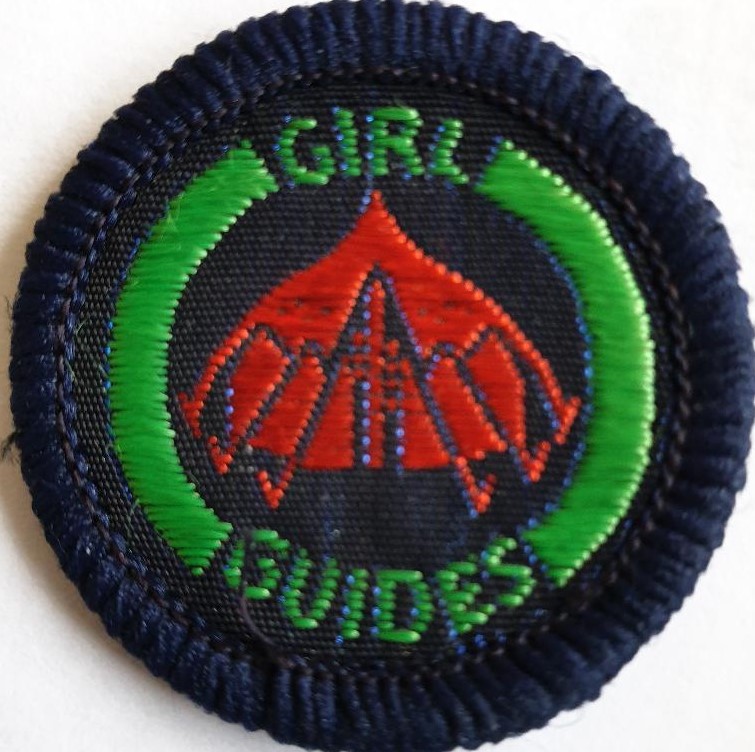
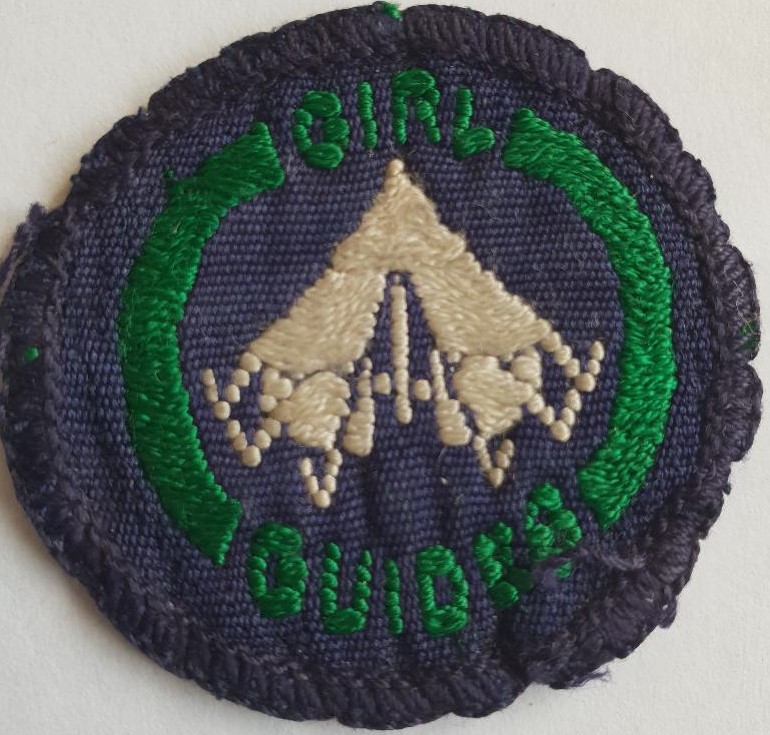
Camper (a bell tent in white, later red when Camper Advanced introduced) (1923/24 then 1957-c2002)
Camper Advanced (a bell tent in white) (1989-c2002)
Care of the Elderly (a rocking chair facing left) (1980-c1995)
Carpenter/Woodworker (a brace) (1910-c1992)
Caver (yellow helmet and rope) (1996-c2002)
Caver Advanced (white helmet and rope) (1996-c2002)
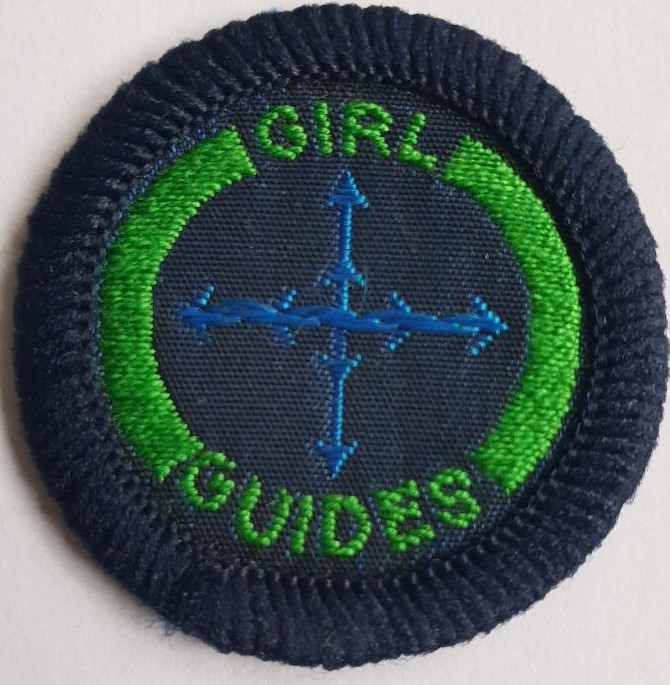
Challenge (blue crossed arrows) (1975-c2002)
Campfire/Choral Patrol/Chorister (Patrol Interest Badge) (blackbirds above pie) (1922-1937)
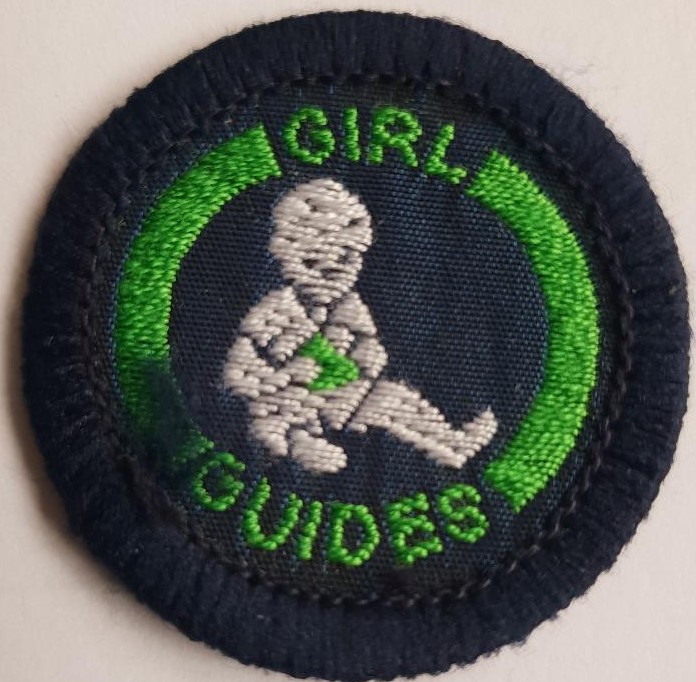
Child Nurse/Child Care (green cross, later a child playing) (1910-c2002)
Clerk (paper over pen) (1910-c1941)
Cobbler (an awl) (1910-c1978)
Collector (a magnifying glass) (1936-c2002)
Commonwealth Knowledge/ Empire Knowledge (a lion facing left) (1936-c1978)
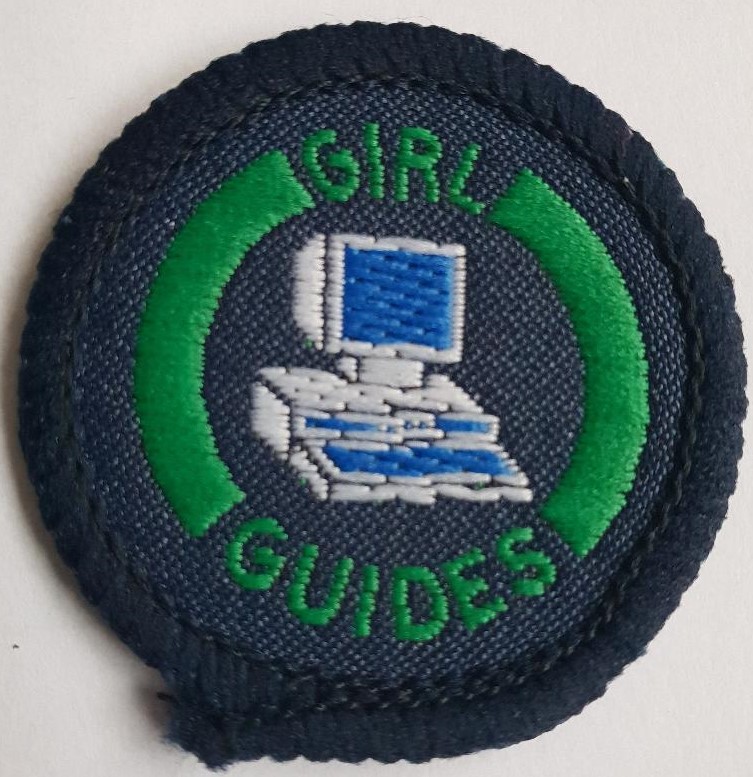
Computer (a computer) (1980-c2002)
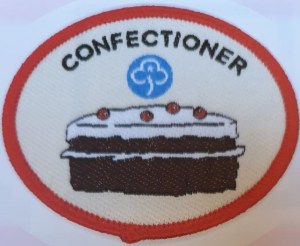
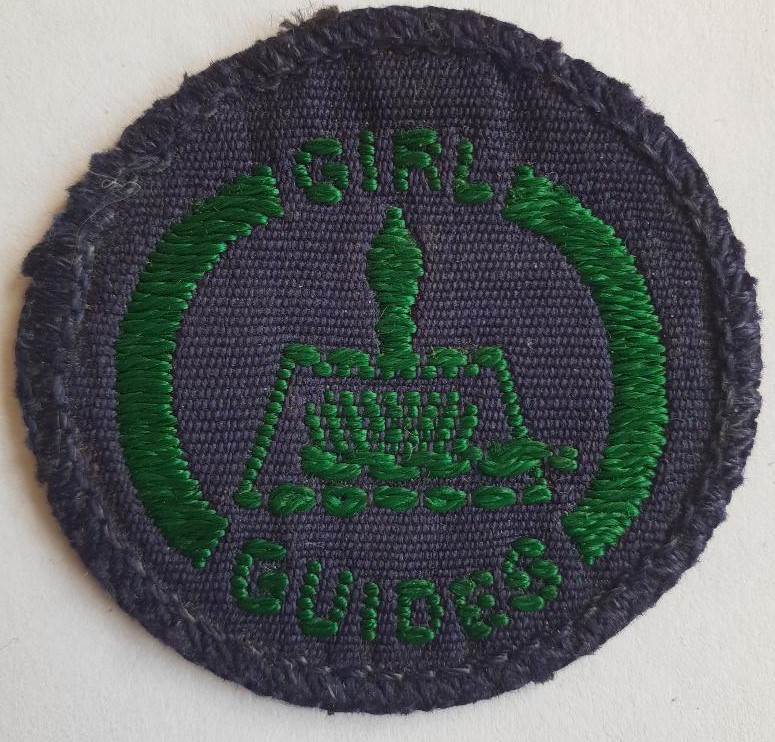
Confectioner (a cake with slice) (1980-c2002)
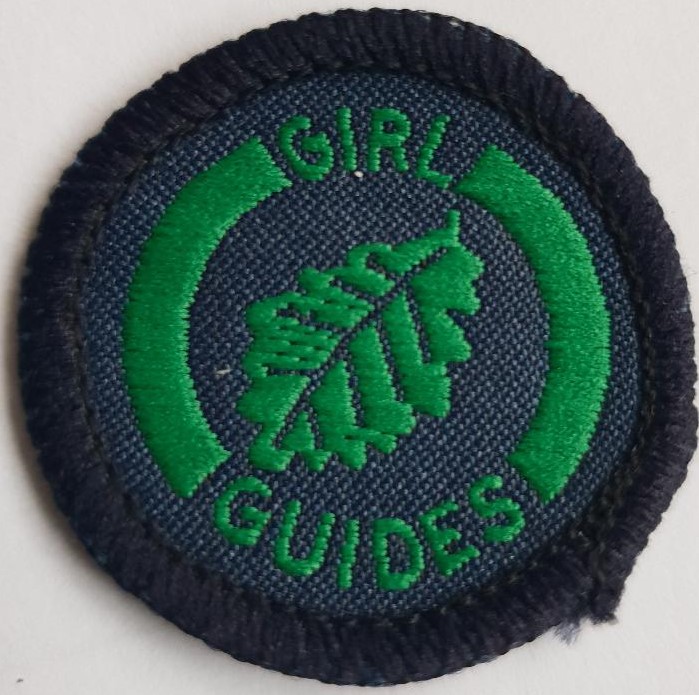
Conservation (a leaf) (1980-2002)
Cook (a gridiron, later a chef’s hat) (1910-c2002)
Craft (a pot with mosaic superimposed) (1968-c2002)
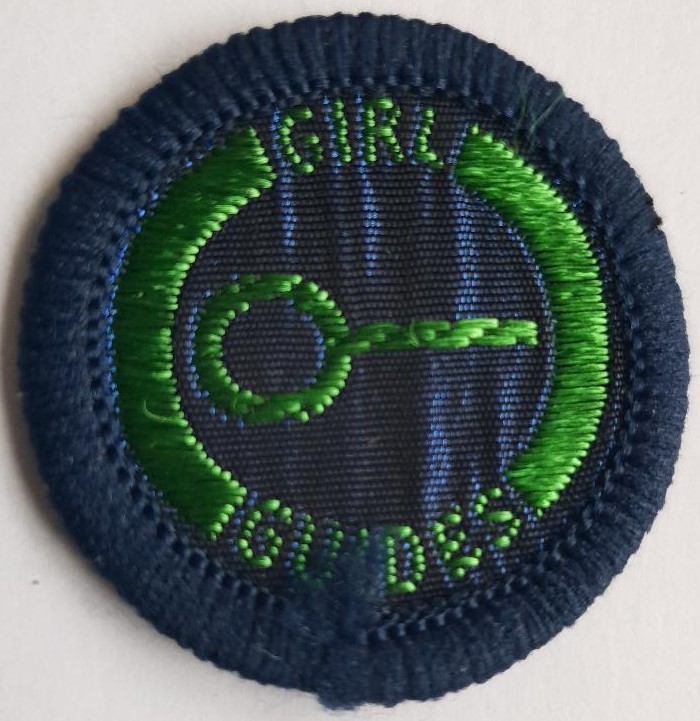
Crime Prevention (padlock with chain and key) (1980-c2002)
Cyclist (a bicycle wheel) (1910-c2002)
Dairymaid/Dairyworker (a milking stool) (1910-c1983, merged into Farmer)
Dancer (a girl leaping forward with arms raised, later stepping forward in frock, later with pleated skirt) (1910-c2002)
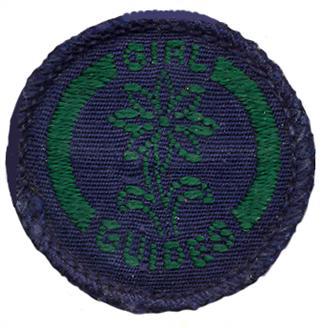
Decorative Needlework (flower with two leaves) (1936-c1943)
Domestic Service (brush and dustpan) (1910-c1943)
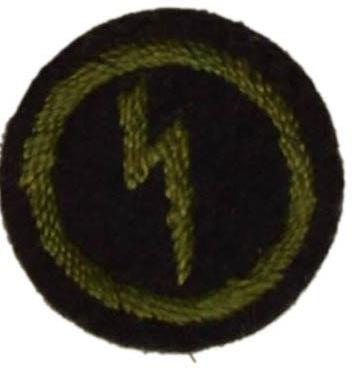
Electrician (lightning bolt) (1910 – 1932)
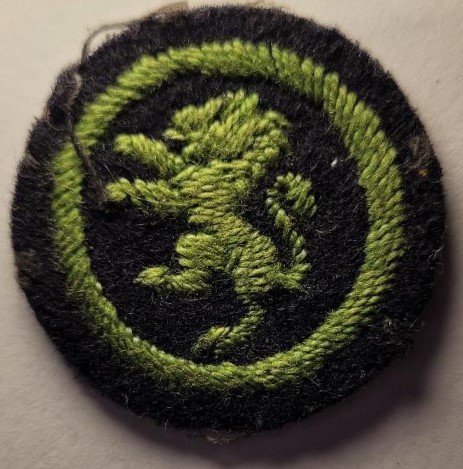
Embroiderer/ Embroideress/ Stitchery (lion rampant) (1910-c2002)
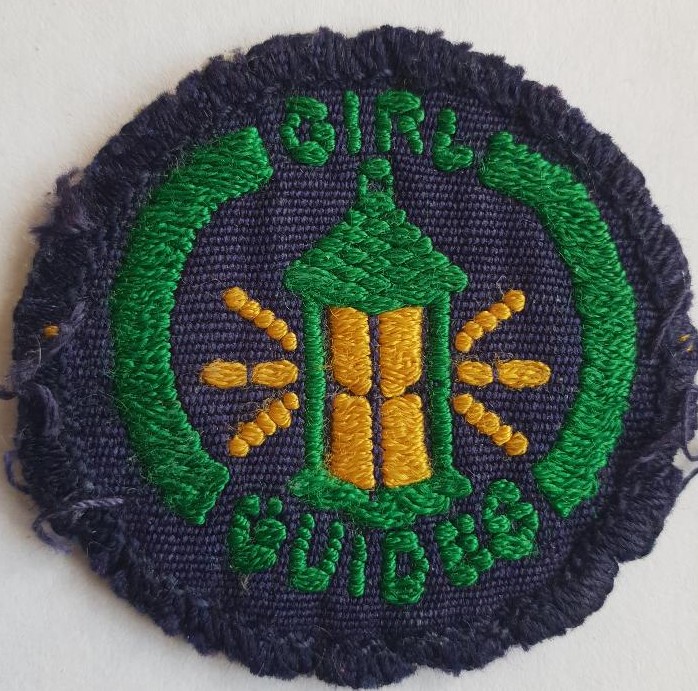
Emergency Helper (lantern) (1939-c2002)
English Folk (St George’s Cross flag) (1991-2002)
Entertainer (a mask) (1910-2002)
Europe (chain of alternate red and yellow links) (1991-c1995)
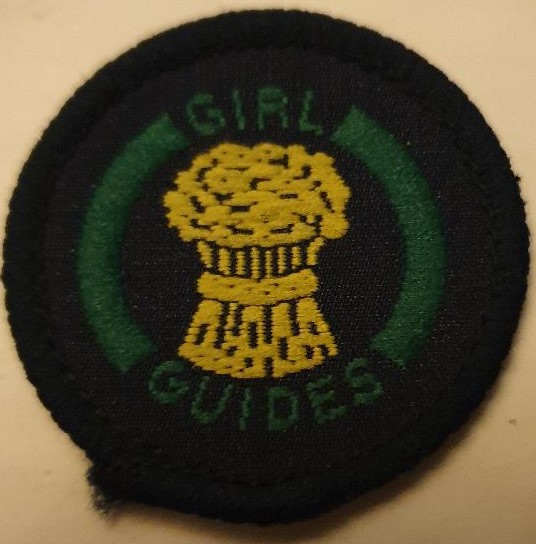
Farmer (a sheaf of corn) (1968-c2002) (replaced the separate farming-related badges in 1983)
Fireman/ Fire Brigade/ Fire Fighter (flames, later fireman’s helmet) (1910-c2002)
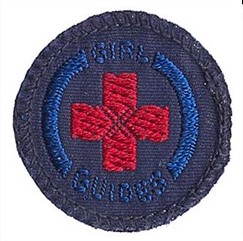
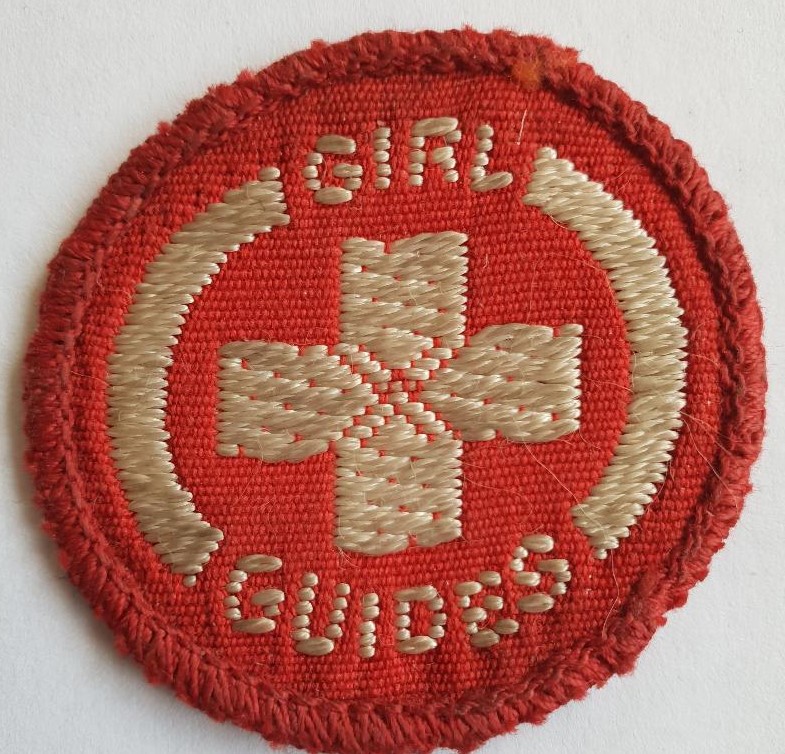
First Aid/Ambulance (a red cross) (1910-c2002)
Fitness/ Health (a serpent) (1910-c2002)
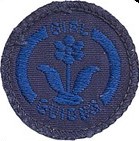
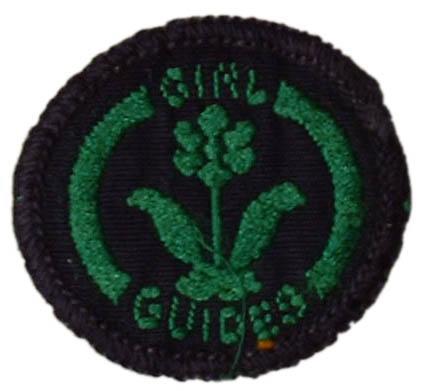
Florist/Gardener (a flower with twin leaves, later a flower head) (1916-c2002)
Flower Arranger (a flower arrangement) (1968-c2002)
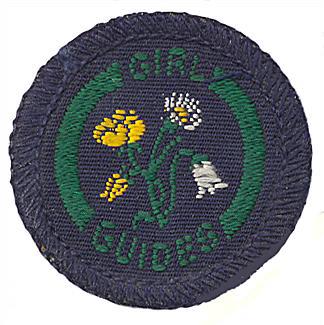
Flower Lover (quartet of flowers) (1936-c1943)
Folk Dancer/ Country Dancer (girl in checked skirt with crossed legs) (1922-c2002)
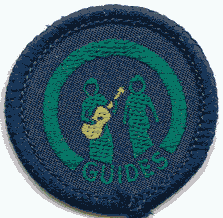
Folk Singer/Singer (two figures in long robes) (1978-c1995)
Friend to Animals (horseshoe, later St Francis with birds) (1910-c1995, became staged)
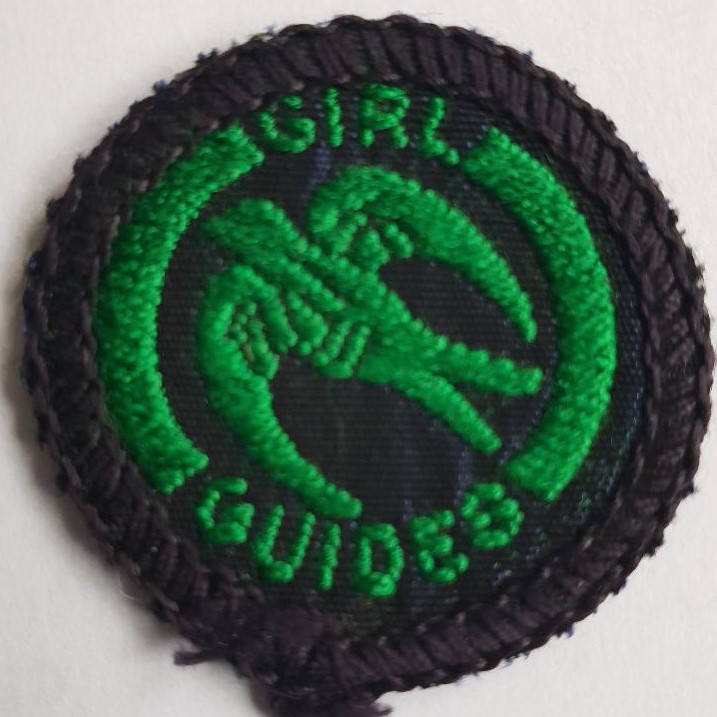
Friend to the Deaf (a hand with the vowels above each finger)(1938-c1965, became staged Deaf Awareness)
Geologist (crossed pick and shovel) (1910 – 1932)
Gymnast (crossed clubs, then girl climbing rope, then girl vaulting) (1910-c1978)
Handbell Ringer (Hand holding raised handbell) (1939-c1942)
Handywoman (crossed hammer and paintbrush) (1917-c2002)
Hiker (a woodcraft helmet) (1925-c1990)
Heritage (tree, path and stone arch) (1978-c2002)
History Lover (an hourglass) (1938-c1943)
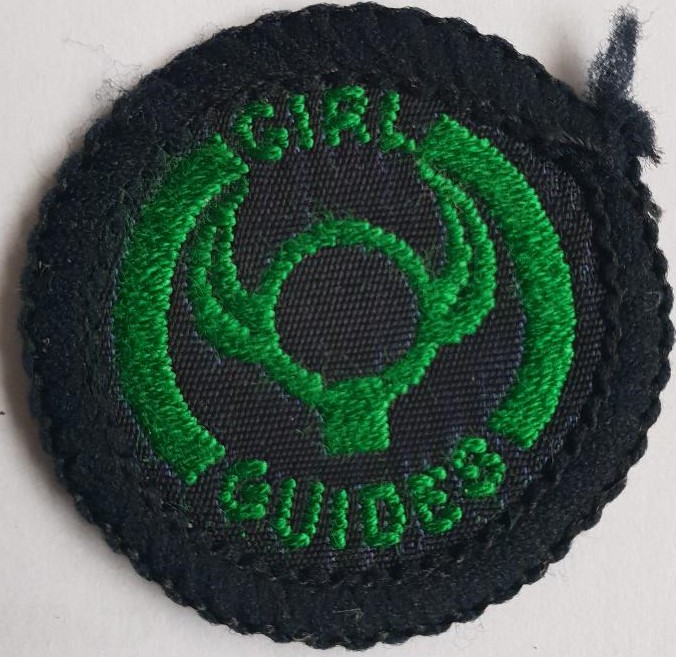
Hobbies (a hobby horse facing left) (1991-c2002)
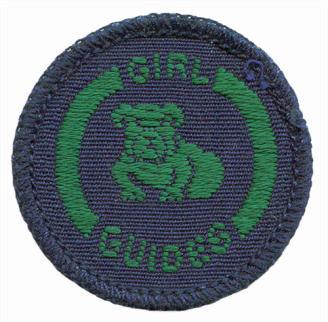
Home Defence (a bulldog) (1939-1946)
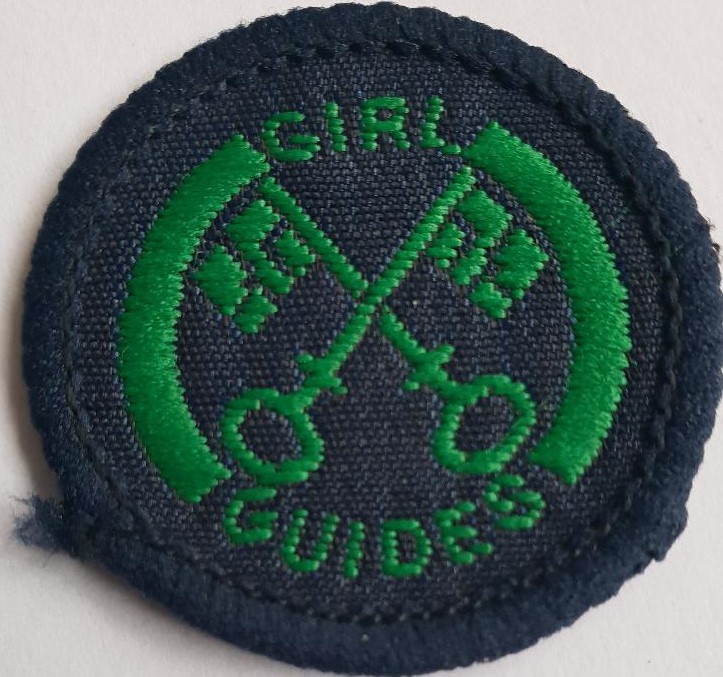
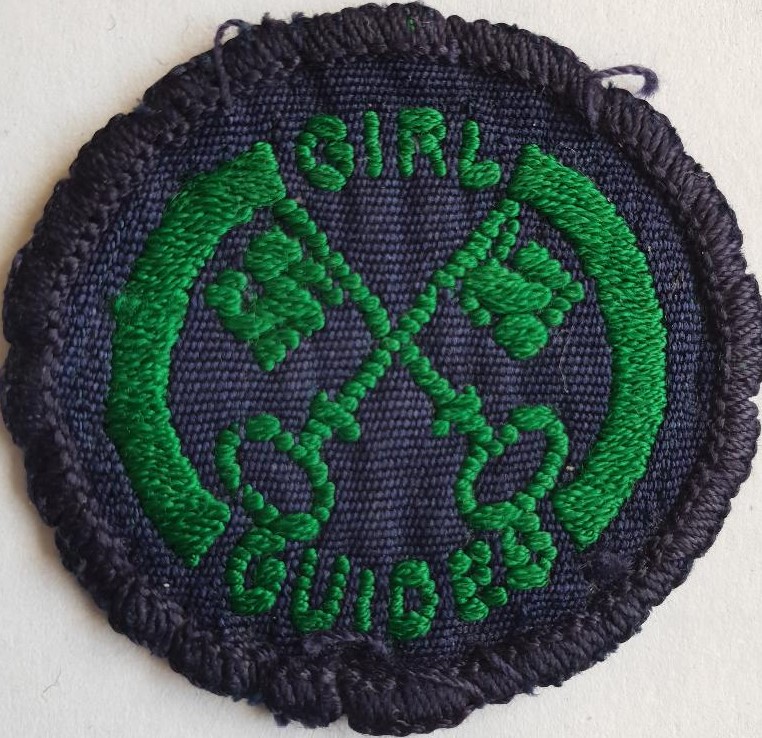
Housekeeper/ Homemaker/ Matron (crossed keys) (1910-c2002)
Home Nurse/ Sick Nurse (a white cross) (1910-c2002)
Horsewoman/ Rider (a spur, later a horseshoe) (1910-c1995, became staged)
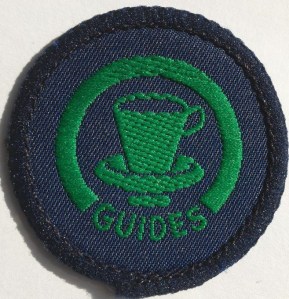
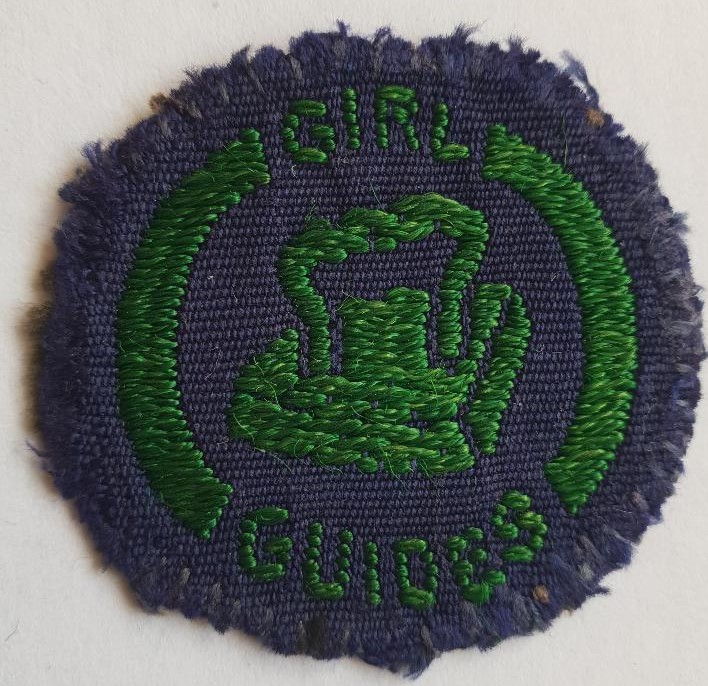
Hostess (cup and saucer) (1922-c2002)
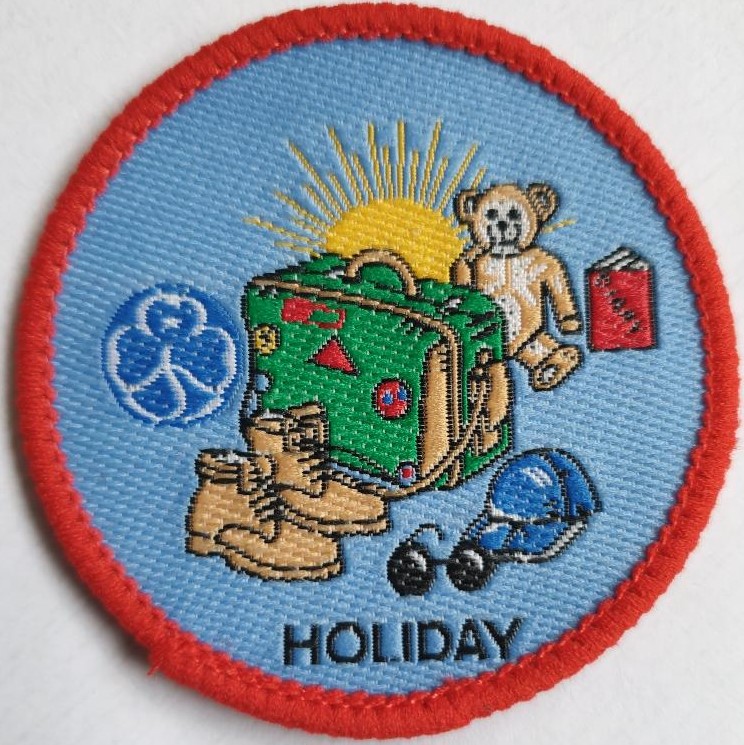
Holidays (a holdall) (1991-c2002)
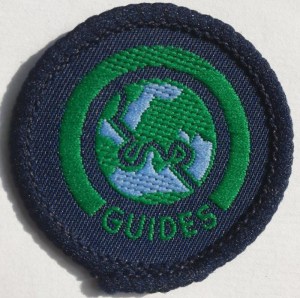
International Knowledge/ World Friendship/ Guide Friendship/ World Association (a globe) (1927-c1992)
Interpreter (clasped hands) (1910-c1995, became staged)
Keep Fit (a girl standing upright with both hands raised) (1938-c1961)
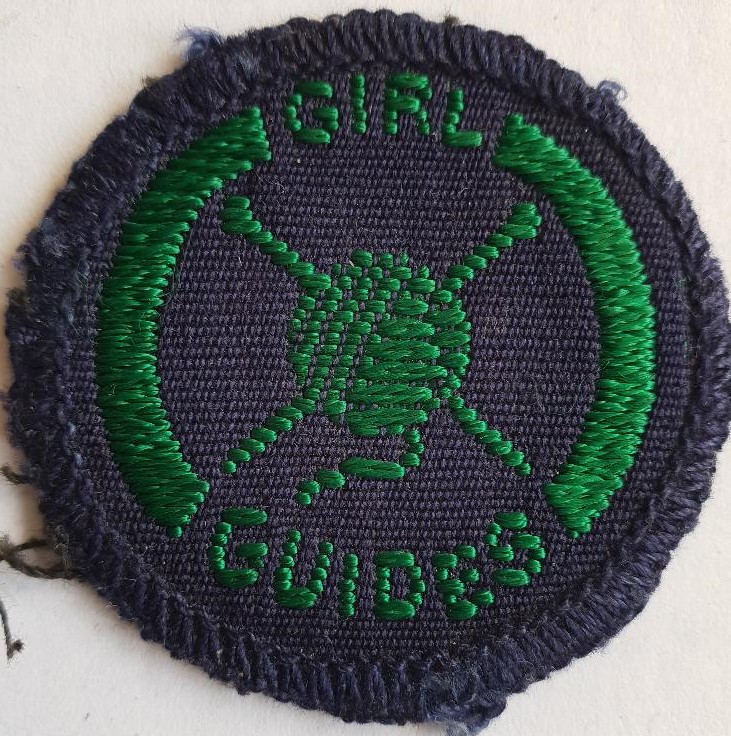
Knitter (ball of wool with crossed needles) (1910-c1995, became staged)
Knotter (figure of eight knot) (1959-c1995, became staged)
Lacemaker (a lace shawl) (1910-c1978)
Landworker (a hand sickle) (1910-c1934)
Language for the Deaf (crossed key and flaming torch) (c1938-c1968)
Laundress (an iron) (1910-c2002)
Lifesaver (lifebelt with letters LS, later lifebelt with crossbar) (1922-c1995, became staged),
Local History (a castle) (1940-c2002)
Manx Folk (traditional three-legged symbol) (1991-c2002)
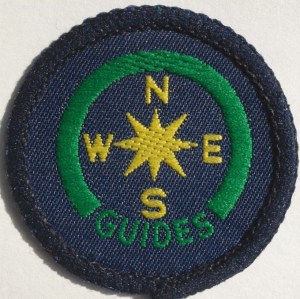
Map Reader (a compass rose) (1950-c2002)
Milliner (a ribbon bow) (1910 – 1931)
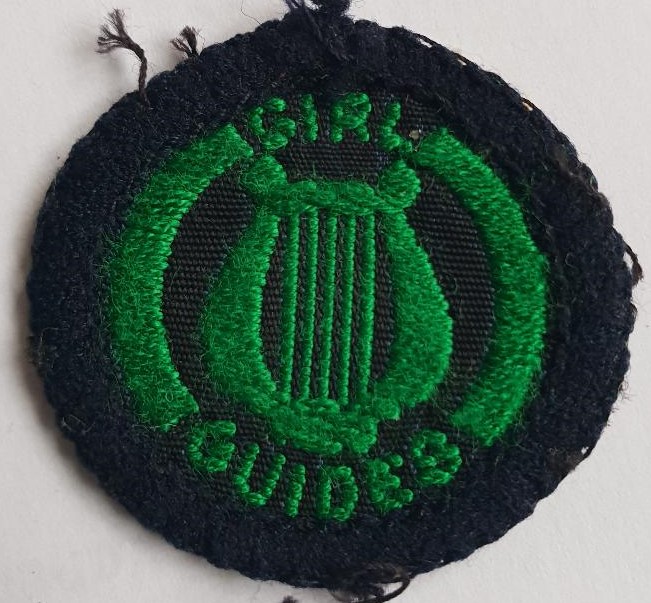
Minstrel/Musician (a lyre) (1910-c2002)
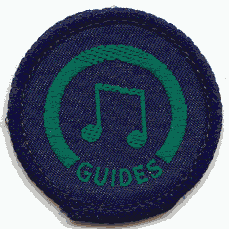
Minstrel/Music Lover (a treble clef on stave, later twin notes) (1920-c2002),
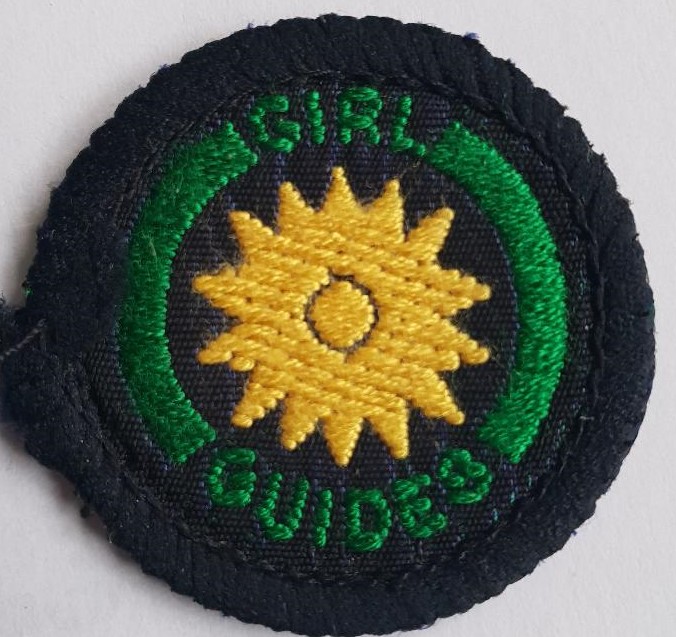
Naturalist (the sun) (1910-c1978)
Needlewoman/Needlecraft (open scissors) (1910-c1995, became staged)
Observer (an eagle’s head) (1968-c2002)
Outdoor Chef (a fire and chef’s hat) (1986-c2002)
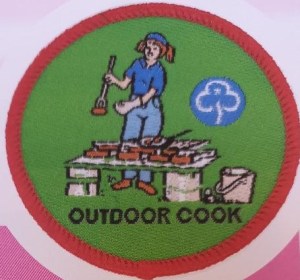
Outdoor Cook (a pot on a stand) (1988-c2002)
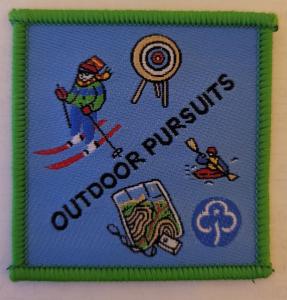
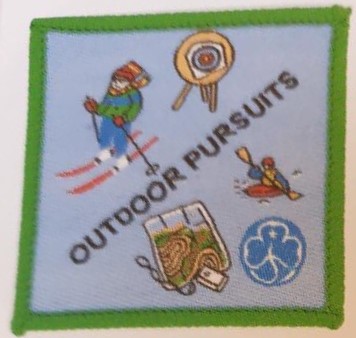
Outdoor Pursuits (grey mountains, river and trees) (1991-c2002)
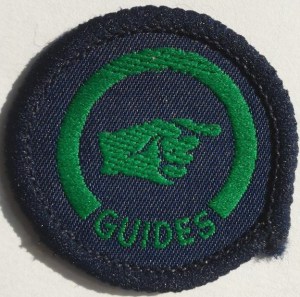
Pathfinder (a hand pointing right) (1910-c2002)
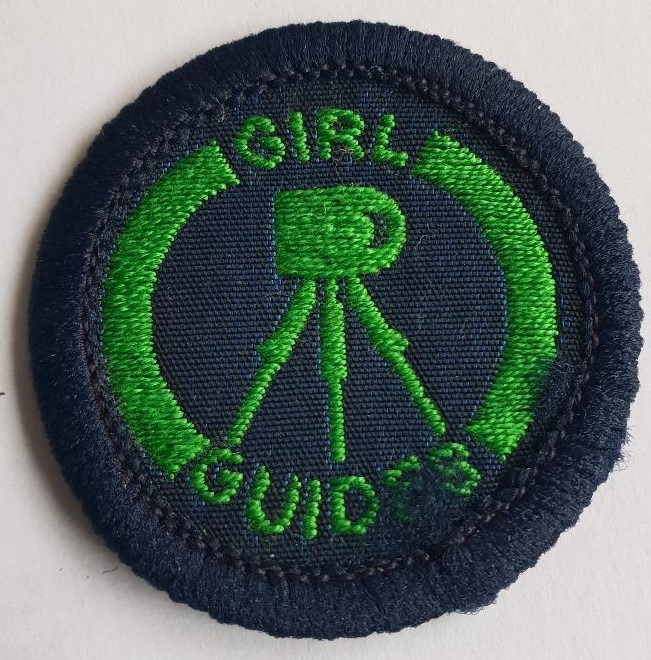
Photographer (a camera) (1910-c1995, became staged)
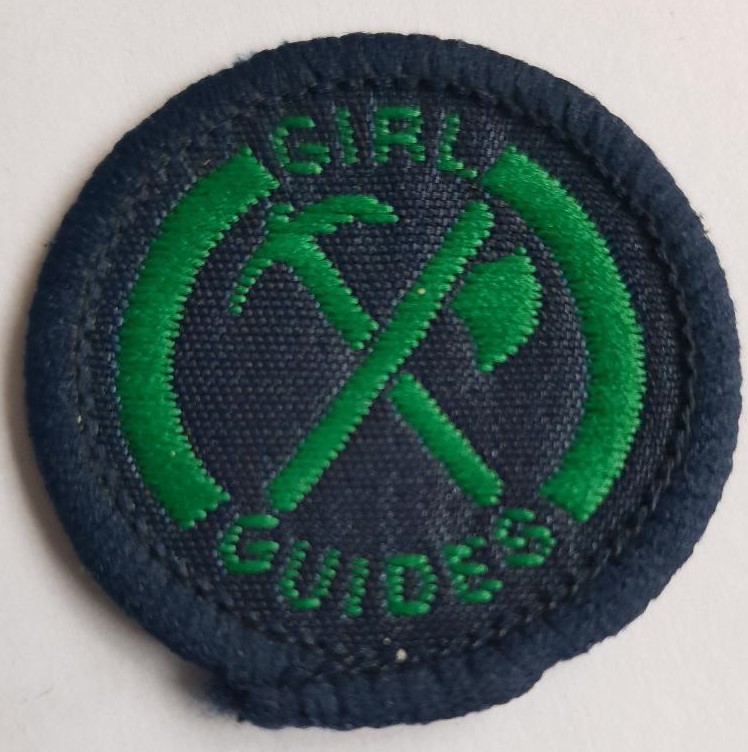
Pioneer (crossed axe and pick) (1910-c1990, became staged Survival)
Player (Company Interest Badge) (a mask) (1936-c1968)
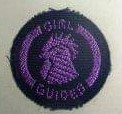
Poultry Farmer (cockrel head facing left) (1910-c1983, merger into Farmer)
Printer (a printing press) (1910-c1936)
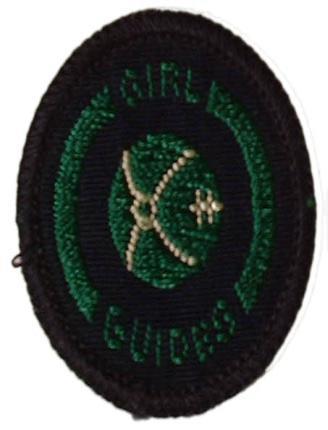
Quest (oval shaped) (Guide badge within stylised letter Q) (1979-1990s)
Rabbit Keeper (seated rabbit) (1939-c1978, merged into Farmer 1983)
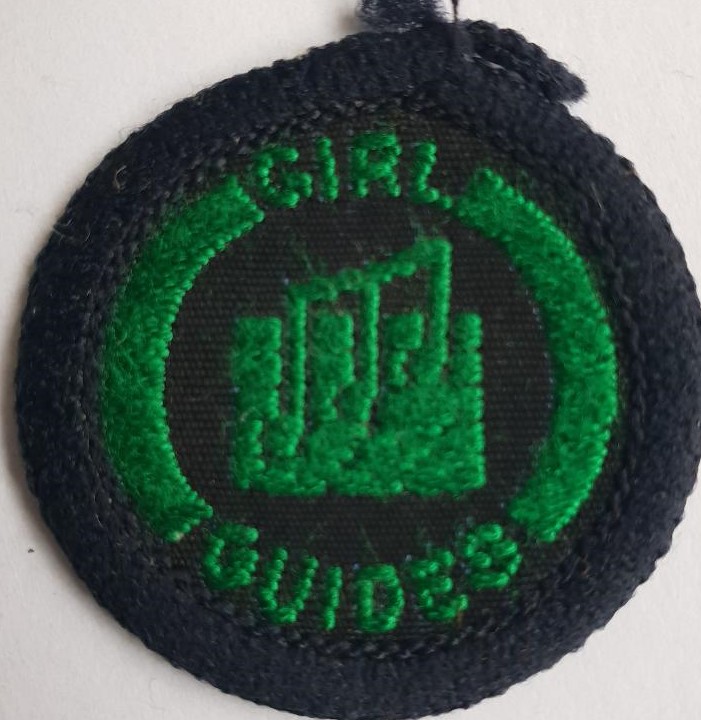
Radio Communicator (aerial mast) (1980-c2002)
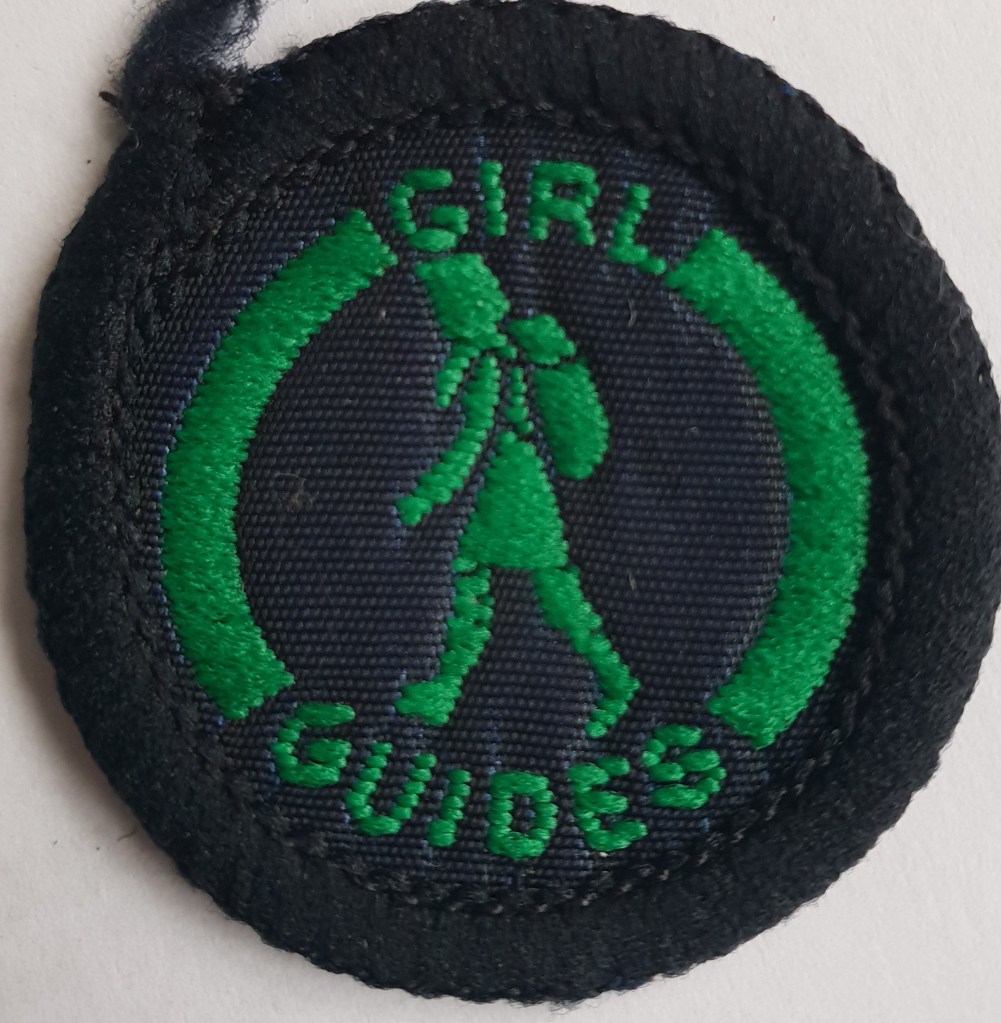
Rambler (a girl carrying rucksack facing left) (1968-c1990, became staged)
Rescuer (a buoy on water) (1943-c1990, became staged)
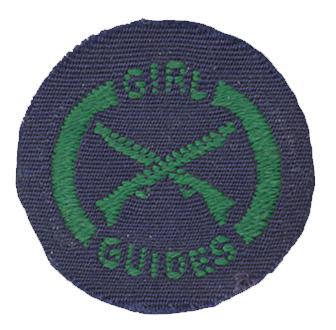
Rifle Shot (crossed rifles) (1910-c1941)
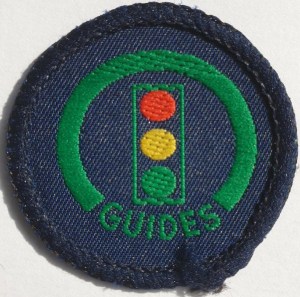
Road Safety (traffic lights) (1986-c2002)
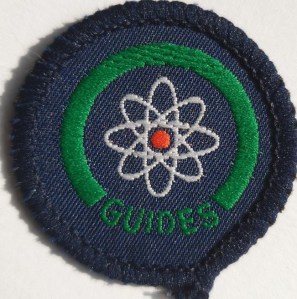
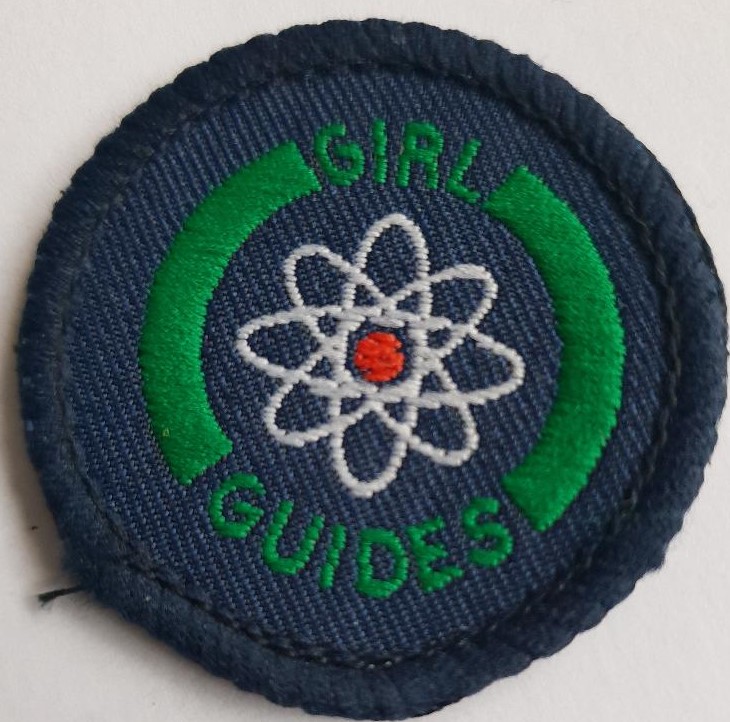
Science Investigator (red atom with white elipses) (1990-c2002)
Scottish Folk (spinning wheel, harp and Alba scroll) (1968-c2002)
Seasons (sun and cloud with raindrops) (1990-c2002)
Scribe/Secretary (crossed quills) (1910-c2002)
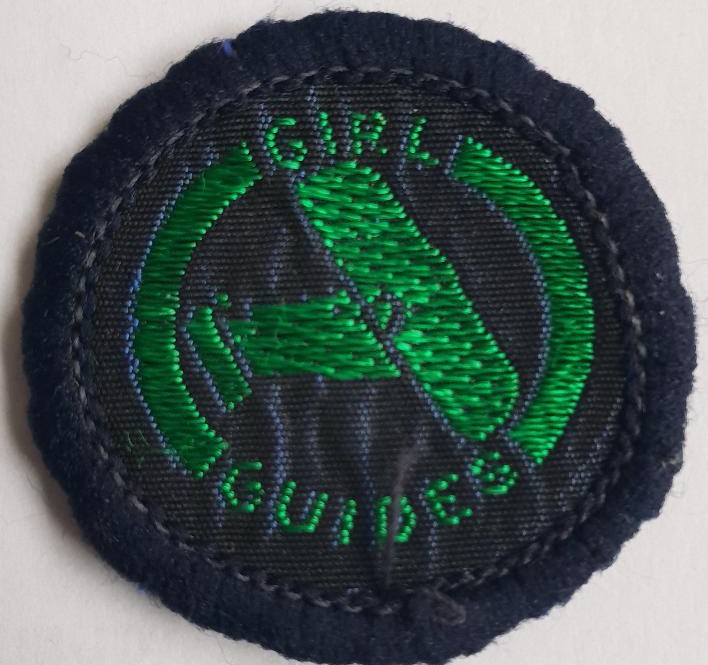
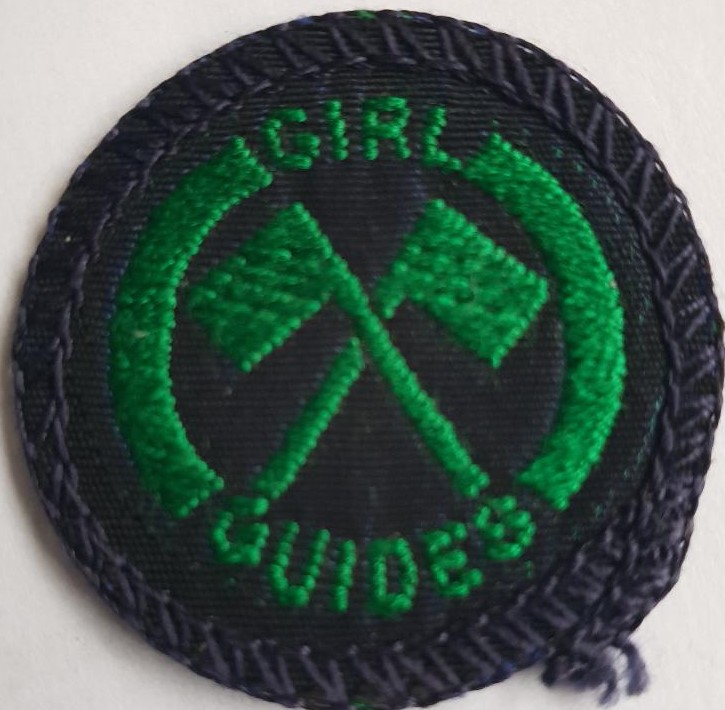
Signaller (crossed signalling flags) (1910-c1978)
Skater (a skate, later a girl skating in plain skirt facing right) (1924-c1978)
Skier (girl skiing downhill) (1974-c1990, became staged)
Singer/Chorister (stave with triplet note) (1922-c1978)
Speaker (girl behind table with microphone) (1968-c1995, became staged)
Spinner (distaff and spindle) (1928-c1978)
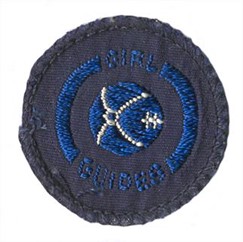
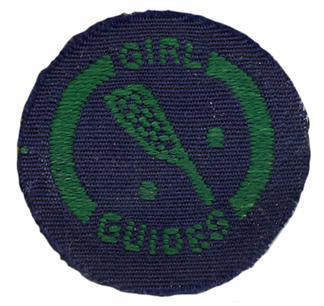
Sportswoman (lacrosse stick and balls, later basketball, later target) (1910-c1935, c1980-c2002)
Stalker (stag’s head) (1946-c1992)
Surveyor (ruler and dividers) (1910-c1932)
Swimmer (a lifebuoy, later figure swimming in waves) (1910-c2002)
Telegraphist (telegraph pole with wires) (1910 – 1932)
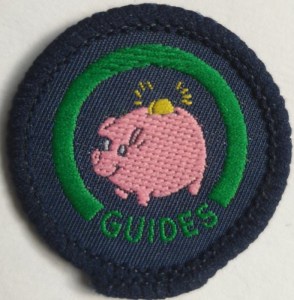
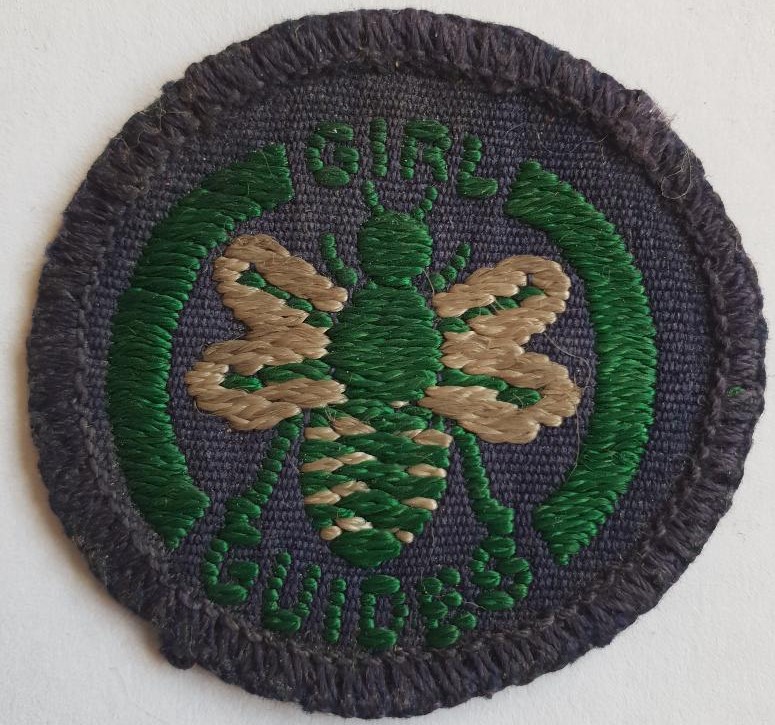
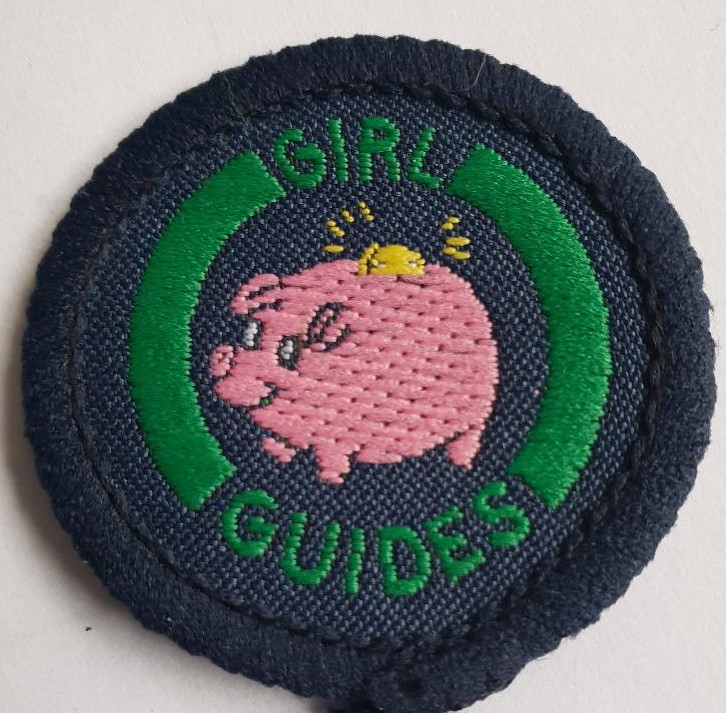
Thrift (bee, reintroduced as piggy bank) (1910-c1964, c1987-c2002)
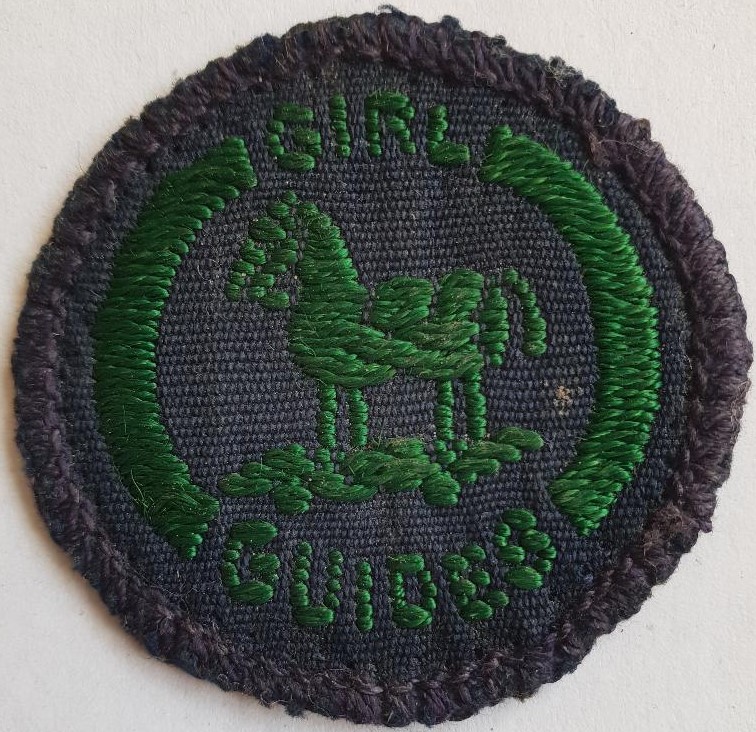
Toymaker (a wooden horse facing left) (1910-c2002)
Traveller (a steamer boat facing left on water) (1965-c1983)
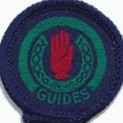
Ulster Folk (red hand in horseshoe) (1980-c2002)
Water Safety/Rescuer (red triangle) (1989-c1995, became staged)
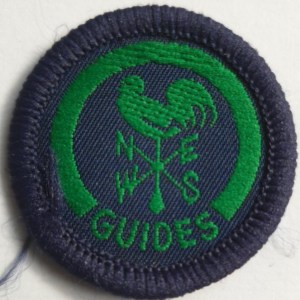
Weatherman (a weathercock on compass points) (1964-c1992)
Welsh Folk (a leek) (1936-c2002)
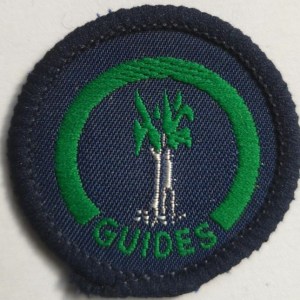
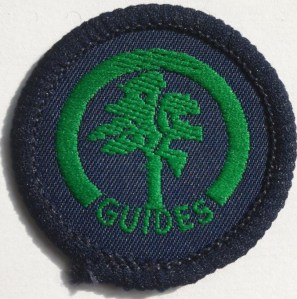
Woodman/ Forester (a tree) (1936-c1987)
World Cultures (black and white hands in handshake) (1995-c2002)
World Guiding (a trefoil) (1995-c2002)
World Issues (world split into jigsaw pieces) (1995-c2002)
World Traveller (footprints on black and white background) (1995-c2002)
Worldwide (a globe) (1995-c2002)
Writer/Authoress (a pen and ink) (1910-c2002)


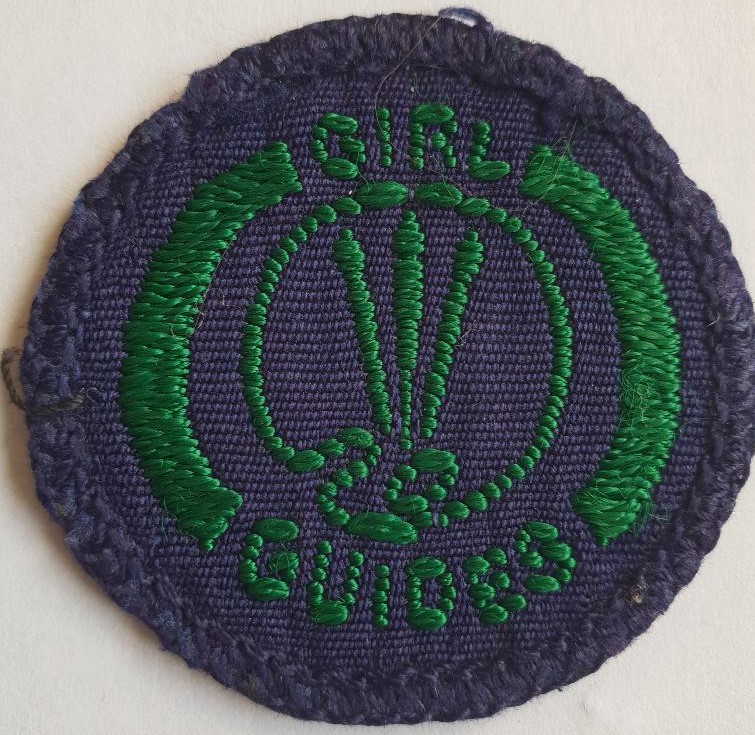
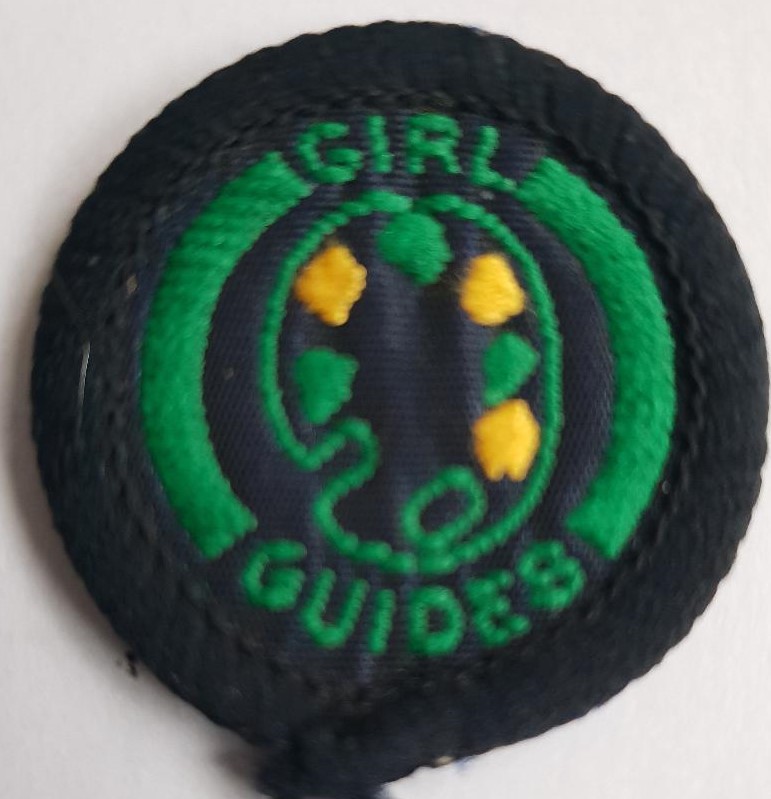
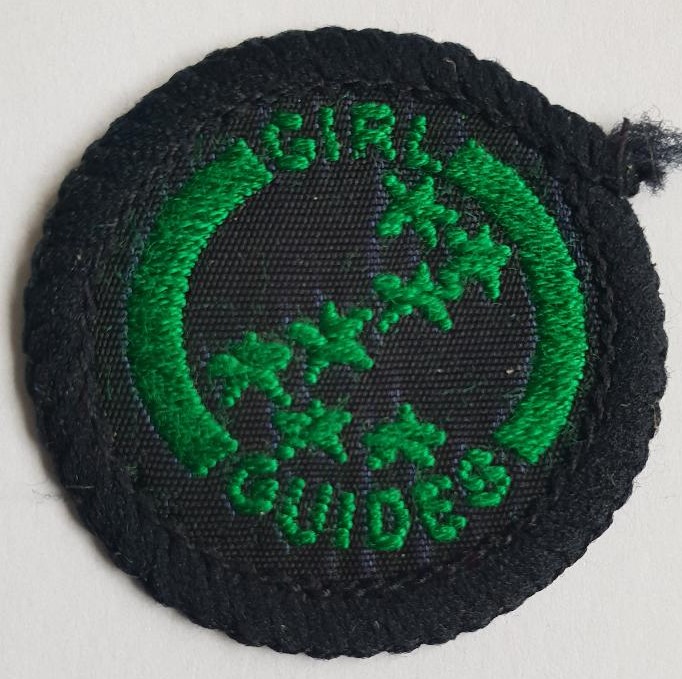


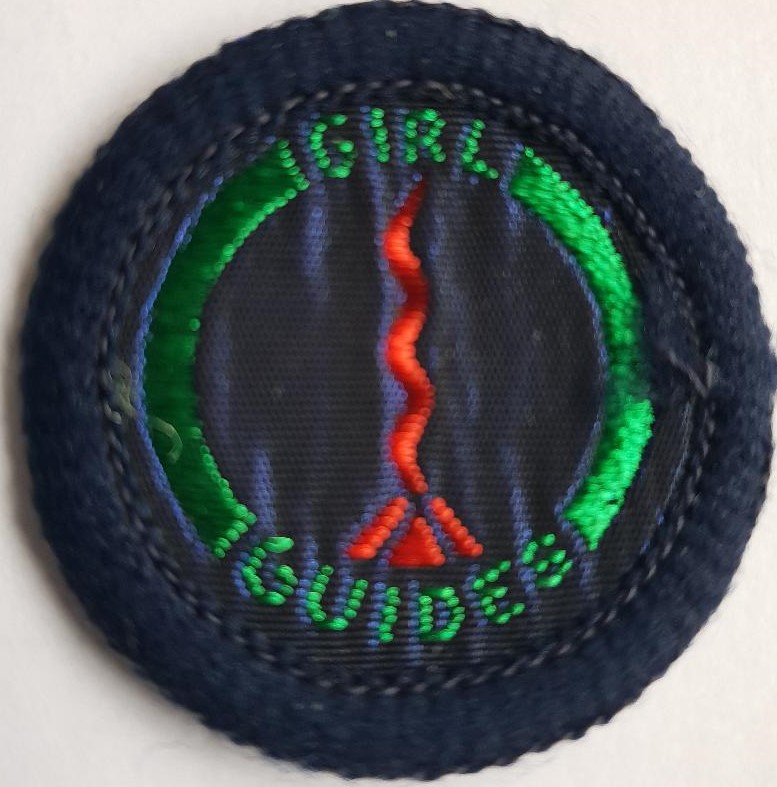





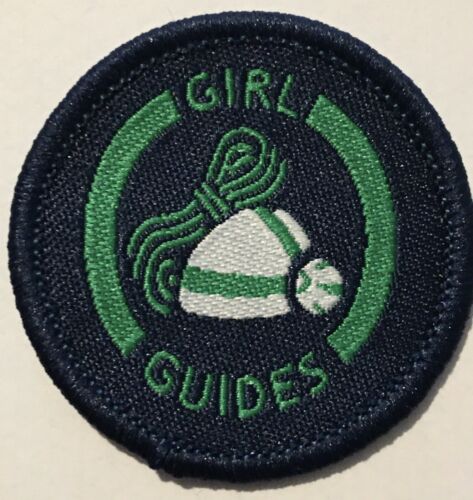










































2000-2018/19 Badges:
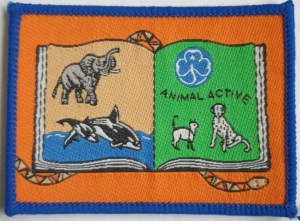
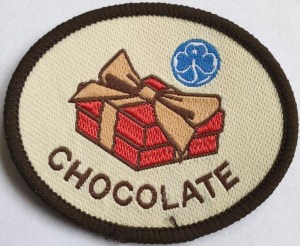
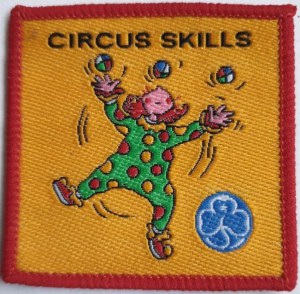
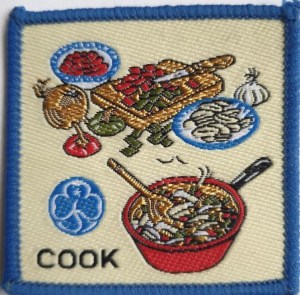
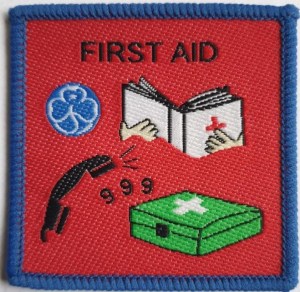
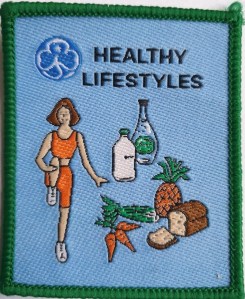
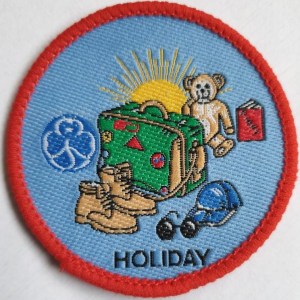
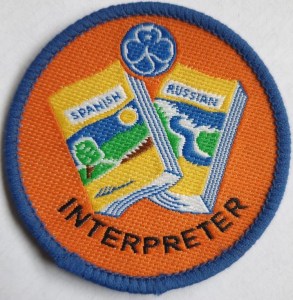
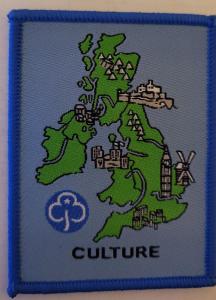
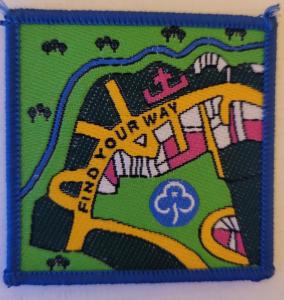
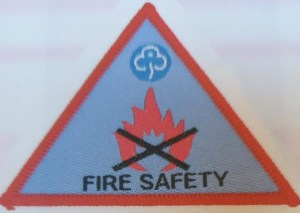
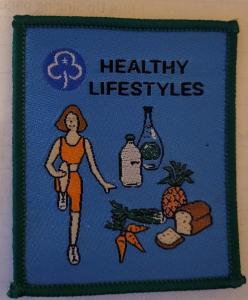
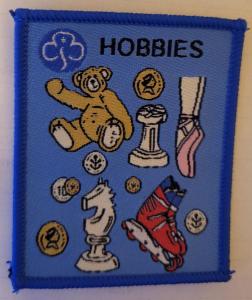
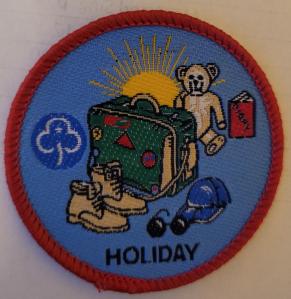
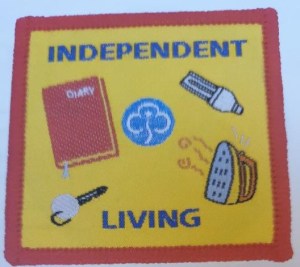
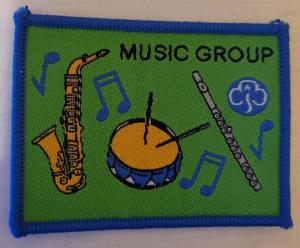
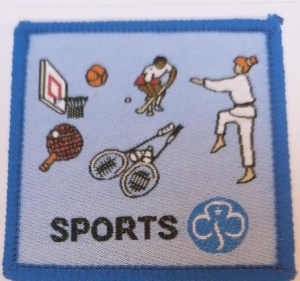
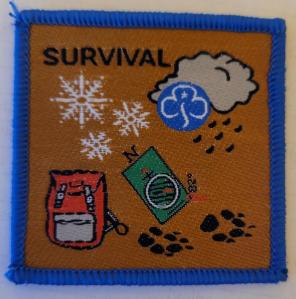
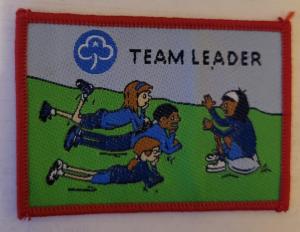
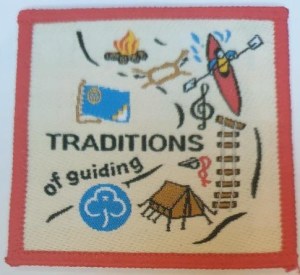
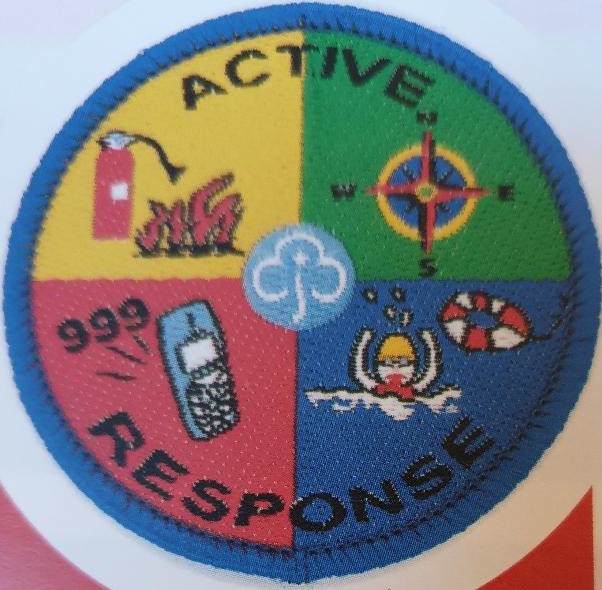
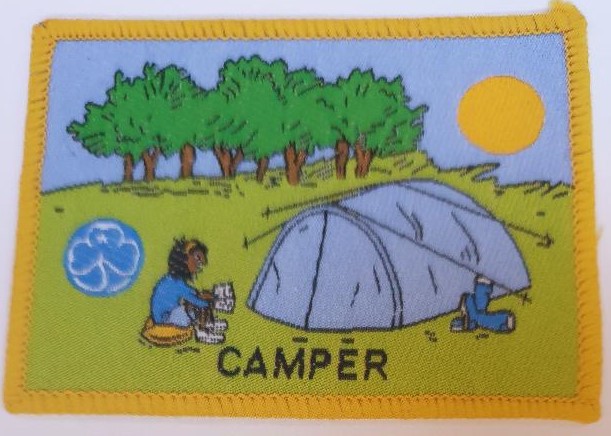
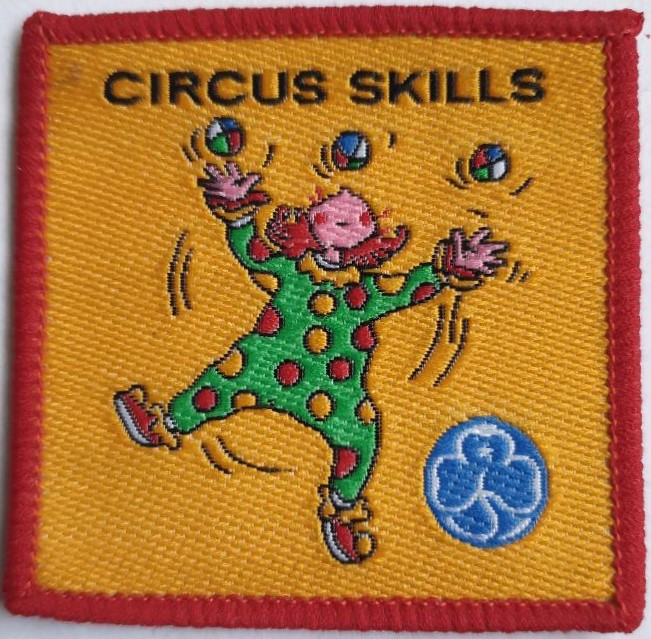
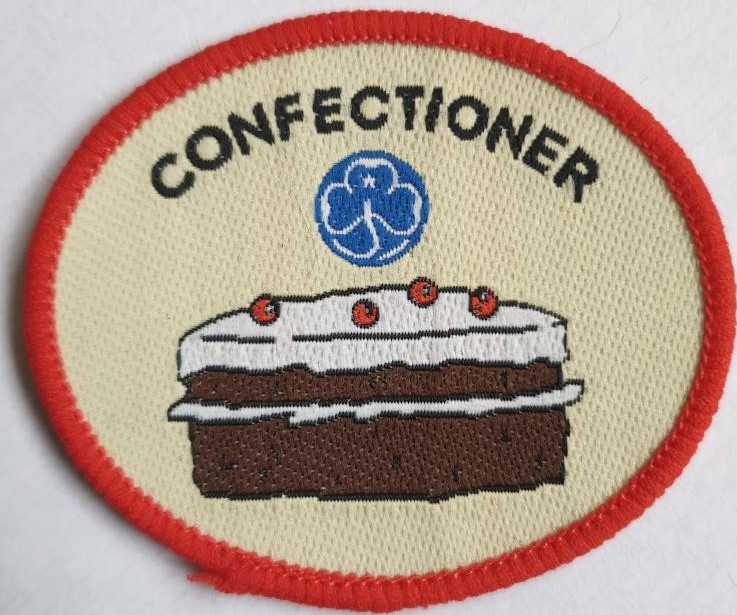
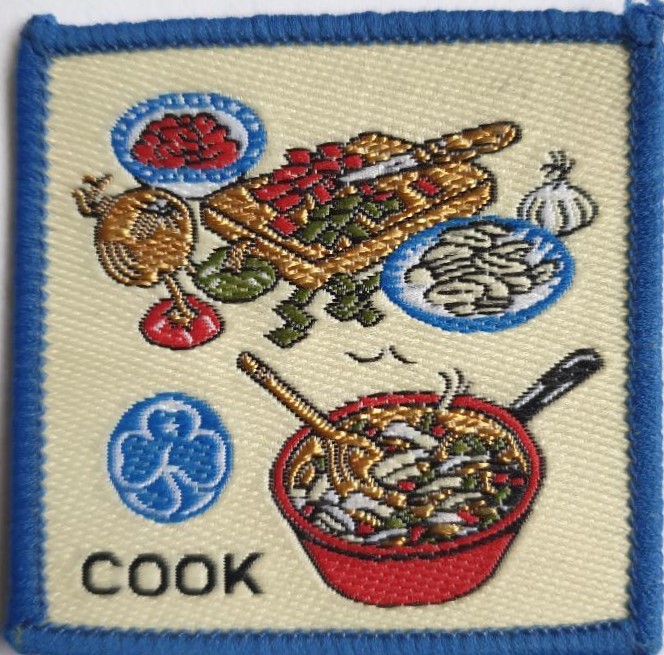
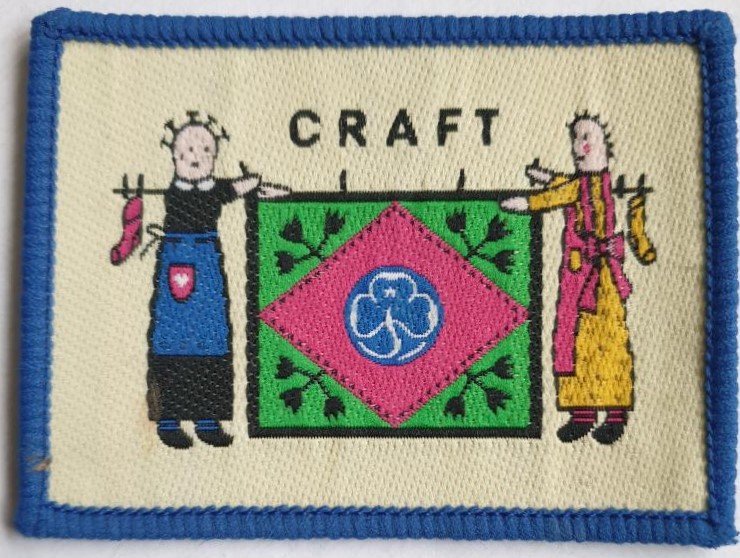
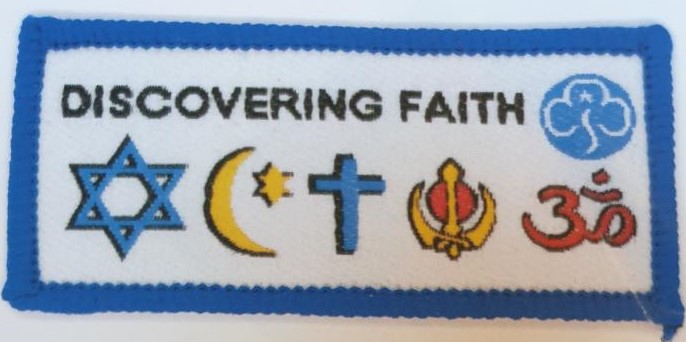
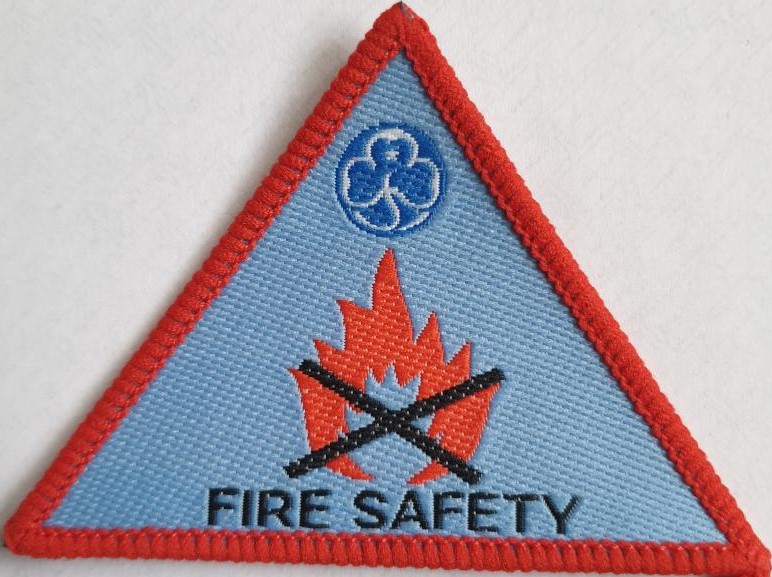
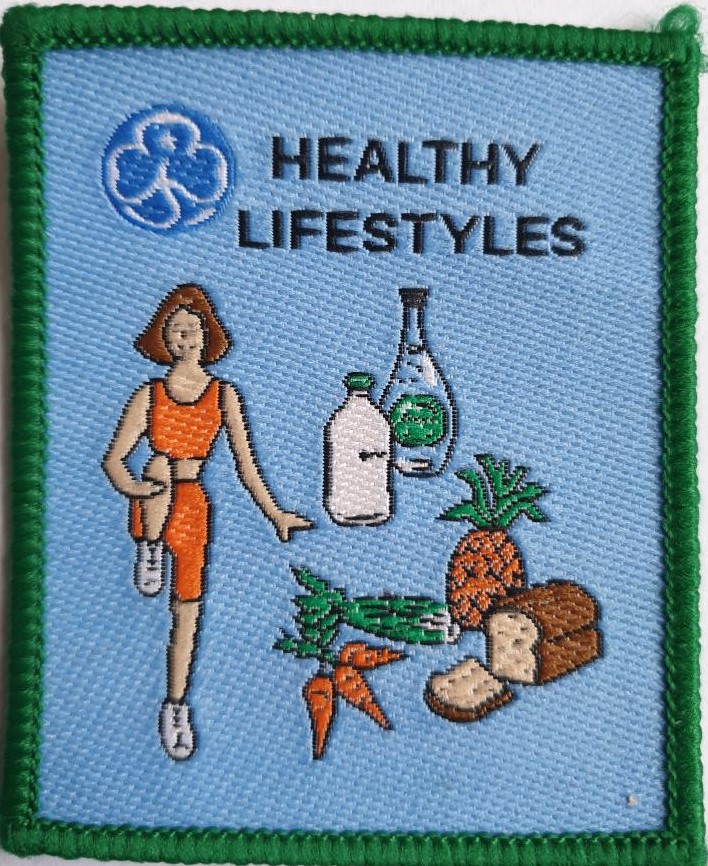
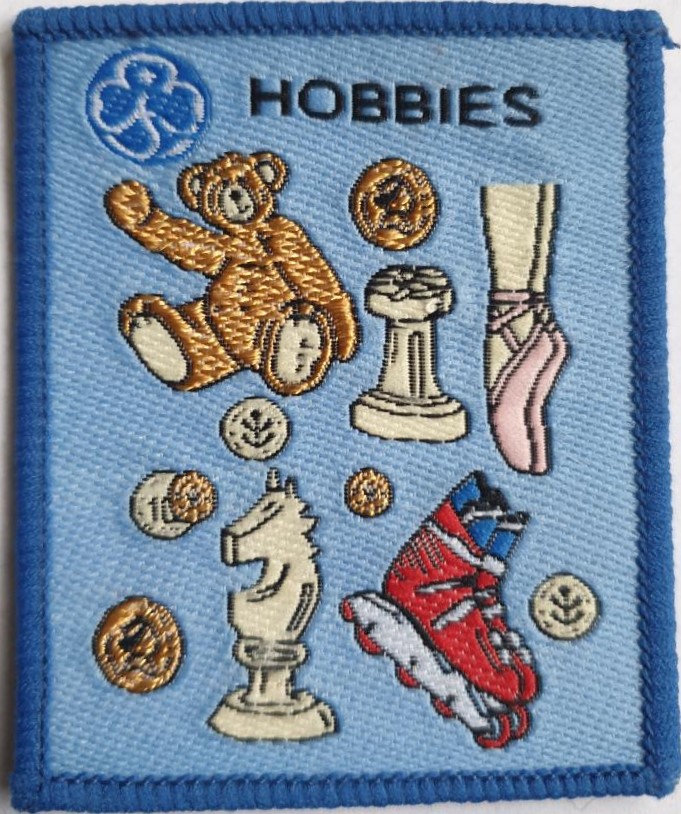
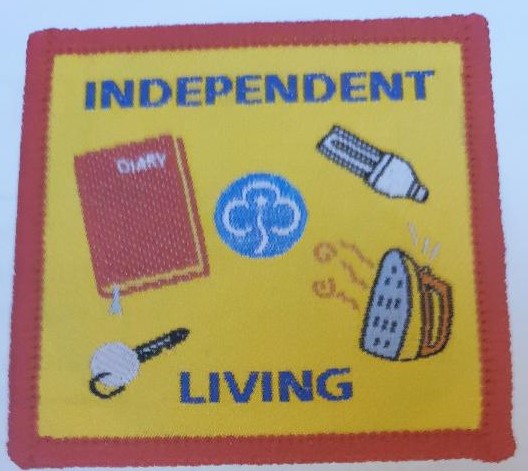
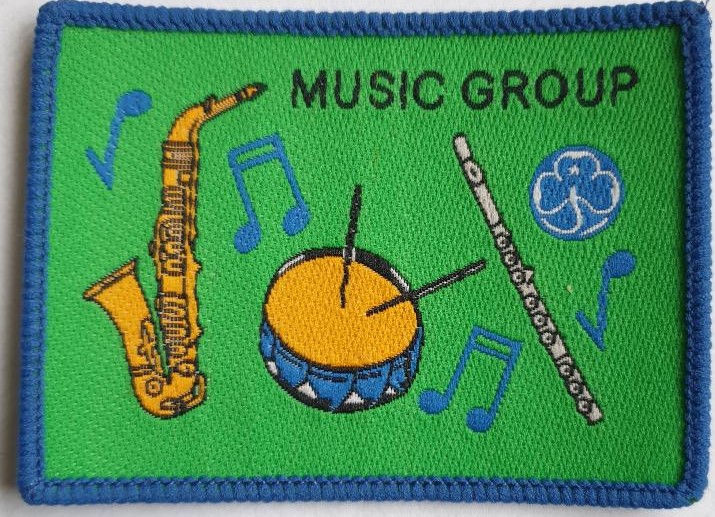
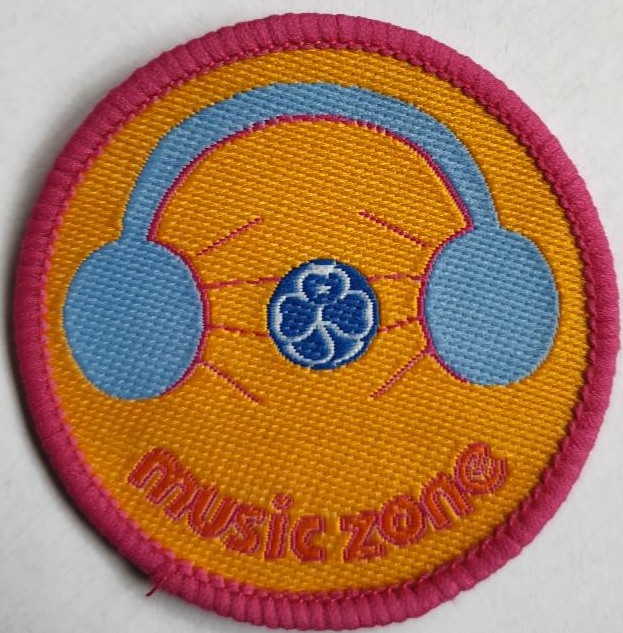
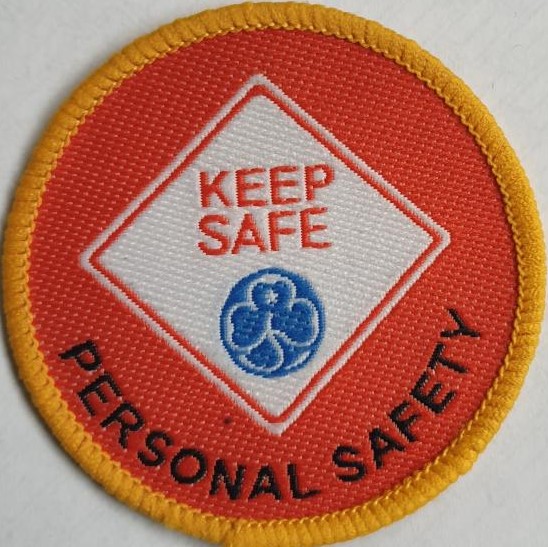
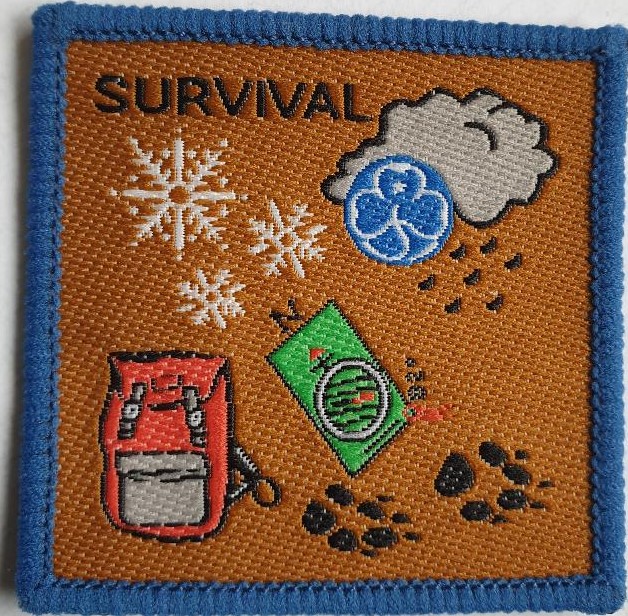
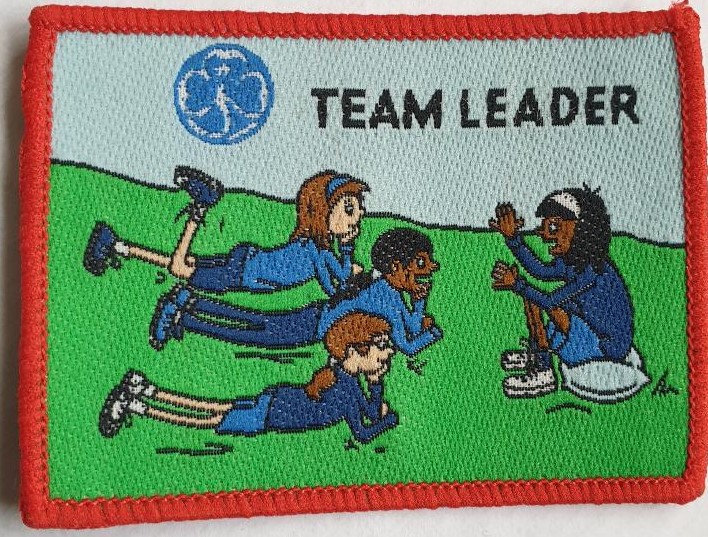
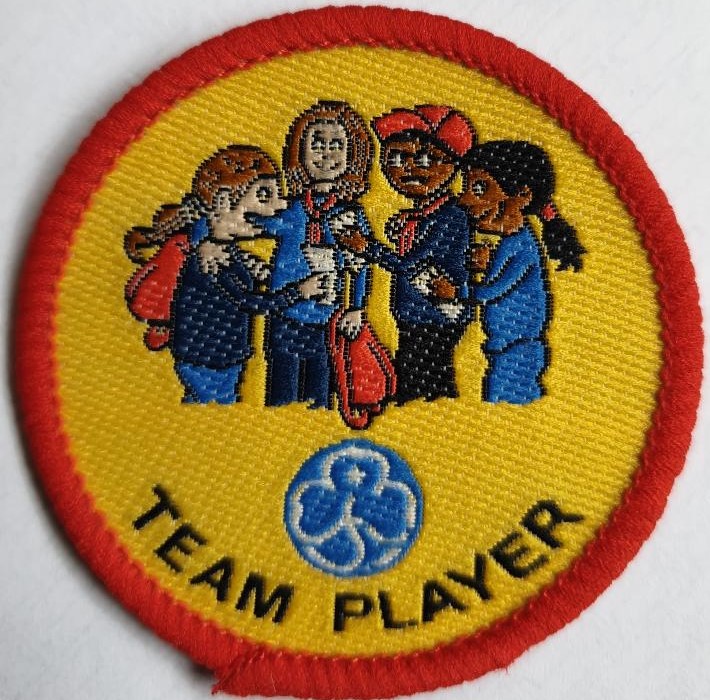
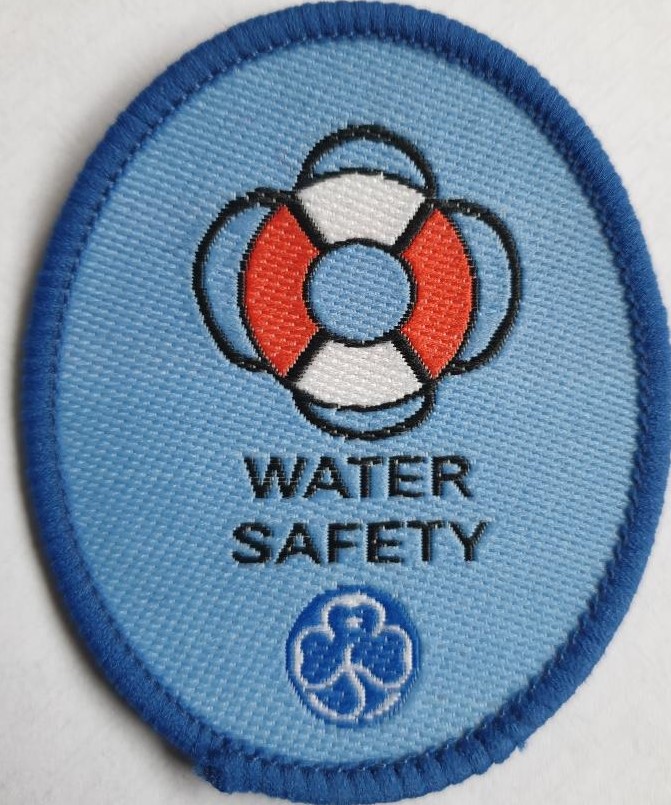
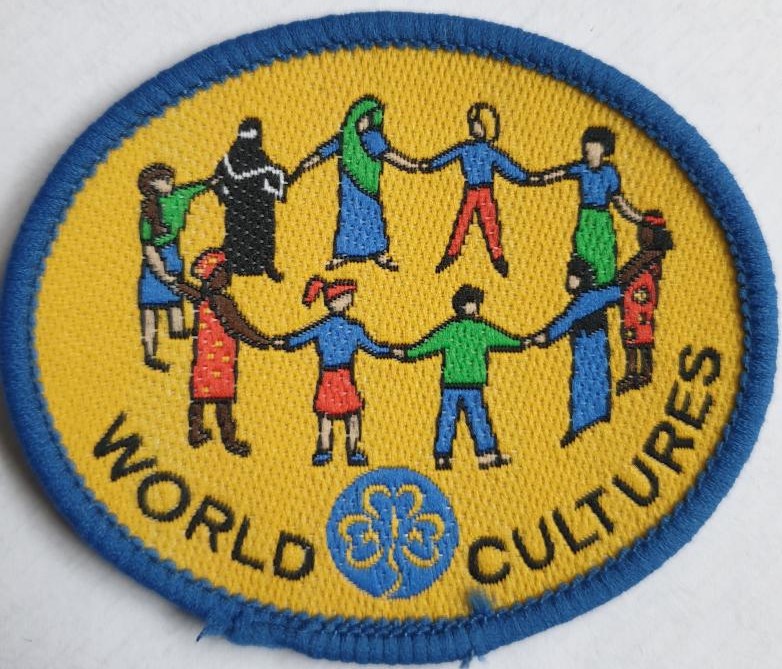
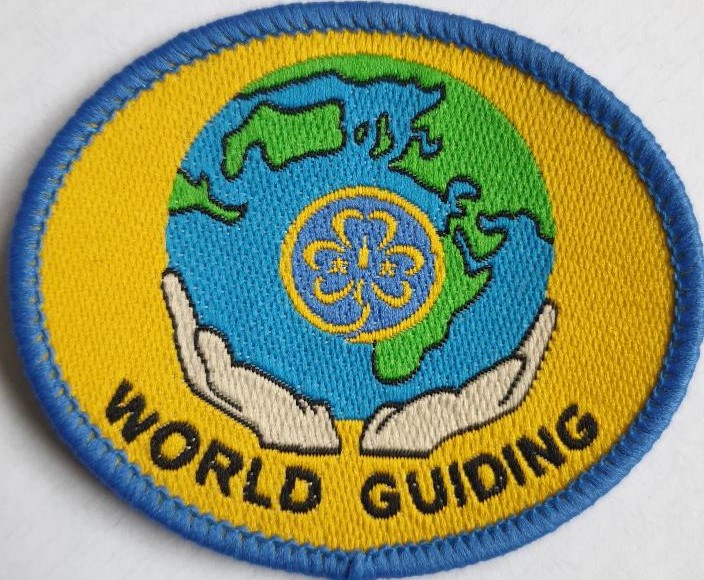
Active Response (2005), Agility (2000), Animal Active (2002), Camper (2000), Camper Advanced (2000), Chocolate (2001), Circus Skills (2000), Community Action (2000), Confectioner (2000), Cook (2000), Craft (2000), Culture (2000), Faith Awareness/Discovering Faith (2000), Film Lover (2000), Finding Your Way (2000), Fire Safety (2000), First Aid (2000), Healthy Lifestyles (2000), Hobbies (2000), Independent Living (2000), Interpreter (2000), Music Group (2000), Music Zone (2002), Outdoor Pursuits (2002), Party Planner (2000), Performing Arts (2002), Personal Safety (2000), Science (2005), Sports (2002), Survival (2000), Team Leader (2000), Team Player (2000), Traditions of Guiding (2000), World Cultures (2000) , World Guiding (2000) , World Issues (2000) , World Traveller (2000), Water Safety (2000)


















2019 onwards badges
Human Rights, Personal Brand, Aspirations, Guiding History, Photography, Vlogging, Confectionery, Media Critic, Fitness, Mixology, Natural Remedies, Meditation, Geocaching, Navigator, Whittling, Backwoods Cooking, Campaigning, Craftivism, Conscious Consumer, Be Prepared, Upcycling, Saver, Investigating, and Fixing.
In the summer of 2025 new Guide interest badges are due to be introduced, and at the same time, the design of the badges will all be changed. The new designs appear to have the central area in the blue section colour, with only the binding of the badge in theme colour.
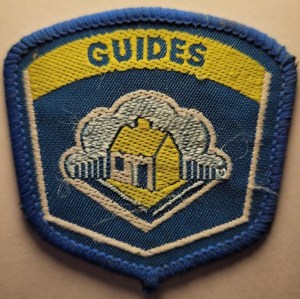
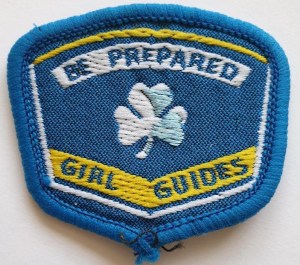
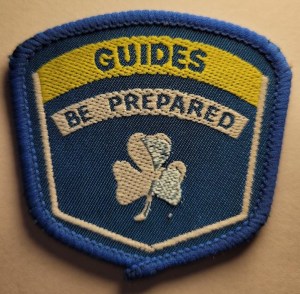
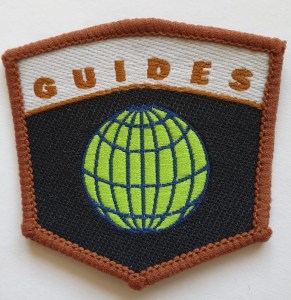
For many years, ‘collective emblems’ were available, earned for earning a certain number of badges on a particular theme. The first of these was the ‘Little House’ badge, the design of which was based on the playhouse given to the young Princesses Elizabeth and Margaret by the people of Wales; it was worn on the sleeve. The Woodcraft emblem came next, and showed a tree on an elongated ‘house-shape’ badge, and was worn on the top of the shoulder. Post-1968, the badges were of a standardised shape and design on a mid-blue background, and were all worn in the same position on the sleeve. They were withdrawn in 2000 with the introduction of the new programme.
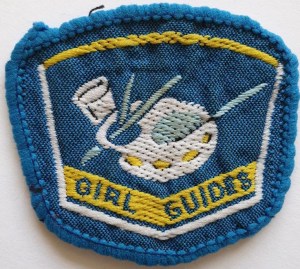
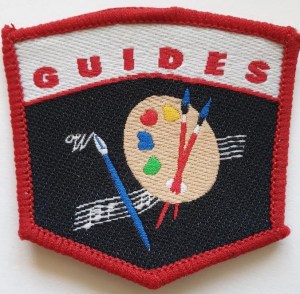





Arts & Crafts (1968)
Woodcraft (1947)
Fitness (1968)
Science & Technology (1980s)
Service (1968)
World Friendship (1968)
Patrol Purpose Patches were awarded where a Patrol took on and carried out a special project of some sort together, approved by their Guider – the criteria regarding what sort of projects could count towards the Patrol Purpose Patch were extremely flexible, as was the scale and the timespan of the project to be carried out, so a large number of these badges were awarded.

In addition to this, Guides who were experienced campers were able to work for a special qualification, the Patrol Leader’s Permit, later renamed the Patrol Camp Permit. This was a special qualification which allowed an experienced Guide to take a group of her fellow Guides away on a Guide camp without any adults being immediately at hand, and to plan and run every aspect of the camp by themselves. It was first introduced in 1941, during World War II, when many Guides were not getting the opportunity to camp due to lack of available adults, and it is still gained by many Guides across the UK today.
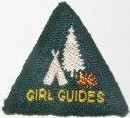

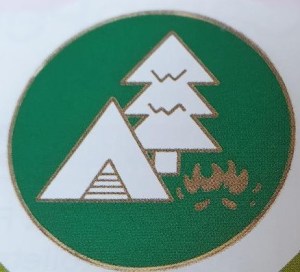

From 1991 until around 2000, Guides were also able to work on all the ‘Staged’ interest badges, as mentioned in the Brownie Badge section above. The idea of staged badges was that they covered hobbies which different individuals might start to learn or take up at different ages – so any individual could tackle the stage appropriate to her progress in the hobby, there was no need to do stage 1 if an individual felt ready to tackle a later stage straight away, nor any problem with a Guide or SS member tackling stage 1 if the hobby was recently started and that reflected her progress in the hobby to date. Where staged badges were introduced, they tended to replace the related Guide interest badge, which was withdrawn.
From 1910 to 1968, after enrolment, Guides worked for their Second Class badge. There were a number of set challenges to be completed, and these could be tackled gradually. Once completed, the Second Class badge was awarded, and the Guide could commence working for First Class.

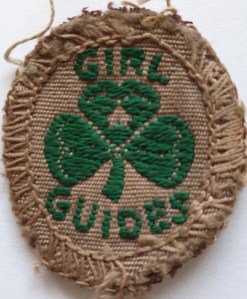
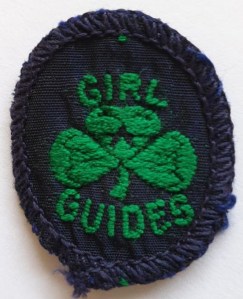
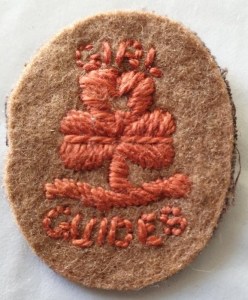

Special First Class badges were also available for certain scenarios. The Green First Class Badge was available to girls who could fulfil every part of First Class except the badge regarding swimming (either for health reasons or lack of facilities). The Blue or Mauve First Class Badge was for members of Extension Units.



Extension Interest Badges
From Guiding’s earliest days, disabled members were welcomed into Guiding. Guide Companies were set up in hospitals and residential schools specifically to cater for them. And Lone Guides were open to those who were housebound – and in that era, those who weren’t physically able to attend a mainstream school were not catered for.
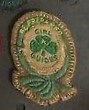
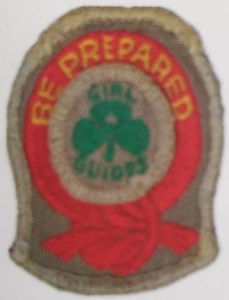
The section specifically for physically disabled Guides was called the Extension Section, because it ‘extended’ Guiding to girls who otherwise wouldn’t have accessed it. And it offered them a rare chance to be just like other girls. Extension Guides could work for ordinary interest badges, but they also had a special range of badges. Initially these were stitched in lilac thread; by the late 1930s this had changed to blue thread.
The badges known to be available in Extension colours included: Ambulance (a red cross), Beekeeper (a beehive), Birdwatcher (a bird in flight), Boatswain (an anchor), Braille (letter A in braille), Brushmaker (a brush head), Camper (a bell tent), Collector (a magnifying glass), Cook (a gridiron), Gardener (a flowering plant), Handcraft (a spider web), Homemaker (crossed keys), Hostess (a cup and saucer), Language for the Deaf (a crossed key and flaming torch), Netter (crossed shuttles above ball of twine), Observer (an eye), Potter (a lidded vessel), Poultry Farmer (a cockerel’s head), Sick Nurse (a white cross), Sportswoman (a panelled ball), Thrift (a bee). But others may well have existed.
Ranger Interest Badges
From the founding of the Ranger Section, through to c1943, a certain number of interest badges were available to Rangers. These were produced in the same style as the Guide interest badges were, with the early designs basically being the same designs as the Guides had, but having a red circle around the logo instead of blue. During World War I many badges were handmade, or Guide badges were overstitched with a red edging to indicate it was intended as a Ranger badge, due to the shortages and comparative rarity of Rangers as compared to Guides. During the 1920s, as with Guide interest badges, a change was made to a navy felt background, the Ranger badges having all-red stitching. (in order to reinforce them, the Ranger would often oversew the felt edges of the badge too).
Ranger interest badges moved to a woven format in the mid-1930s. It should be borne in mind that some of the Ranger badges which are listed as being introduced in 1939, though they appeared in “Policy, Organisation and Rules” for that year, may never have actually been manufactured, given that shortly after they were announced, manufacture would have started to be disrupted by wartime shortages and priorities, the limited demand for some topics, the disruption of war which meant many Rangers soon had most of their spare time occupied by war work and community service, and the withdrawal of all Ranger interest badges by c1943, replaced by certificates.
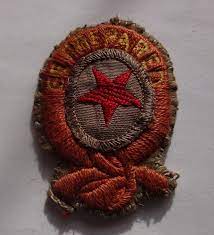
As well as this, Rangers who had not done so as Guides were able to work for their Second Class, First Class and All-Round Cords. The Ranger Second Class badge was sewn with red thread rather than green, and the Ranger All-Round Cords were in red and white, rather than in blue and white.
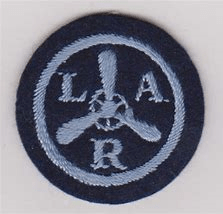
Because interest badges for the Ranger age group were discontinued before Air Rangers started, it can be assumed that there were no general interest badges produced for them, although specialist Air Ranger awards exist in pale blue thread, such as the Leading Air Ranger badge.

Interest badges were not available to Cadets as they followed a separate Cadet programme focussed on training for leadership – and for large parts of their existence were considered a branch of the adult programme rather than part of the youth programme, until the creation of Senior Branch. They did, however, have the Cadet Second Class or Cadet Star for part of their existence.
Interest Badges (dates of introduction, or when they were known to exist, in brackets – for many this is not confirmed or available, and work is still being done)
Ability (a camp fire) (c1939-1943)
Air Mechanic (1917-?)
Air Woman (an aircraft) (c1939-1943)
Architect/Town Planner (a stone arch) (c1921-c1943)
Artist/Art Lover (a framed picture) (c1921-c1943)
Arts & Crafts (palette and brushes) (c1921-1943)
Astronomer (stars) (c1935-1943)
Authoress/Writer (pen and ink) (c1939-1943)
Beauty Lover (scales) (c1939-1943)
Bellringer (bell on bar) (c1939-1943)
Bookbinder (book and tool) (c1921-1943)
Book Lover/Reader (two books stacked) (c1921-1943)
Braille (six braille dots) (1925-c1943)
British Commonwealth & Empire (c1923-1943)
Campcraft (a bell tent) (c1921-1943)
Choral (Patrol) (blackbirds and pie) (c1921-c1927)
Citizen (senatus populus que Britannicus) (c1921-1943)
Clerk (c1917-c1922)
Current Events (globe with radio flashes) (1939-c1943)
Dairymaid/Landworker/Milkmaid (milking stool) (1917-c1943)
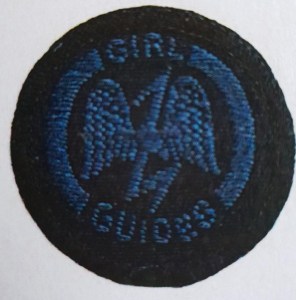
Decoder (lightning bolt between wings) (1931-c1943)
Domestic Service/Housecraft (brush and dustpan) (1928-c1943)
Dressmaker/Needlewoman (open scissors) (1917-c1943)
Economist/Thrift (bee) (1922-c1943)
Embroidress Senior (a lion rampant) (1921-1943)
Electrical Engineer/Electrician (a streak of lightning) (1921-c1928)
Empire Knowledge (a lion facing left) (1928-c1943)
Explorer (a compass rose) (1935-c1943)
Farmer (a hand sickle) (1917-c1943)
Figure Skater/Skater Senior (a skate) (1939-c1943)
Finisher/Laundress (an iron) (1917-c1943)
First Aid (a red cross) (1917 – c1943)
First Class Cook/Cook Senior (a gridiron) (1917-c1943)
First Class Knitter/Knitter (c1923-c1943)
First Class Signaller/Signalling Transmitter (1917-c1943)
Folk Dancer Senior (figure dancing with crossed legs) (1928-c1943)
Geologist (crossed pick and shovel) (1928-c1943)
Home Emergency Service (HES) (WWII)
History Student (an hourglass) (1939-c1943)
Homecraft/Housekeeper/Matron (crossed keys) (1921-c1943)
Horticulturist/Gardener (round-petal flower with two leaves) (1921-c1943)
Hospital Nurse/Nurse/Nursing Sister (green cross) (1917-c1943)
House Surveyor (a cottage) (1921-c1943)
Instructor (1928-c1943)
International Knowledge (1932-c1938)
Interpreter/Linguist (two hands in handshake) (1921-1943)
Interpreter to the Deaf (hand with vowels above each finger (1935-c1943)
Knitter (1931-c1943)
Leatherworker (belt and tool) (1921-c1943)
Lifesaver/Rescuer (rowing boat, later lifebuoy) (c1923-c1943)
Local Knowledge (church tower and tree) (1921-c1943)
Mariner (compass rose with fleur de lys pointer) (1932-c1943)
Milliner (1923 – 1931)
Minstrel/Musician Senior (a lyre) (1921-c1943)
Motorist (wheel with wings) (1917-c1943)
Nature Lover/Naturalist (three flowers) (1921-c1943)
Physical Training (girl climbing rope) (1939-c1943)
Player/Stagecraft (a mask) (1932-c1943)
Printer (printing press) (1935-c1943)
Probationer/Sick Nurse (white cross) (1917-c1943)
Public Health (Florence Nightingale lamp) (1928-c1943)
Rifle Shot (withdrawn 1932)
Samaritan (a lantern) (1939-c1943)
Scribe/Secretary (crossed quills) (1923-c1943)
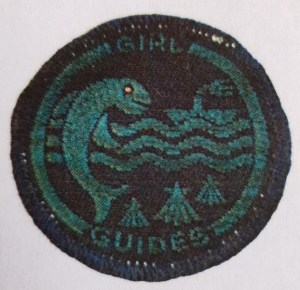
Sea Lore (fish boat and waves) (1935-c1943)
Senior Athlete (girl skipping) (1939-c1943)
Signaller/Signalling First Class/Signalling Transmitter (crossed flags) (1921)
Skater Senior (c1932)
Surveyor (dividers and rule) (1935-c1943)
Telegraphist (1917 – 1932)
Textile Weaver/Textile Worker (shuttle) (1917-c1943)
Thrift (1917-c1943)
Toycraft/Toymaker (a toy horse) (1928-c1943)
Water Naturalist (a crab) (1939-c1943)
World Citizen (key between two hemispheres) (1929-c1943)
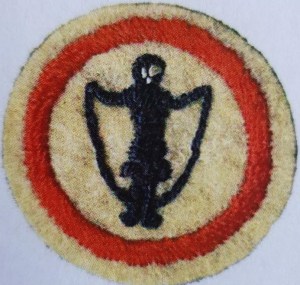
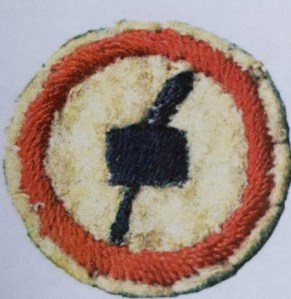
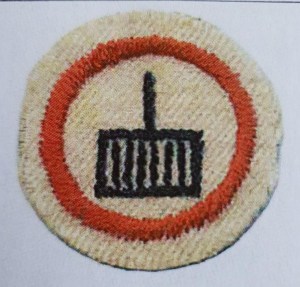


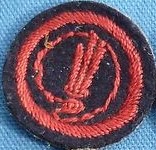
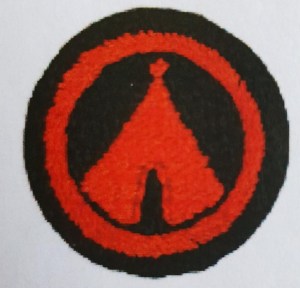
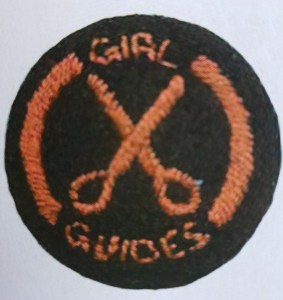
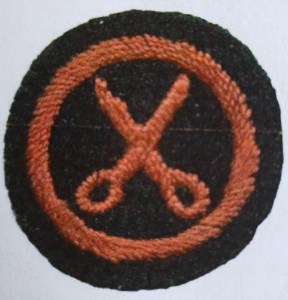


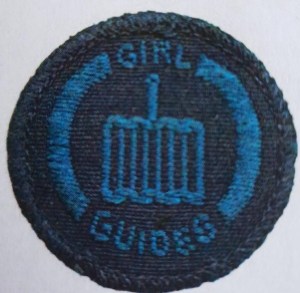
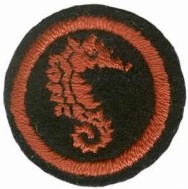
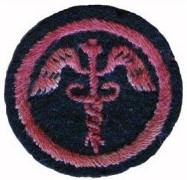
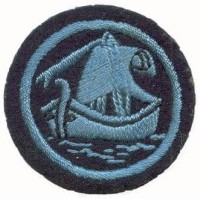
Ranger Proficiency Badges were also open to Sea Rangers as well as Land Rangers. But with so much of the Sea Ranger programme focussed on practical boating in summer and boat maintenance in winter, along with other nautical skills, they seem to have been less commonly done. Where Sea Rangers gained Proficiency Badges, they received badges stitched in blue thread rather than red. Some examples are:

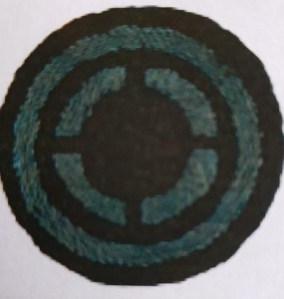

Trade Badges
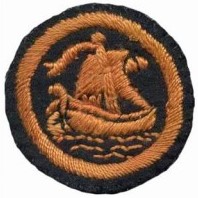
As many Rangers were taking up professional work, a range of badges were introduced to indicate which area of employment a Ranger had taken up, provided they had reached an appropriate standard of proficiency. These were: Commercial (1923), Homecraft (1923), Manufacturer (1923), Outdoor Work (1923), Professional (1923), Science & Trade (1923), Technical (1926)





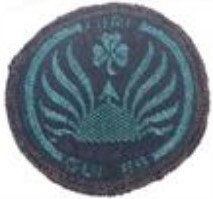
During the 1990s, Senior Section members were able to work on the ‘Staged’ interest badges, as shown in the Brownie Badge section above. I am not sure whether this has ever officially been withdrawn, however as the badges themselves stopped being sold in the early 2000s, it must be assumed that this option ceased to be available as stocks ran out.
In July 2018 with the launch of the new Ranger programme, a set of Interest Badges was launched, linked to the 6 Theme areas. The badges were: Women’s Rights, Morals and Values, Genealogy, Blogging, Animation, Costumes, Sports, Cooking, Self-care, Festival Goer, Travel, Bushcraft, Protesting, Volunteering, Voting, Event planning, Entrepreneur, and Digital design.
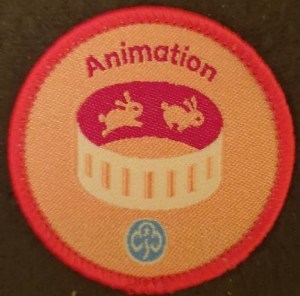
Ranger Animation badge 
Ranger Blogging badge 
Ranger Bushcraft badge 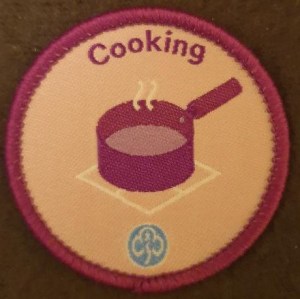
Ranger Cooking badge 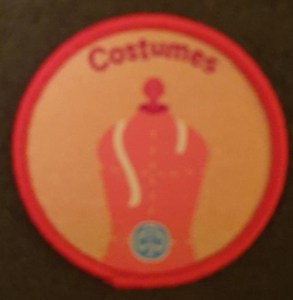
Ranger Costumes badge 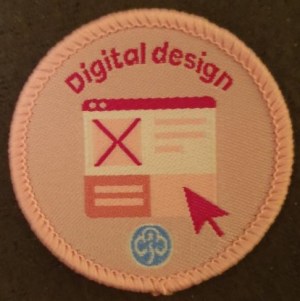
Ranger Digital Design badge 
Ranger Entrepreneur badge 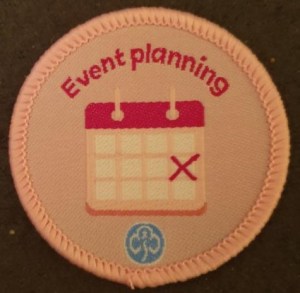
Ranger Event Planning badge 
Ranger Festival Goer badge. 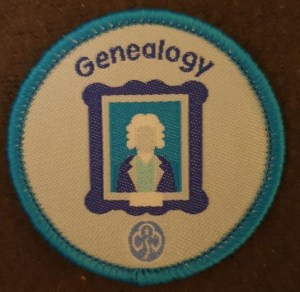
Ranger Genealogy badge 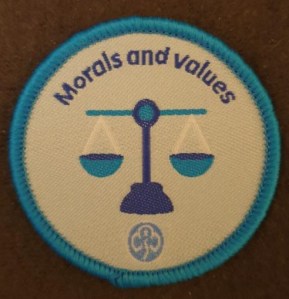
Ranger Morals and Values badge 
Ranger Protesting badge 
Ranger Self Care badge 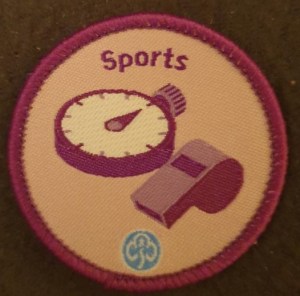
Ranger Sports badge 
Ranger Travel badge 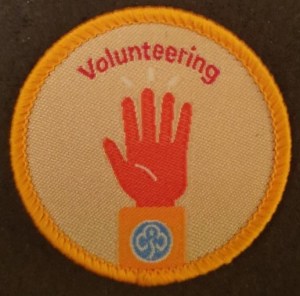
Ranger Volunteering badge 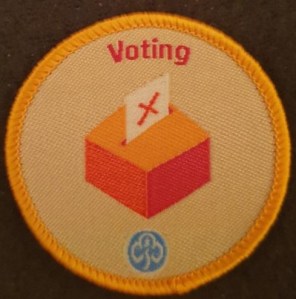
Ranger Voting badge 
Women’s Rights badge
In the summer of 2025 new Ranger interest badges were introduced to supplement the existing rang. These had the central area in the new purple section colour as in the Ranger Promise Badge, with only the binding of the badge in theme colour. The new badges were: Booktivist, Calm Spaces, Challengers, Chef, Creative Writing, Environment, Fandoms, Gardening, Guiding World, Interests, Life Skills, Micro-Adventures, My Health, My Say, Nostalgia, Personal Style, Wanderer, and Wildlife.
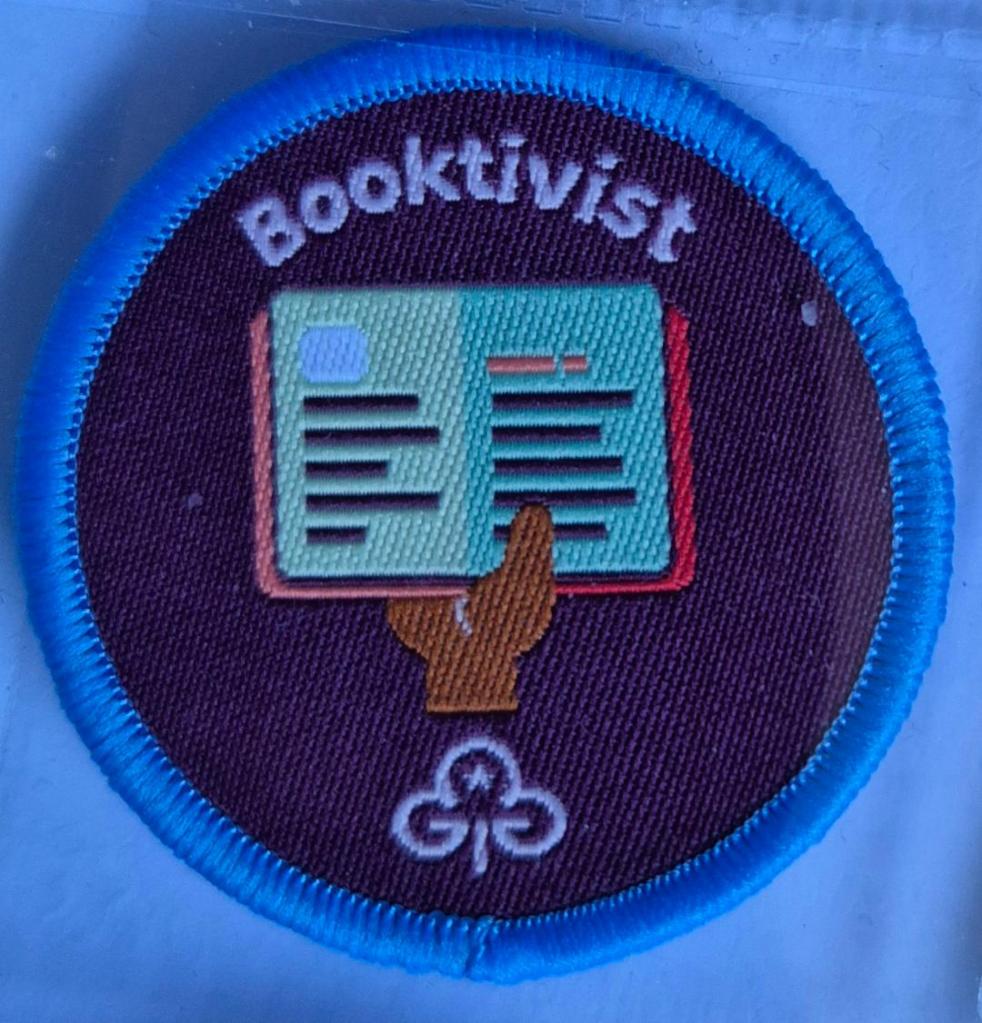
Ranger Booktivist badge 2025 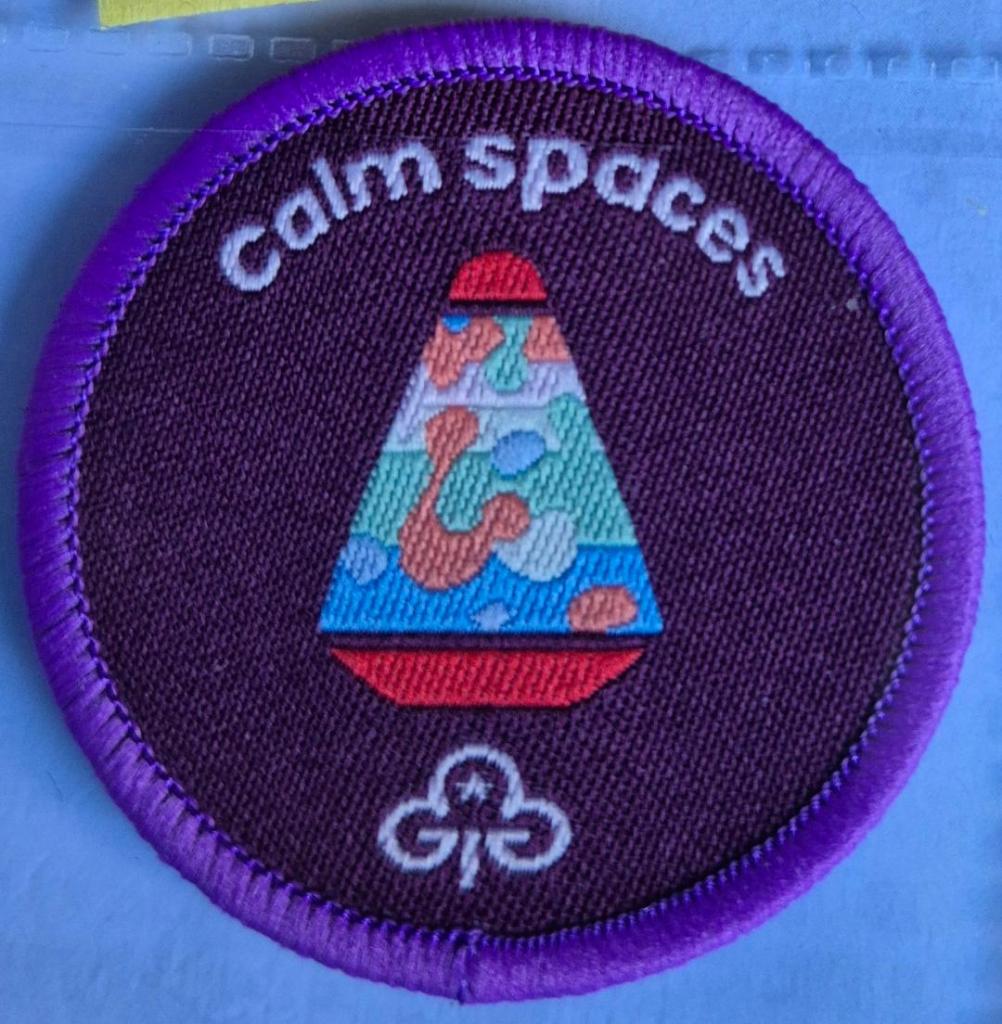
Ranger Calm Spaces badge 2025 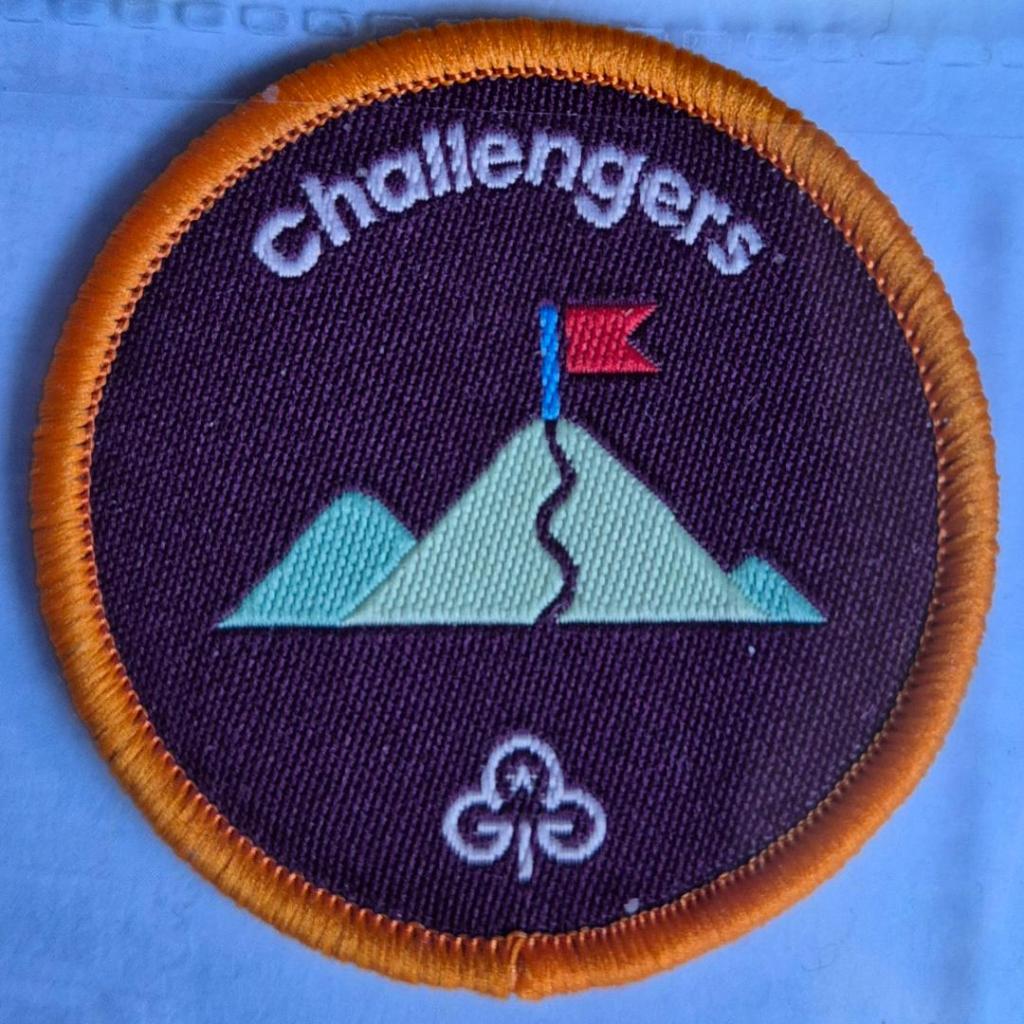
Rangers Challengers badge 2025 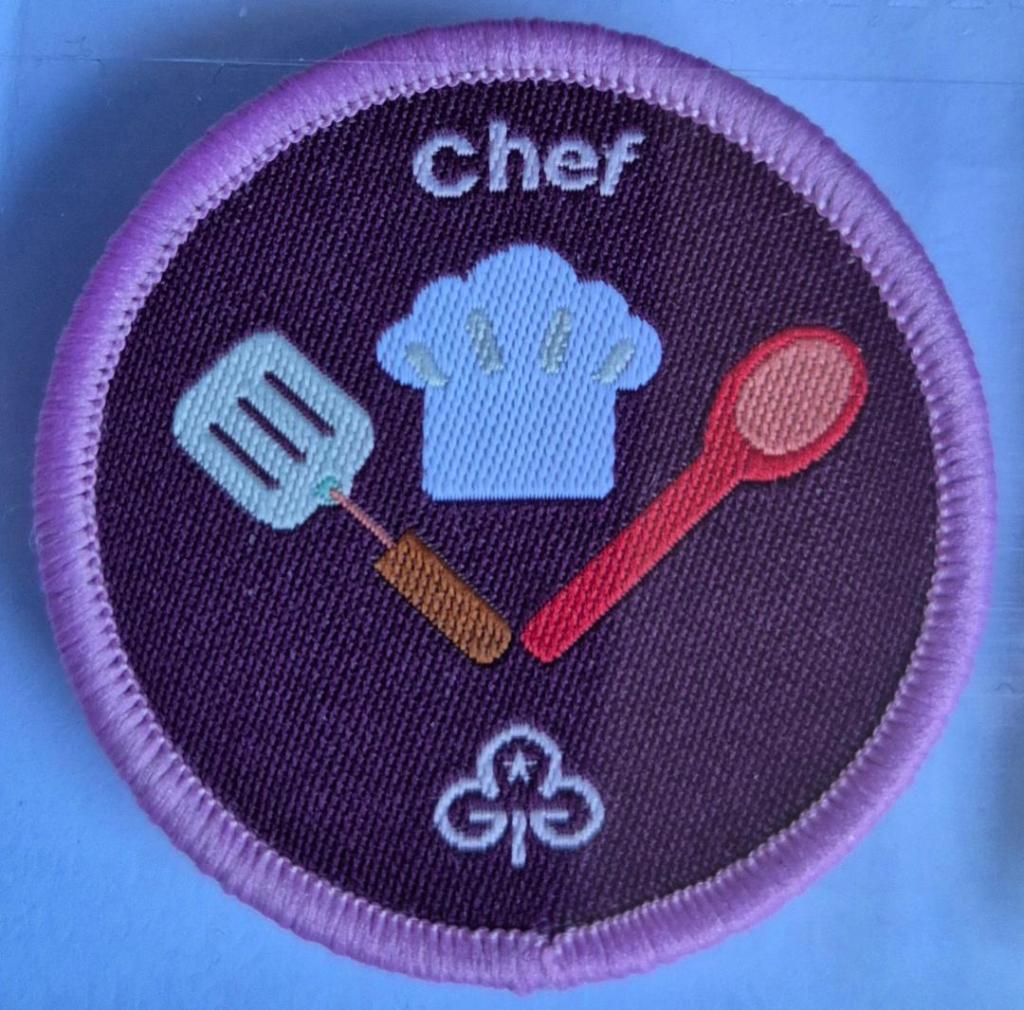
Ranger Chef badge 2025 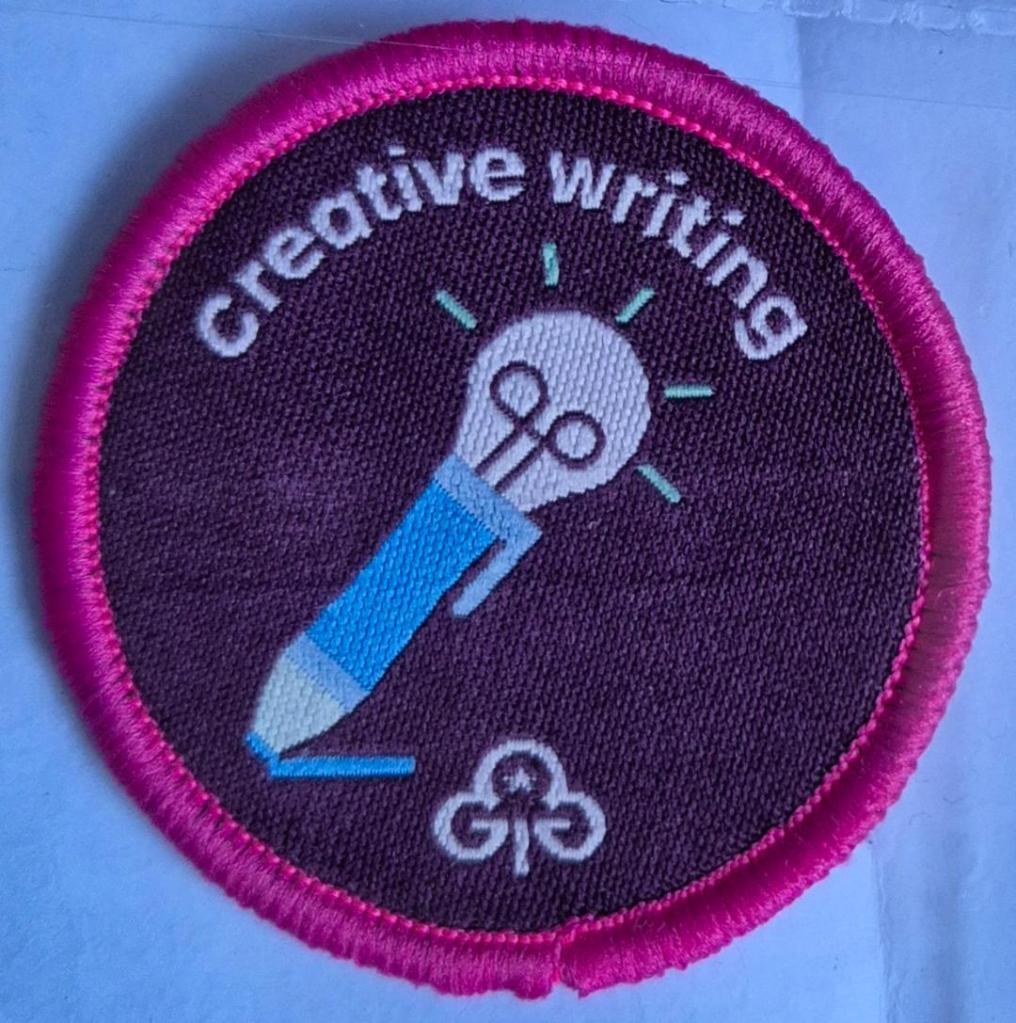
Ranger Creative Writing badge 2025 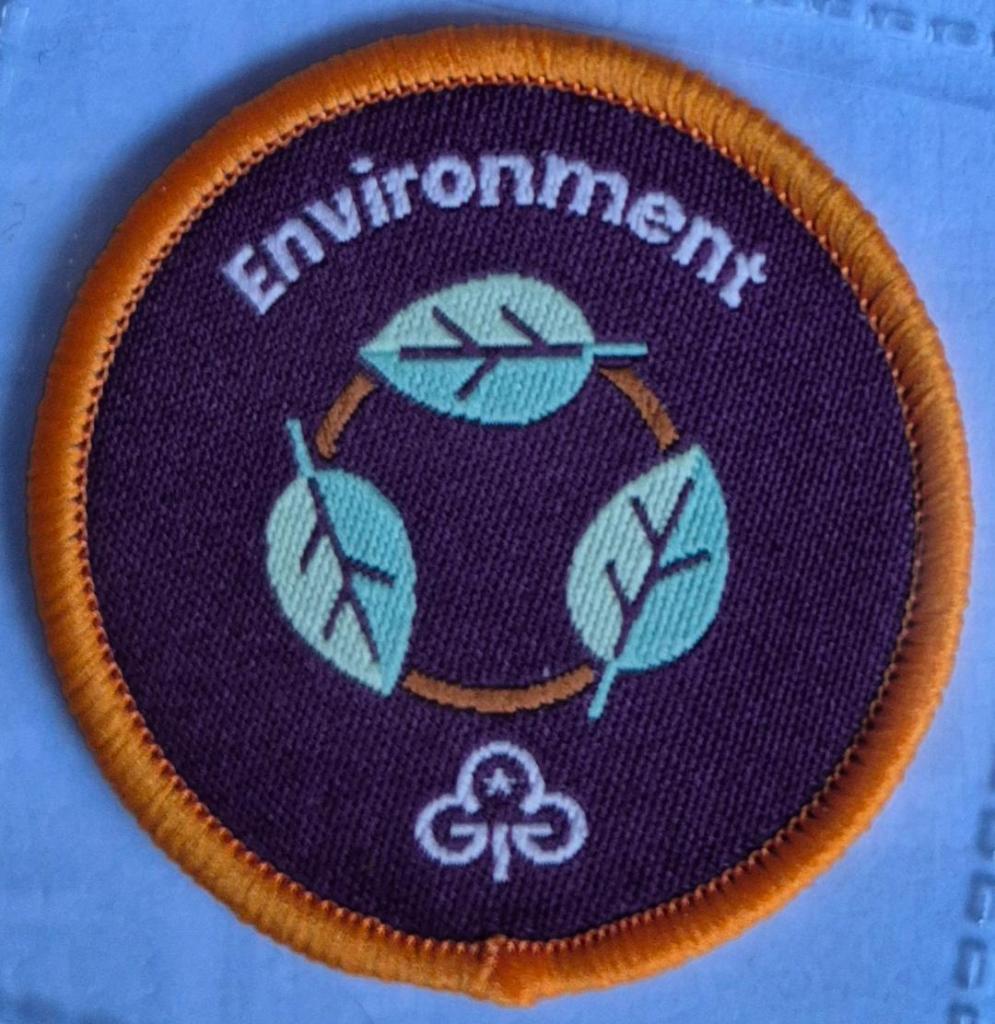
Ranger Environment badge 2025 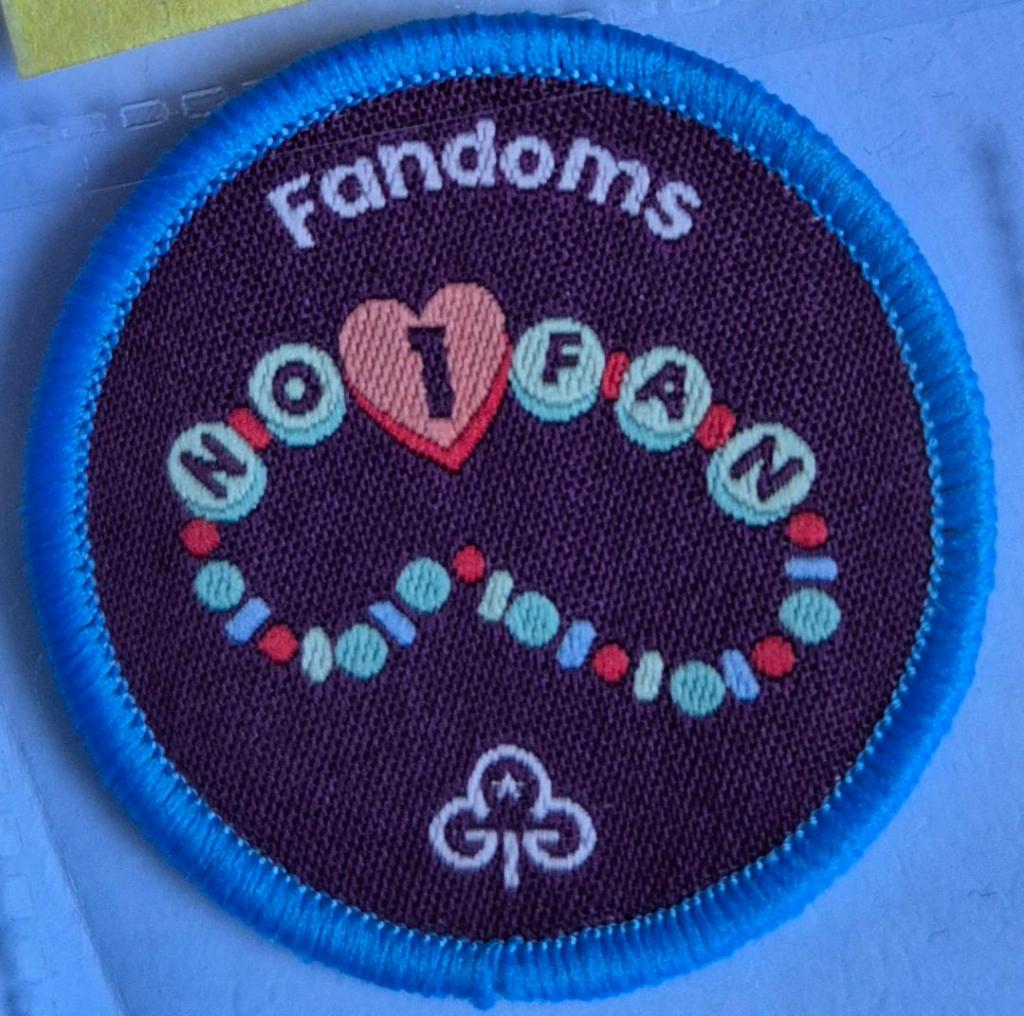
Ranger Fandoms badge 2025 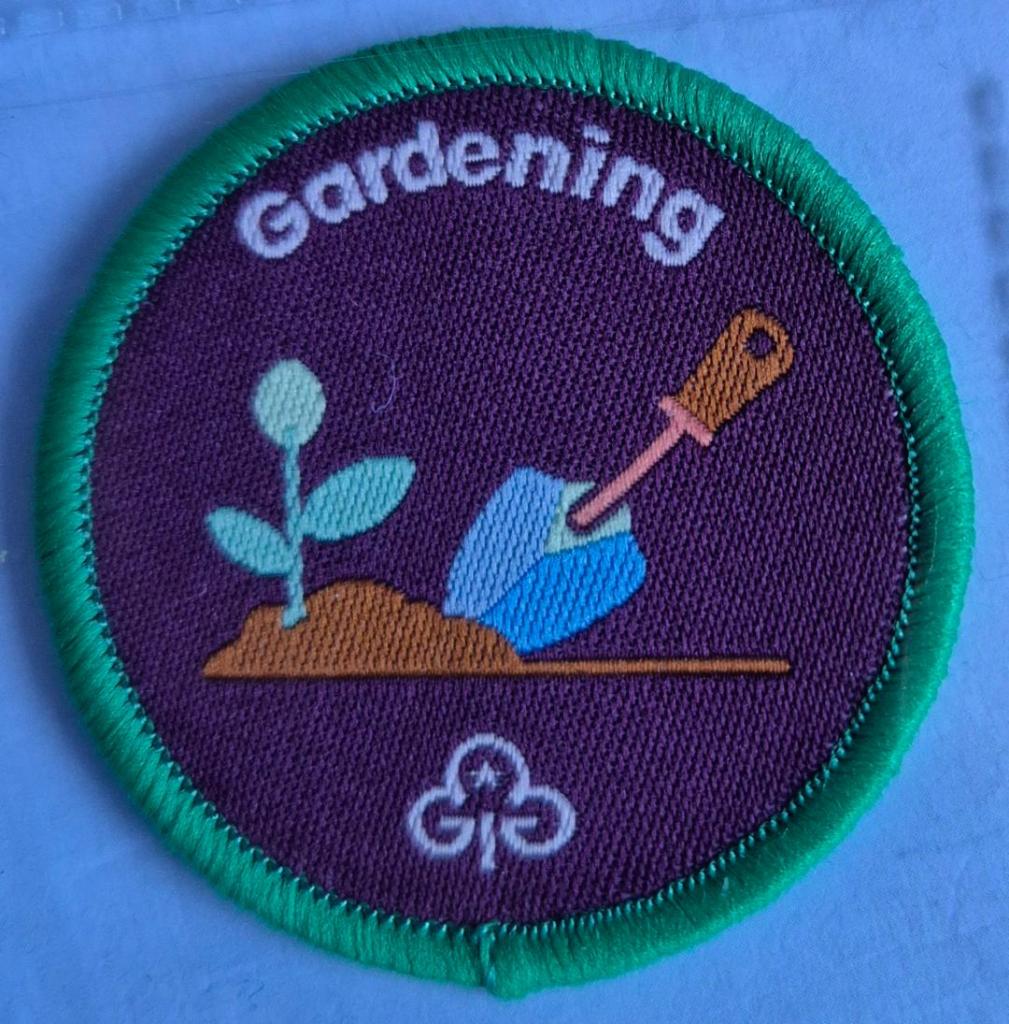
Ranger Gardening badge 2025 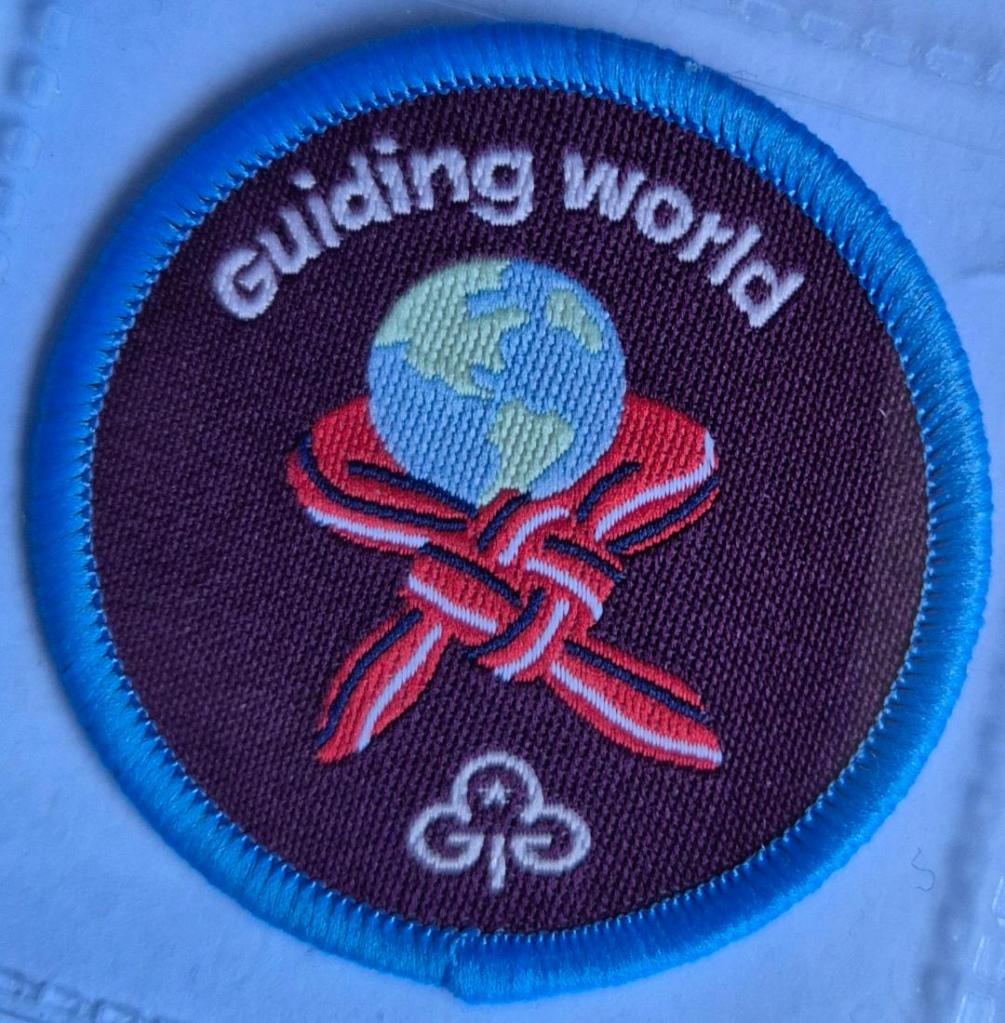
Ranger Guiding World badge 2025 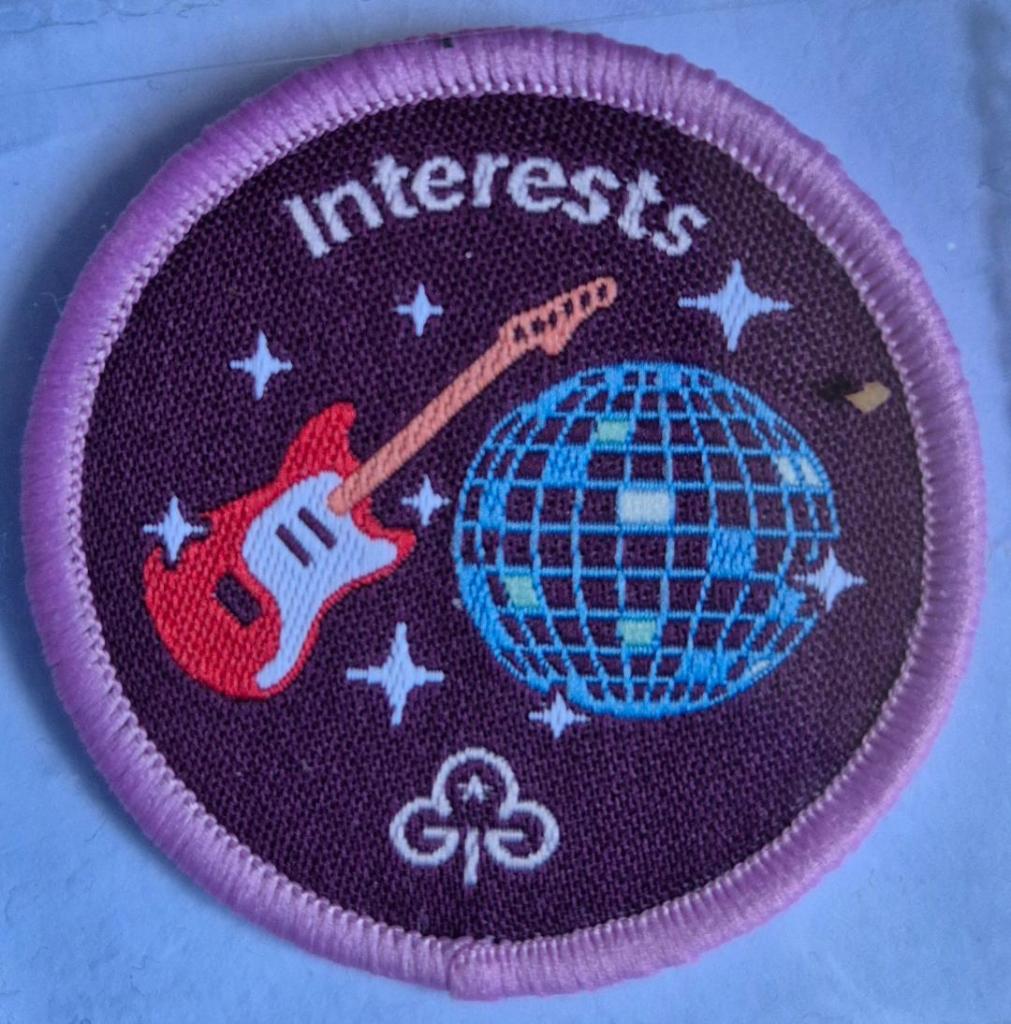
Ranger Interests badge 2025 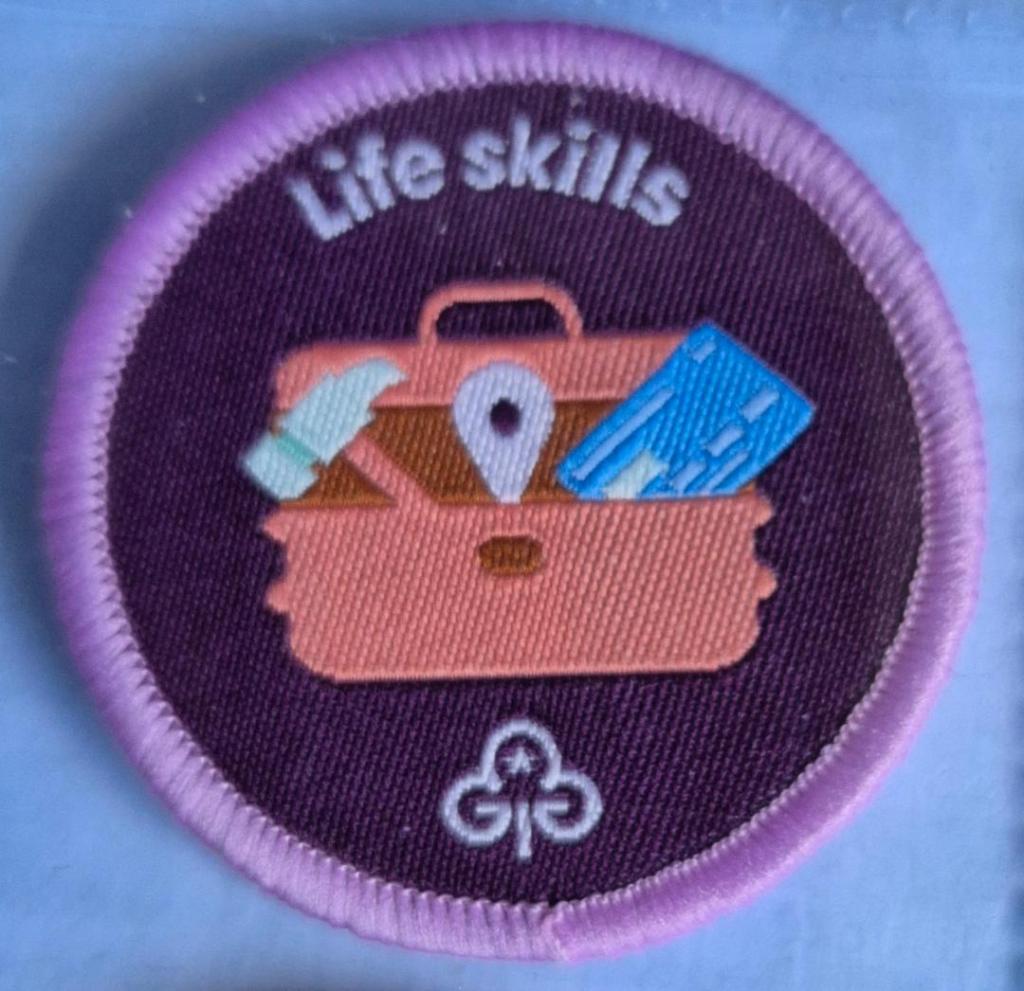
Ranger Life Skills badge 2025 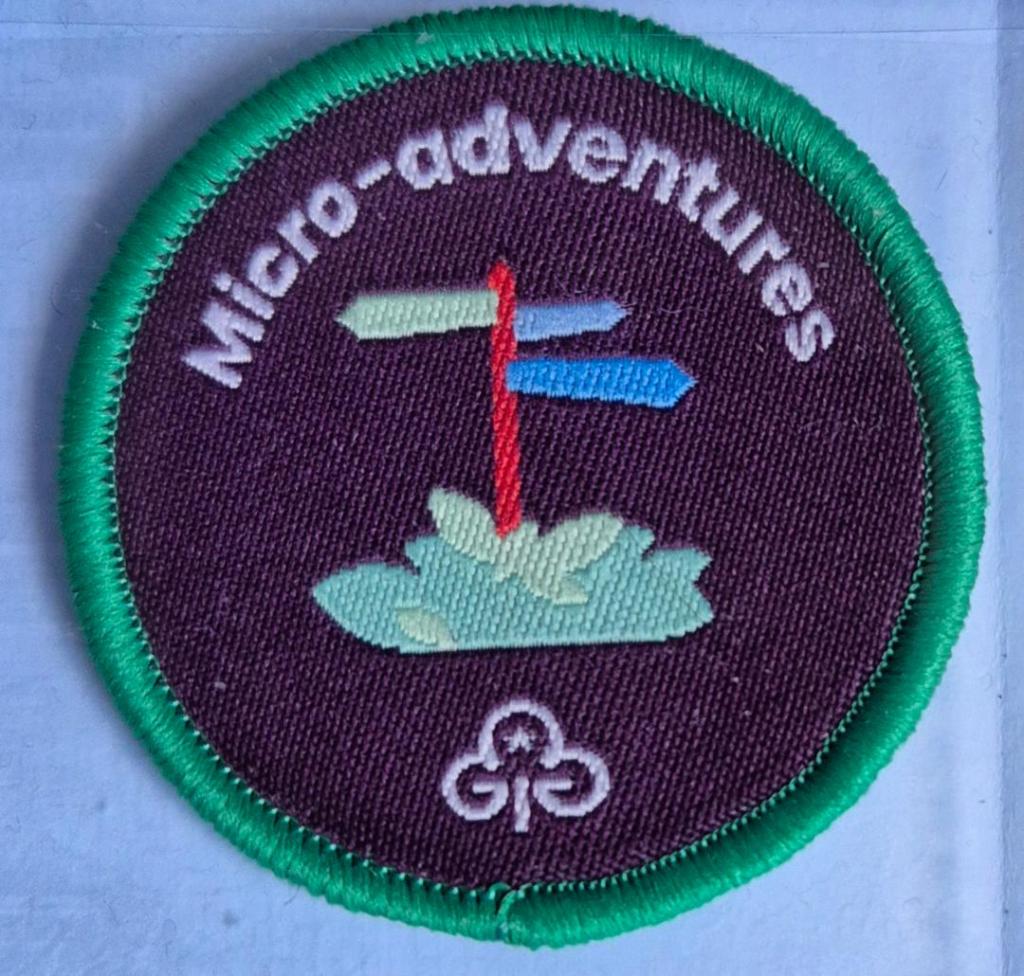
Ranger Micro-Adventures badge 2025 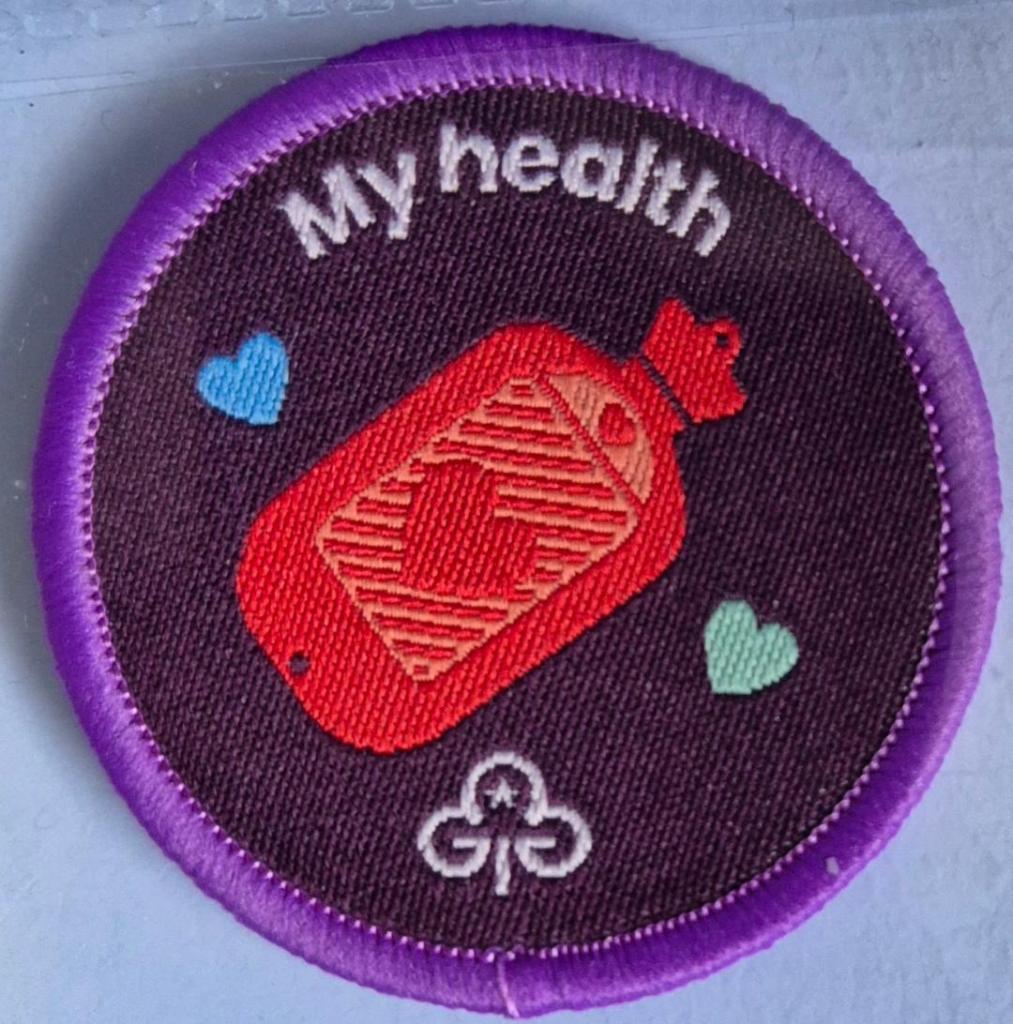
Ranger My Health badge 2025 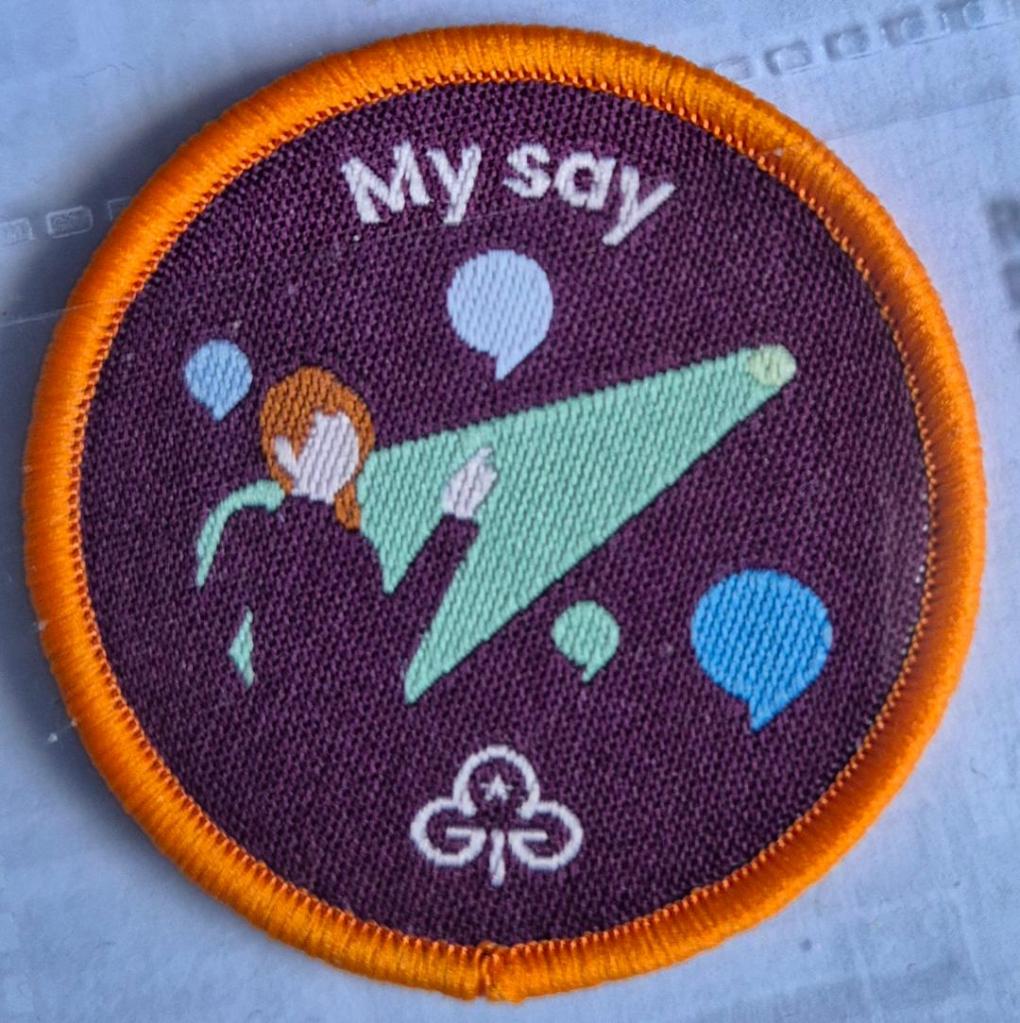
Ranger My Say badge 2025 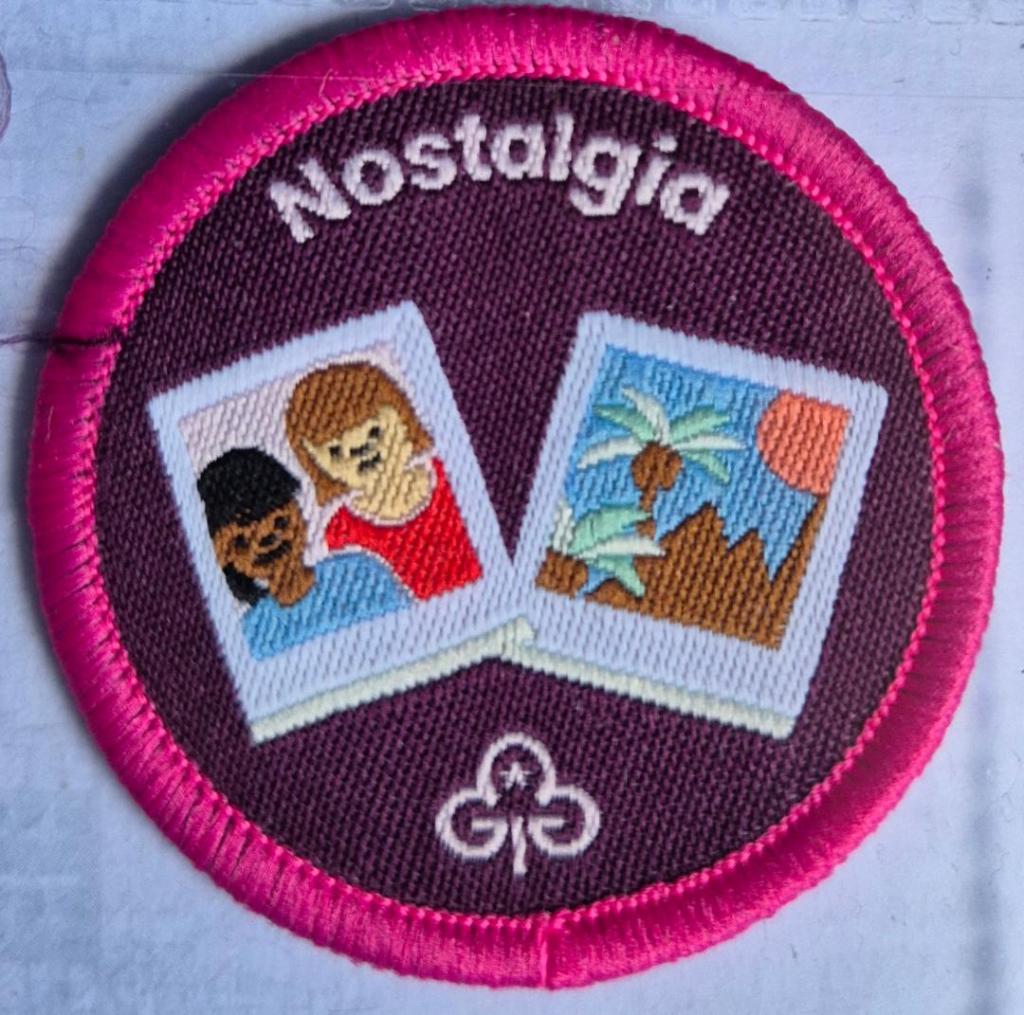
Ranger Nostalgia badge 2025 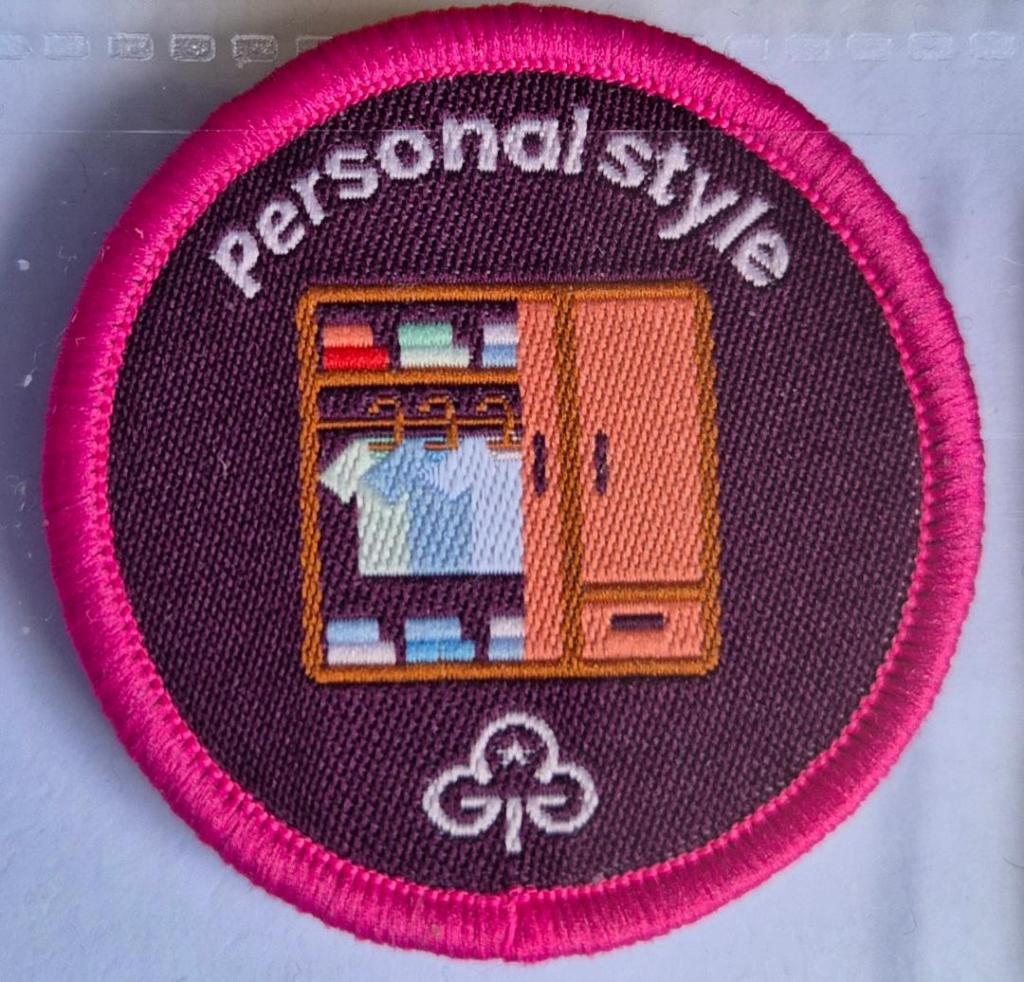
Ranger Personal Style badge 2025 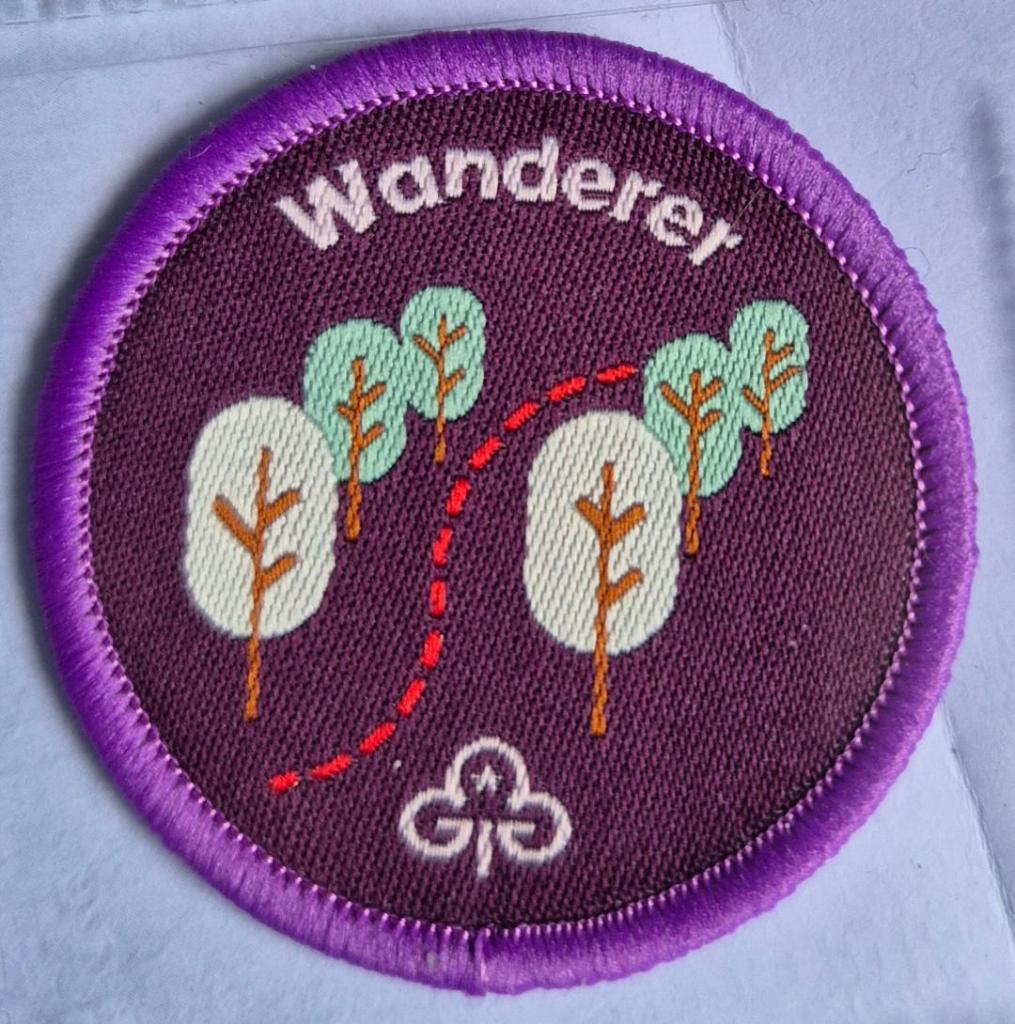
Ranger Wanderer badge 2025 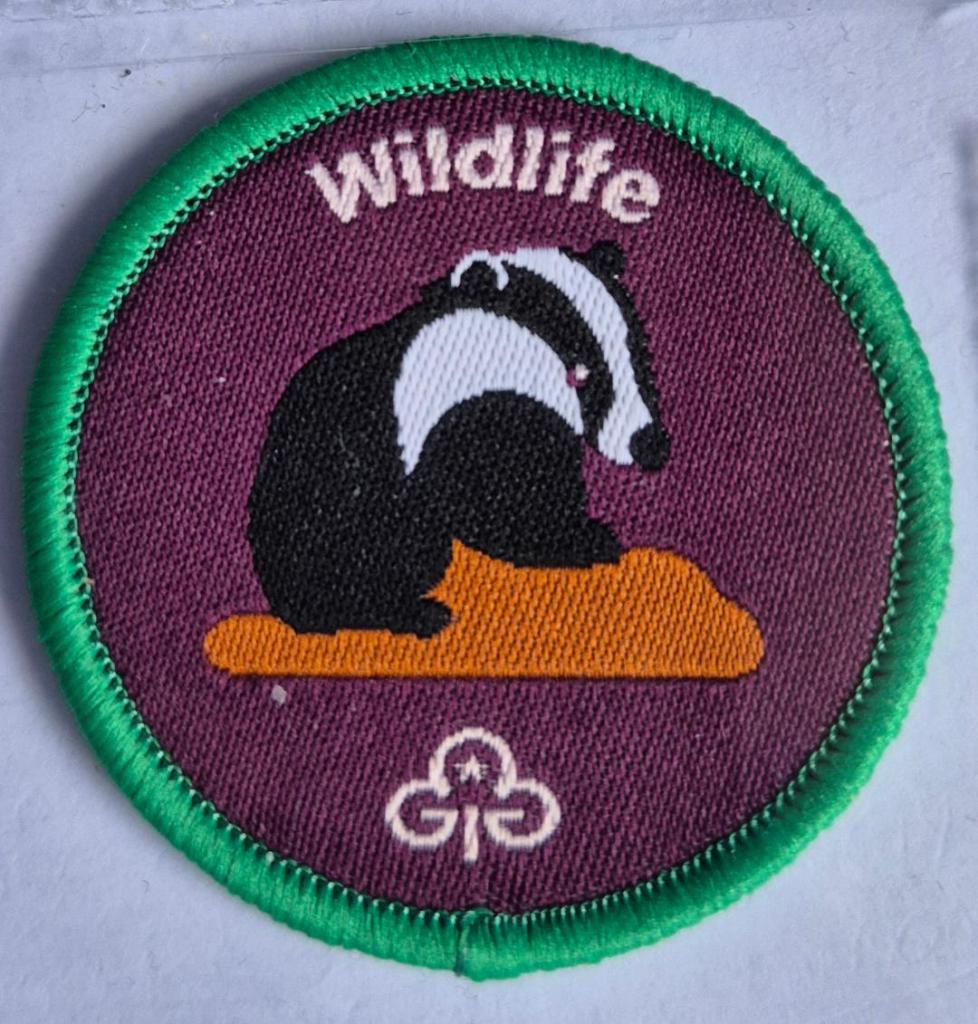
Ranger Wildlife badge 2025
Awards
Over the years, there have been various special awards which have been available . I will make a start here on detailing what some of the awards available to the youth sections and how they were gained. Where these were also available to adults, this has been stated. Generally, awards for gallantry or fortitude were mainly awarded only to girls (though some exceptions exist for especially meritorious deeds by adults). Over the years some awards were introduced or discontinued, hence some may appear to cover the same topics/achievements. I have provided sample pictures for each where possible, however it should be noted that designs have changed over the years, so the version shown may be different from the ones in your collection . . .
Silver Fish

This was originally awarded for gaining a particular number of Guide interest badges (basically most of those which were available at the time), but it soon transferred to being the highest award for adult service in Guiding, usually incorporating service in more than one country. At the time of this change the design altered from being a fish in a nose-touching-tail circular pose, to being a side-profile of a fish – both designs were worn on a neck ribbon which had a light blue centre stripe with navy edges. It now takes the form of a silver brooch.
Beaver Award
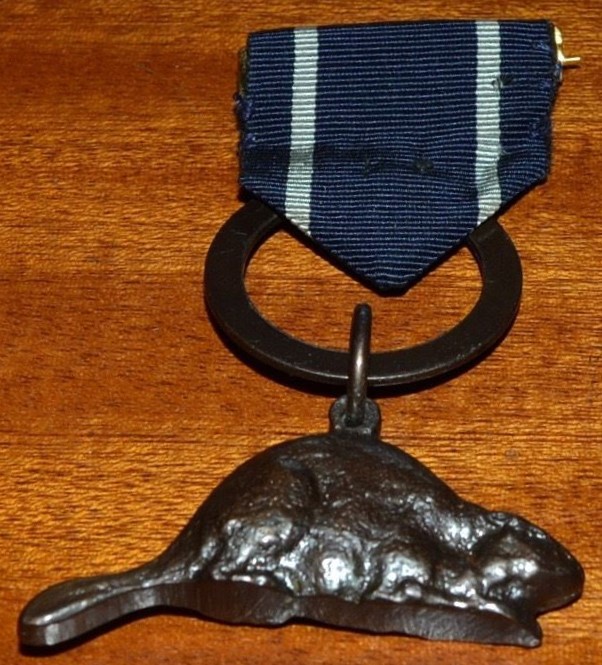
For especially good service to the movement, a bronze beaver in profile on a navy ribbon with light blue edges (the reverse of the Silver Fish ribbon colours).
Laurel Award
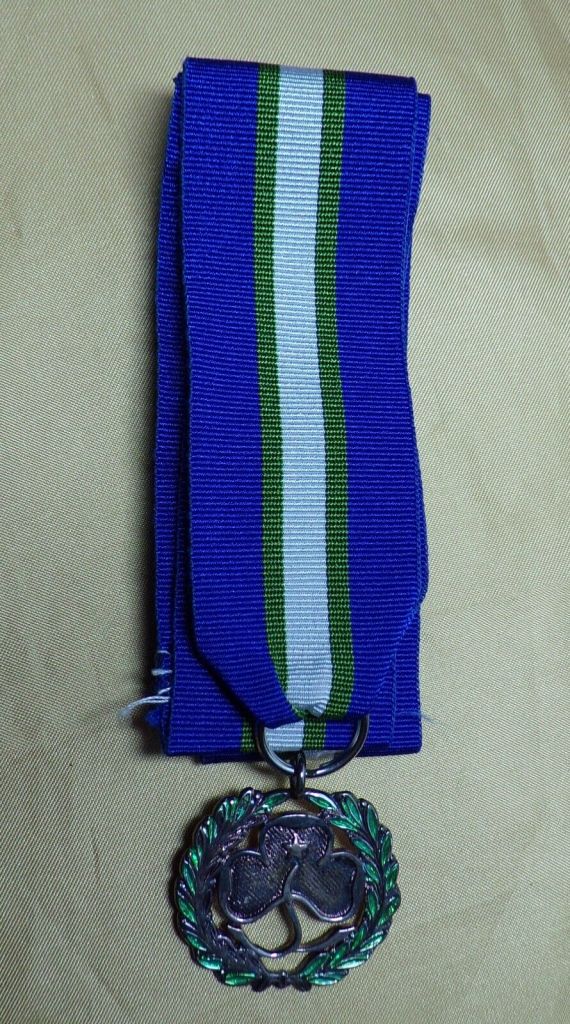
For especially good service to the movement, a Guide trefoil cut-out set within a laurel wreath, originally enamelled and worn on a neck ribbon featuring wide blue stripes on the outside with a wide white stripe in the middle, separated by narrow stripes of mid-green. Now a silver brooch with no enamel which can be pinned on to uniform garments.
Good Service Award
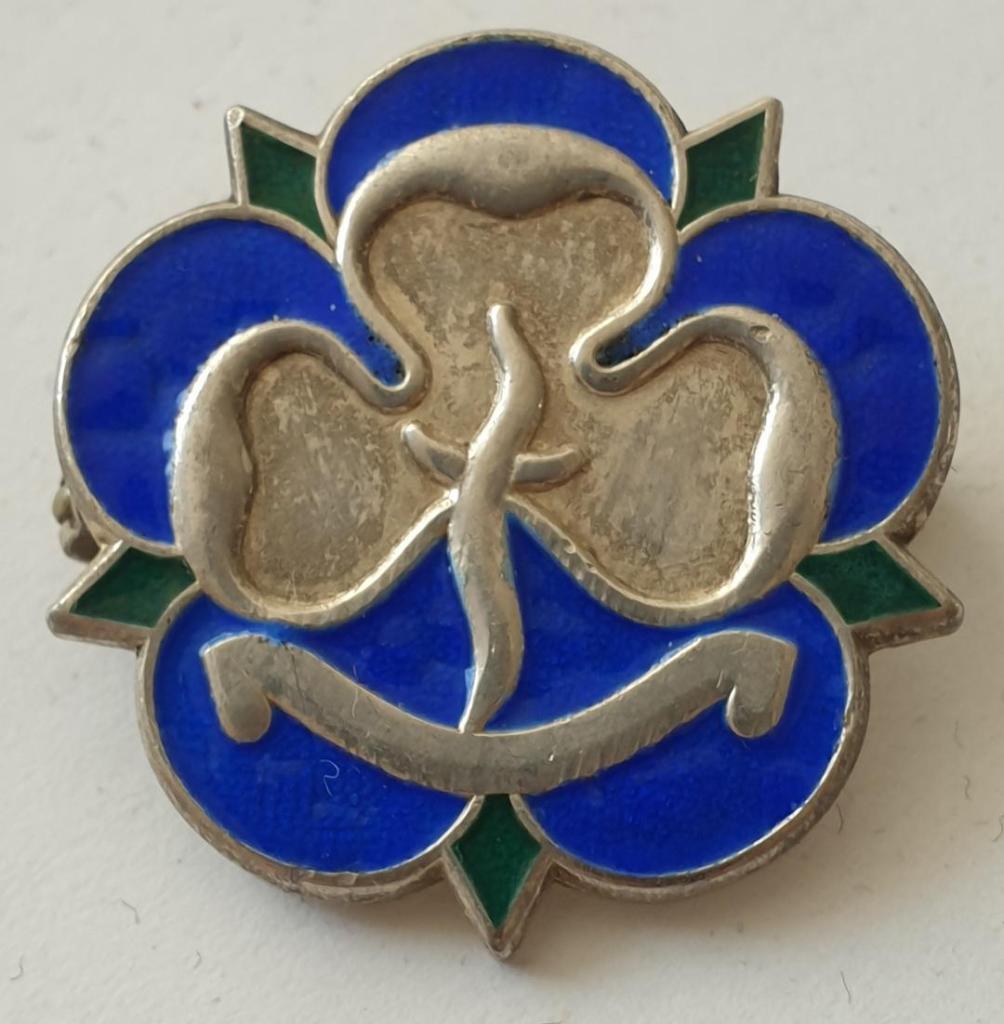
For good service to the movement, a silver brooch featuring a Guide trefoil cut-out set within a blue ring. Previously a brooch featuring a trefoil set within a rose shape with blue and green enamel

Bronze Cross
The highest award for gallantry, awarded where extraordinary heroism has been shown, or extraordinary risk of life in saving life, girl or adult. Red ribbon. Bronze Cross was ranked as higher, as a reflection of the highest UK military gallantry award, the Victoria Cross, which is also a bronze medal on a dark red ribbon.
Silver Cross
For gallantry where considerable risk has been faced, girl or adult. Blue ribbon.
Gilt Cross
For an act of gallantry in the face of danger, girl or adult. Green ribbon. Introduced in 1941 to replace the Medal of Merit for this purpose.
Medal of Merit
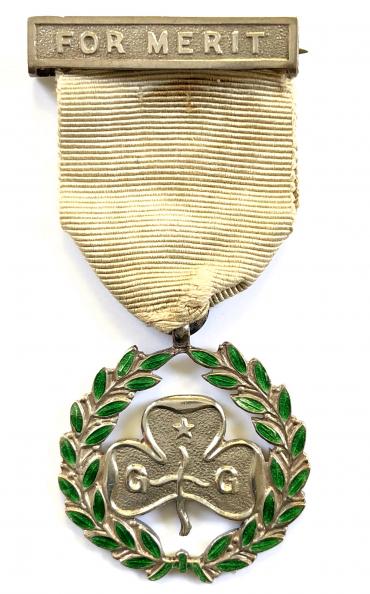
For duty exceptionally well done, though without great personal risk, girl or adult. Green enamel laurel wreath with silver trefoil in centre, white ribbon. In July 1941 it was replaced by the Gilt Award as a gallantry award, and became a medal for Good Service to the movement.
Certificates of merit and letters of commendation were also issued for very meritorious acts, to girls or adults.
Guiding Star Award

Given for acts of gallantry, or suffering endured, for members aged under 26, it replaced the Gold, Silver and Gilt Crosses, the Badge of Fortitude and the Medal of Merit.
Nurse Cavell Badge
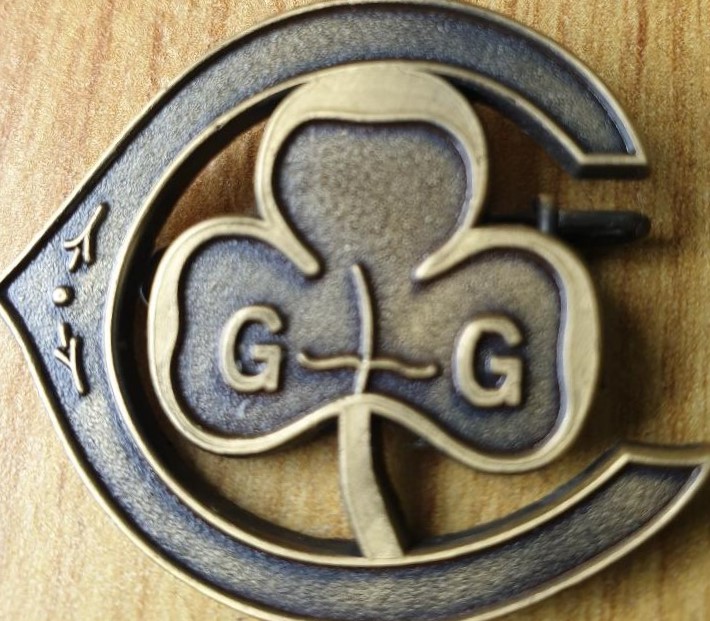
Only available from 1918 to 1928, “for pluck in saving life, self-sacrifice in work for others, endurance of suffering, or calmness in danger”. “The personal character of the Guide as testified to by the captain, or ascertained by the Headquarters Committee, will be an important factor in the awarding of this badge, and a recommendation from the employer or school authorities as to punctuality, energy in work, and steadfastness of purpose, will also be required”.

Badge of Fortitude

Awarded to girls in an “Extension unit” with at least 6 months service, who have shown exceptional courage and endurance under suffering. Diamond-shaped badge in navy with a white diagonal cross and trefoil in centre, mounted on a navy blue ribbon suspended from a blue-enamelled bar with text “Fortitude”. Or with a blue enamel cross on white, confusingly.
Thanks Badge

This was usually given to adults who were not Guiding members, but who had given good service to Guiding in some way. It could be given by an individual unit with permission from the Commissioner, as well as at a higher level by a Commissioner or Adviser. Traditionally, members were expected to offer help to anyone they saw wearing a Thanks Badge. The style has varied over the years, with some hanging by a chain from a bar brooch (which can be plain, or can be engraved or enamelled) and others having a pin directly on the back – the design itself was a trefoil inlaid with green enamel, within silver and white swirls, and is now an oval shape with a blue base, and a trefoil inset.
The Oak Leaf
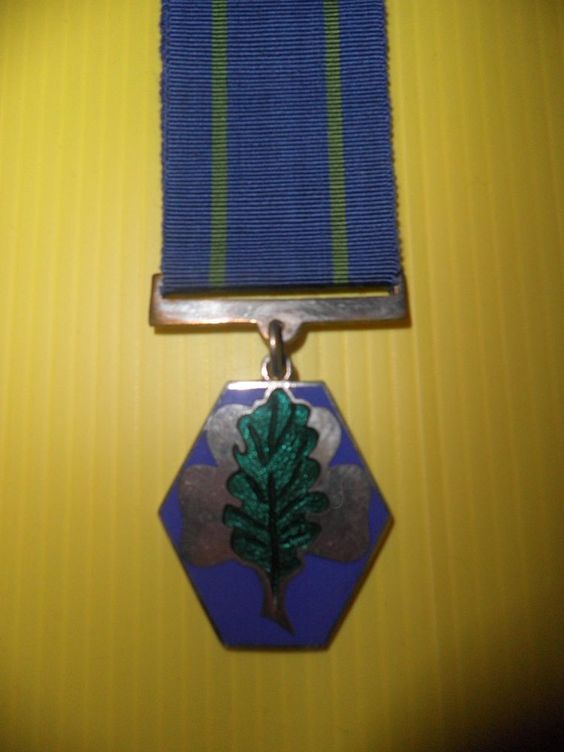
An award for very meritorious service, ribbon saphire blue ribbon with green edges, the award itself being an elongated hexagon with an oak leaf in enamel on a coloured background.
All-Round Cords

These blue and white striped cords were awarded to all Guides who had passed 1st Class, plus seven further tests in addition to those included in 1st Class, up to 1968. They were originally worn looped around the shoulder and hooked into the blouse pocket buttonhole. Later, as an economy, they were reduced to a short strip a few inches long which was stitched over the shoulder seam of the blouse only. (Collectors should beware of the potential for one original full length cord to be cut up and sold as several new-style short cords by the more unscrupulous amongst dealers . . .)

Ranger Cords
These were similar in format to the Guide All-Round Cords, with the same requirements, but produced in red and white colour scheme for Rangers, and were worn round the shoulder of the uniform.
Gold Cords

Awarded to anyone who had at least 2 years’ service, one week’s camp experience, and the following badges: First Class or Ranger Star, Sick Nurse or Emergency Helper, Probationer or Samaritan, Handywoman, Swimmer or Signaller or Signalling Transmitter, Athlete or Gymnast or Folk Dancer, Naturalist or Nature Lover, Nurse or Child Nurse, Laundress or Finisher, Scribe or Citizen, Domestic Service, and five other badges of her choice. She must also train a Guide for First Class badge, and complete a written test paper. Her Captain must submit a report of the Patrol’s work for the year, indicating the Guide’s role in the Patrol.
Mauve Cords

Awarded to Extension Guides who hold the Mauve First Class badge and any other seven badges in addition to those passed in gaining the Mauve First Class badge
Blue Cords
Awarded to Extension Guides, whether or not they are members of Extension units, who hold the Blue First Class badge and any other seven badges in addition to those passed in gaining the Blue First Class badge.
Nursing Sister
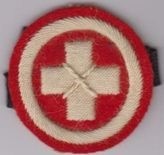
Awarded to a 1st class Guide who has obtained sick nurse, child nurse, housekeeper, laundress and domestic service badges – a large red cross badge on a black elasticated armlet
Action Plus
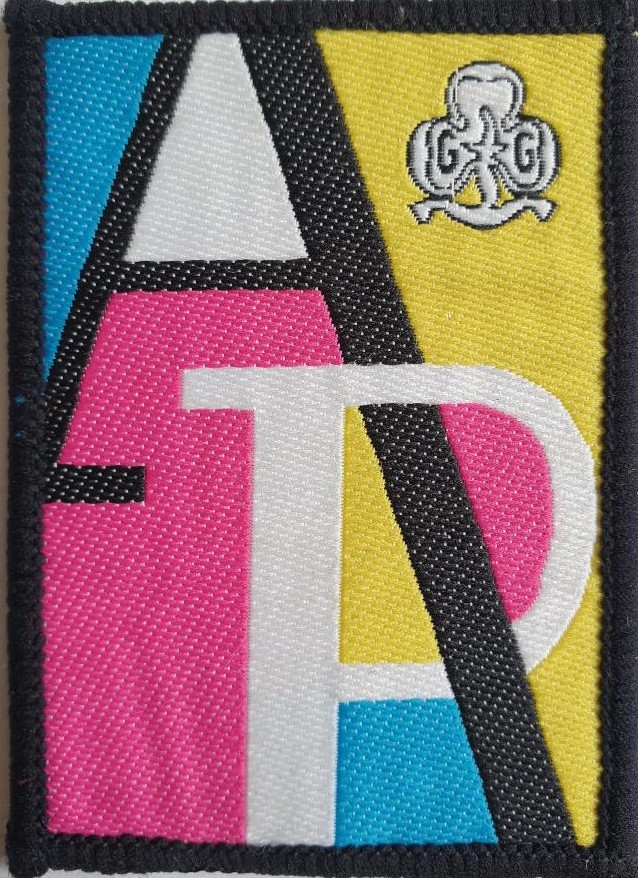
Awarded to a Guide aged 13 or over who completed the challenges in the Action Plus programme.
Queen’s Guide
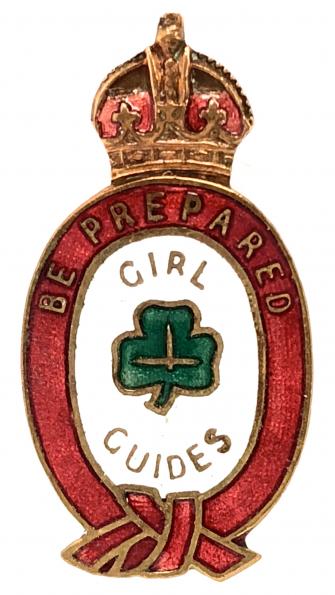
This was first introduced in 1946, with the Queen in question being Queen Elizabeth, the then Queen Consort, who was later known as Queen Elizabeth the Queen Mother. In 1953 it changed to being in reference to Queen Elizabeth II.

Hence the change to the crown featured in the badge, from the angular one on the left pre-1953 to the more rounded crown on the right from 1953 onwards. In both cases, the badge showed the crown on top of the First Class badge of the era, it was designed to show that those who had earned it were ‘more than First Class’, and the badge was produced in both cloth and in metal formats.
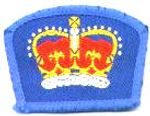
In 1968 a new cloth badge was brought in (shown left) which featured only a crown.
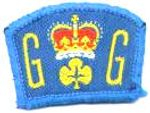
Later GG lettering was added either side and a trefoil added under the crown, as shown right. Both these badges were also produced in both cloth and metal. At that time, the syllabus of the Queen’s Guide award was based on gaining a high number of interest badges, some being compulsory ones and others being chosen from a limited selection in different fields.
In some units, girls were expected to gain (or were even pushed into gaining) the necessary interest badges at regular intervals during their time in the unit, such that it was the norm for all the older girls in these units to have gained exactly the necessary badges and to earn the Queen’s Guide award, without necessarily having had a strong personal desire or drive to achieve it (these units were sometimes referred to rather disparagingly as ‘badge factories’) – in other localities awards were fewer, and it tended to be gained only by the extremely keen individual who gained the award through her own personal drive and determination to work towards and and pass all the necessary badges without any special assistance or extra encouragement, as was the original intention of the award.

Perhaps as a result of these ‘badge factory’ units, in 1983, the Queen’s Guide was moved from the Guide section to be a Senior Section award, and the design changed dramatically, to a silver-coloured metal pin badge featuring a crown surrounded by a ring of trefoils, as shown on the left. The syllabus, too, changed to become a set series of challenges on different topics which were all related to active citizenship, designed to reflect the differing programme aims of Senior Section as compared to the Guide section.

Following the passing of Queen Elizabeth, a new design was prepared, and it was introduced in 2023. It was available in 3 versions – a silver-coloured version, an enamel version as shown, and a cloth badge version in the same colours as the enamel badge.
Baden-Powell Challenge Award

This was introduced to the Guide section in 1983, at the time when Queen’s Guide moved to become a Senior Section award. Until 2018, it was the highest award issued in the Guide section. The first design mirrored the 4th Challenge Badge of the era, being a blue enamelled trefoil with a scroll (on some badges this is enamelled).
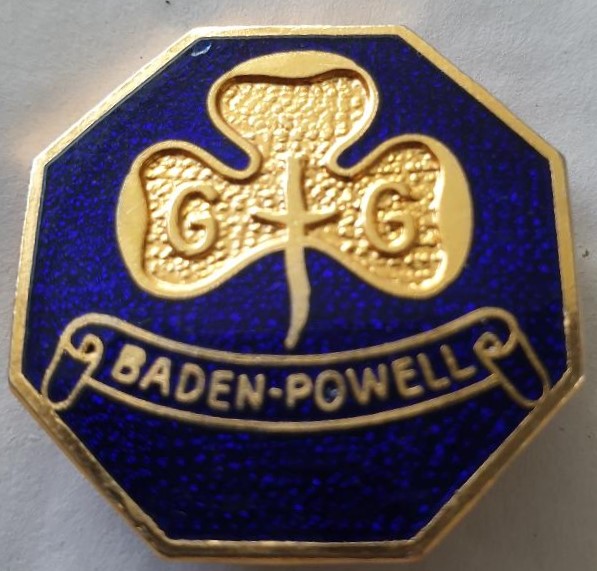
It later changed to being an octagonal badge with blue enamel, with the trefoil itself changing design over time.
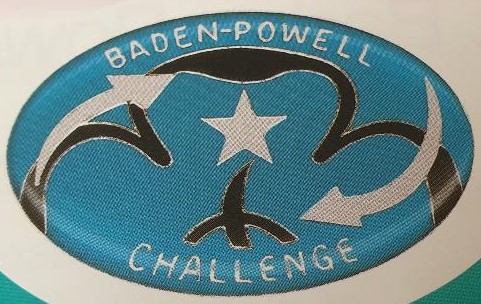
The next design was in an oval shape, as shown on the left, in a much lighter raised shiny blue enamel, with part of a dark blue silver-edged trefoil shown, and two white arrows. When the style of the Promise badge changed, so too did the style of the trefoil portion shown in the badge.

Finally, a new design was introduced in 2014, in a star shape to match in with the annual Challenge Badges, which were simultaneously also changed from being round badges to being a star shape.
Originally there was a syllabus of different set clauses to be tackled to earn the Baden-Powell Award – later a Guide had to choose ten challenges across five different themes, and then take part in a Baden-Powell Adventure, which was an adventurous residential event or trip with Guides from other units, having new experiences, and also learning about Senior Section. The Baden-Powell Trefoil was withdrawn in 2019 with the coming of the new Guiding programmes.
Commonwealth Award

This was introduced in the 1990s and can be gained by any Guiding member in any Commonwealth country who is aged from age 13 to 26, so it straddles Guides and Senior Section – the only award to do so. There are some compulsory challenges, then the individual can make certain choices among the remaining categories to complete the award. It too is based on Guiding knowledge, Commonwealth knowledge and active citizenship.
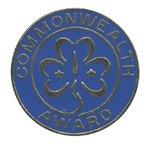
The original design was based on the old World Badge, so when the World Badge design was updated, the design for the Commonwealth Award badge was updated too, to match.
Chief Guide’s Challenge

This was a Senior Section award, introduced in the 1990s with the new ‘Look Wider’ programme, and awarded to a member who completed the phase one and phase 2 sections of all eight ‘Octants’ in the Senior Section programme. It ceased to be awarded in Summer 2019, as the Senior Section programme was phased out.
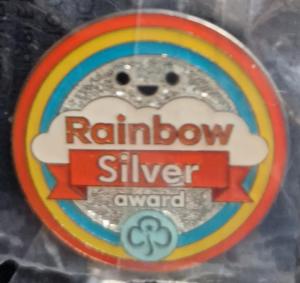
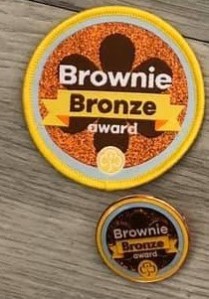
Rainbow Bronze Award, Brownie Bronze Award, Guide Bronze Award, Ranger Bronze Award
Introduced in January 2020, to give an intermediate stage to Gold Award. Awarded to girls who gain two Theme Awards in a Section.
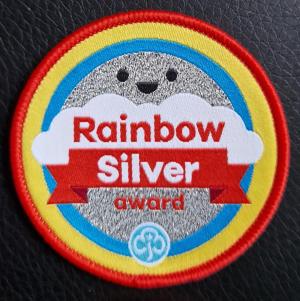
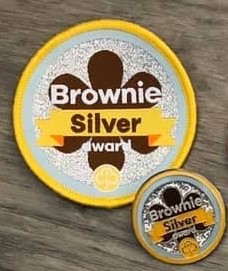
Rainbow Silver Award, Brownie Silver Award, Guide Silver Award, Ranger Silver Award
Introduced in January 2020, to give an intermediate stage to Gold Award. Awarded to girls who gain four Theme Awards in a Section.
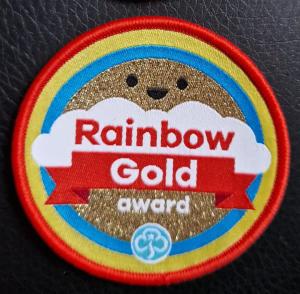
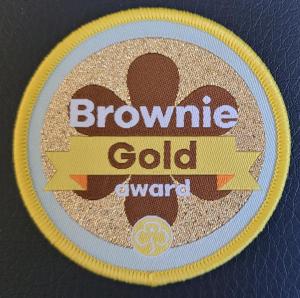
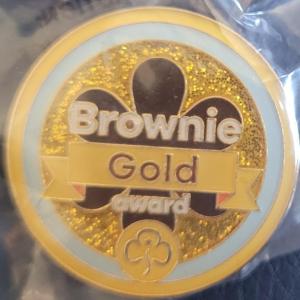
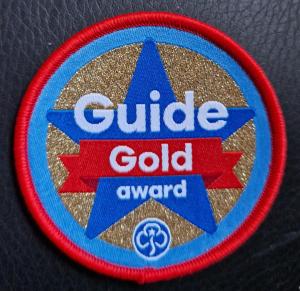
Rainbow Gold Award, Brownie Gold Award, Guide Gold Award, Ranger Gold Award
Introduced in July 2018, for girls who complete all six Theme Awards in a Section, plus two extra challenges.







Guiders and Interest Badges
In the early years, Guiders were permitted to gain and wear interest badges, but this does not seem to have been commonly done, and did not last long. There are, however, some unofficial badge schemes (such as BOGUK) which allow Guiders to challenge themselves to gain badges on various topics.
There were various optional official qualifications which could be gained. These included:
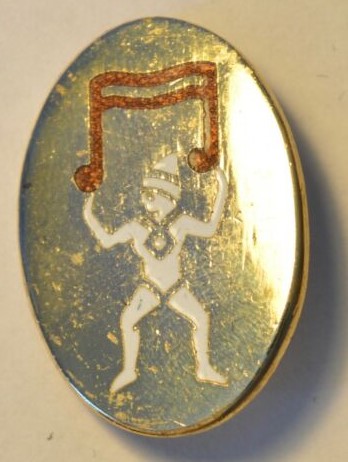
Music in the Pack Certificate: A qualification to indicate proficiency in leading music sessions for Brownies. Oval brass badge featuring a Brownie figure under a music note. Later replaced by a ‘Music In The Unit’ qualification to cover any of the sections.
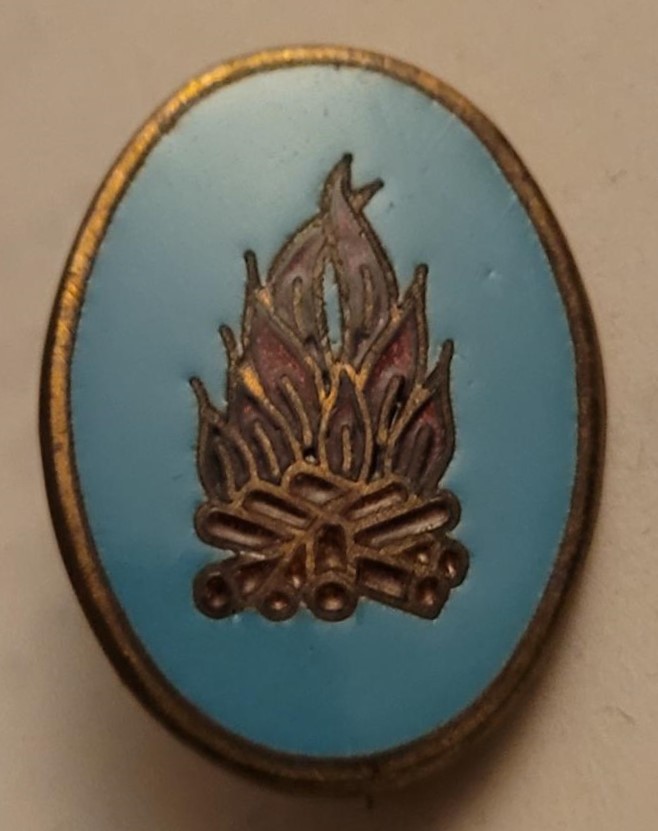
Campfire Leader Certificate: A qualification to indicate proficiency in leading music sessions for Guides or Senior Section. Aqua enamelled badge featuring a campfire. Replaced by the Music in the Unit’ qualification
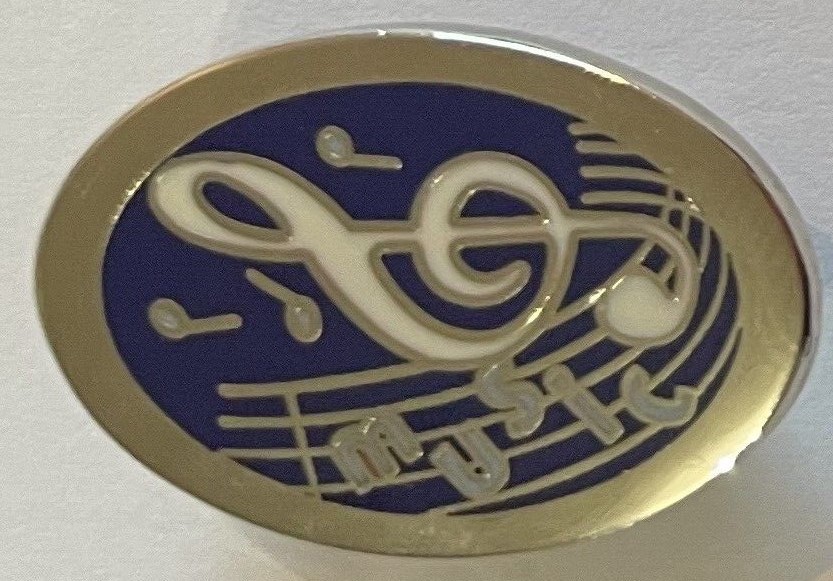
Music in the Unit Certificate: this replaced the Music in the Pack and Campfire Leader certificate, and was designed to be the music qualification to cover all sections of the movement. It was designed so that it could be gained for one section, with the option of adding further modules to cover other sections. It was short lived and despite much active campaigning, there are so far apparently no plans to reintroduce it.
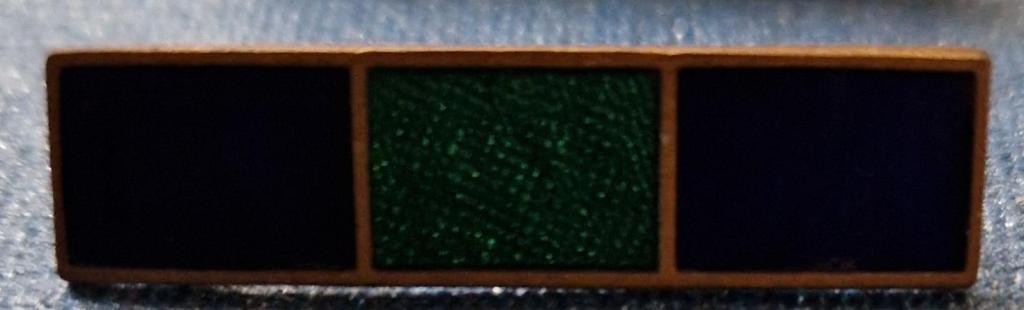
Holiday Licence: A qualification for taking Guides or Senior Section on Indoor Holidays. Metal bar with navy, dark green and navy enamel bars.
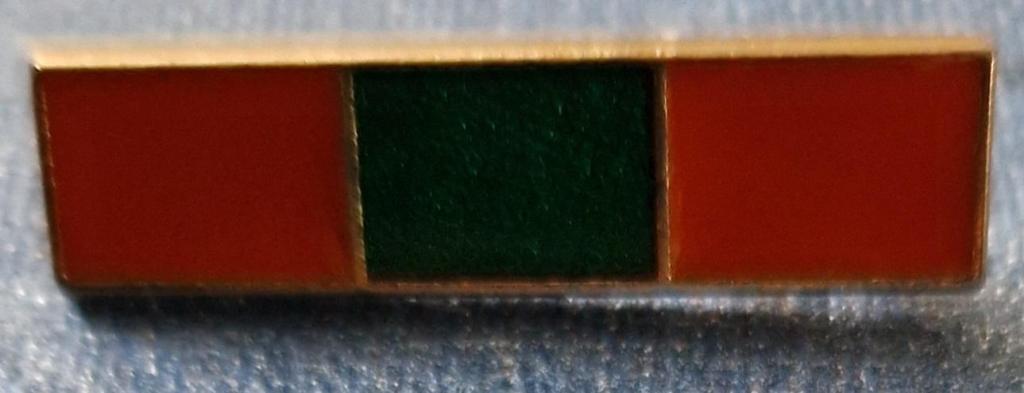
Pack Holiday Licence: A qualification for taking Brownies on Indoor Holidays. Metal bar with bronze, dark green and bronze coloured enamel bars. A leader who had gained Pack Holiday licence was also entitled to wear a brown lanyard as part of her uniform.
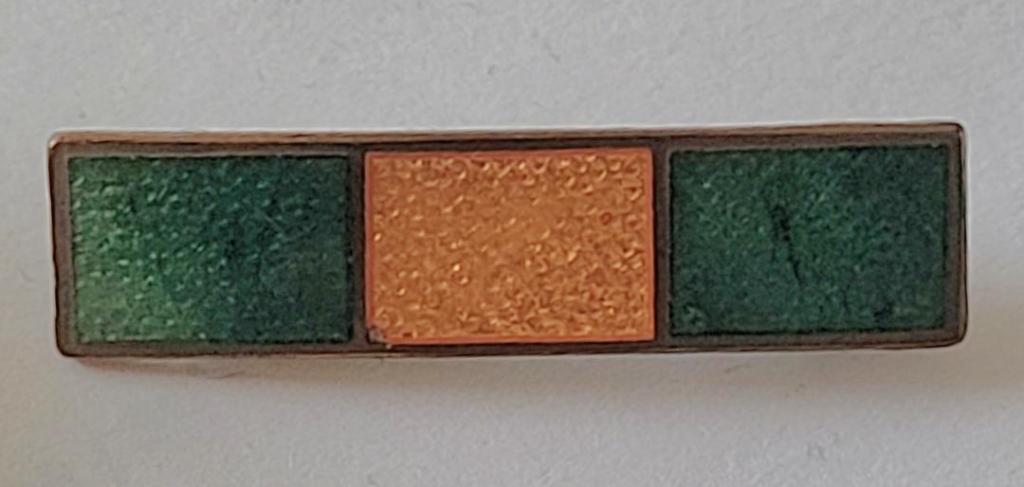
Camp Licence: A qualification for taking Guides or Senior Section Camping. Metal bar with dark green, bronze and dark green coloured enamel bars. A leader who had gained Camp Licence was also entitled to wear a green lanyard as part of her uniform.
Camp & Holiday Scheme: The separate qualifications were replaced with an overall qualification scheme on a modular basis. As a result of this the previous qualifications badges for camp and holidays were replaced with a new badge.

Quartermaster (later renamed Caterer): A qualification indicating proficiency at catering for camps or holidays. A short, almost square badge with the letters QM against dark green enamel, later long thin oval with the text ‘Caterer’ against dark green enamel

First Aid: The qualification required to serve as a First Aider at camps or holidays. Metal bar with ‘First Aid’ against a dark green enamel background

Canoe Permit: This qualification indicated authorisation to instruct in canoeing in both inland and sea waters. Metal bar with yellow enamel.

Power Boat Permit: This qualification indicated authorisation to skipper groups on power boats (could be narrowboats or powered launches). Metal bar with white, blue and white enamel.

Boating Permit: This qualification indicated authorisation to skipper groups on boats powered by sail, such as yachts and dinghies. Metal bar with blue enamel – for certain qualifications the owner could paint on an ‘s’ in white.
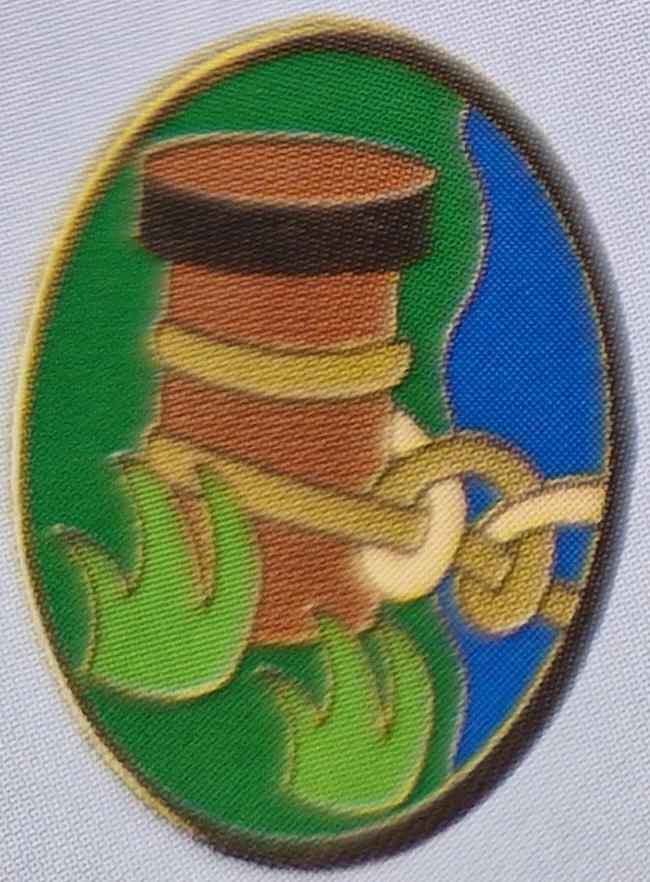
Rowing and Power Cruising Permit: the separate badges for Canoe, Power Boat and Boating were withdrawn, and replaced by a single badge which was awarded for any of the three categories qualified in.
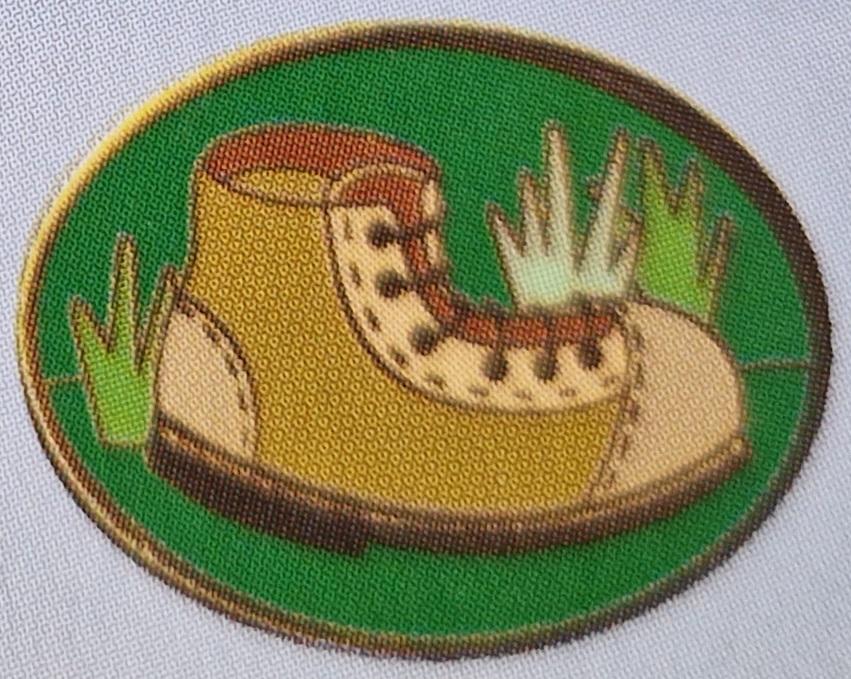
Walking Permit: the qualification needed to take groups rambling in hill or mountain country, the current badge featuring a walking boot. Previously all Leaders had to undertake an urban ‘Walking Safely’ training as part of their Adult Leadership Qualification.

Climbing and Abseiling Permit: the qualification to take groups climbing on climbing walls or cliffs, or to do abseiling either on artificial towers, indoor climbing walls or on natural cliff faces..
Long Service Awards
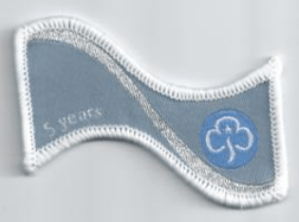

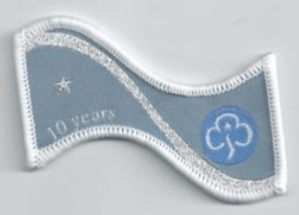
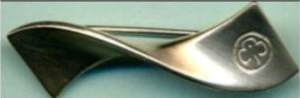

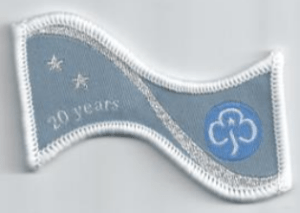

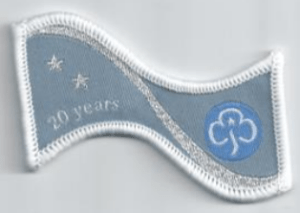


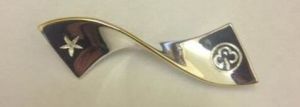
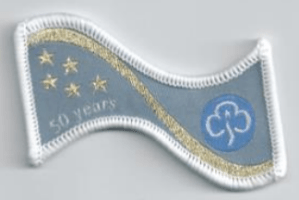
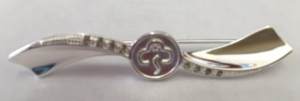

Issued to Leaders for a number of year’s service as a Guider, Commissioner or Appointment Holder. Replacing the service stars which were originally worn on the uniform jacket above the pocket (with felt backs to indicate which section they covered), the badge introduced (possibly in 1968?) was a white figure-of-eight knot on navy, later a system of coloured knots was established, the order being white, then pink, then green. Over the years the number of years each of these represented varied, latterly they were for 10, 20 and 30 years respectively. A special badge was introduced, featuring a trefoil surrounded by a ring of reef knots on a blue background, for 40 years’ service. Lately these have been replaced by a series of silver-metal brooches in the form of a square badge featuring a ‘5’ for five years’ service, and thereafter a twisted ribbon-shaped brooch, in either matte or polished metal, with a star which in some cases features an embedded crystal, for 10, 20, 30 and 40 years’ service. The system is matte – 10 years, shiny with hollow star – 20 years, matte with crystal-embedded star – 30 years, shiny with crystal embedded-star – 40 years.
County/Regional Awards
Some Counties and Regions have opted to create their own ‘Good Service’ awards, which can be awarded locally, they exist in some areas but are not widespread at present.

Hat Cords/Hat Cockades/Hat Flashes
Various coloured Hat cords were worn by Commissioners and Advisers at different levels, but these were indications of rank, rather than being awards relating to achievement. At this time, too, all Commissioners wore cords which were looped round the shoulder before being pinned to the lapel of the jacket using the Promise badge, similar to the Guide and Ranger all-round cords mentioned above – again these were rank indications, with differing colours denoting which rank was held. They were all later replaced by the system of coloured cockades, when Leaders’ hats were changed from brimmed felt hats to berets, and then by the coloured ‘hat flash’ worn on the side of the ‘air hostess’ hats which were in use from 1968 – 1990, together with the diamond-shaped lapel badges. Thereafter no distinguishing marks have been worn other than Commissioner badges.



 Leslie's Guiding History