As well as the Six or Patrol Badges, the Proficiency/Interest Badges, the Award/achievement badges and the various Anniversary badges – there have been all sorts of other badges in Guiding, which don’t fit such easy classification – but which aren’t always so easy to identify. So I have started this page to provide a home for all of the ‘odd ones out’ among Guiding badges – the PL/PS badges, the sash pins, the pilot badges, the fun badges – and a whole lot more. I will gradually add to it, and am happy to accept suggestions.
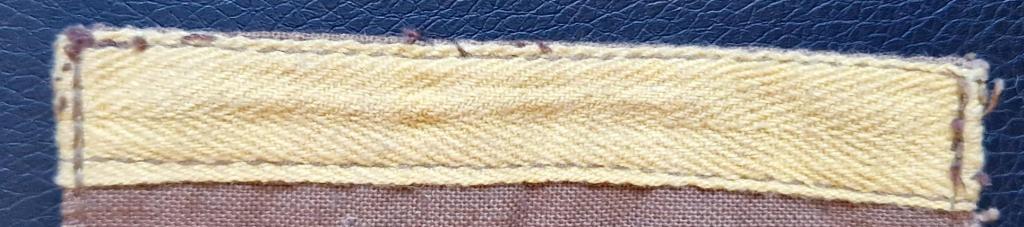
Brownie Second Badge – until 1968. Yellow braid ring worn stitched around the sleeve of the brown dress.
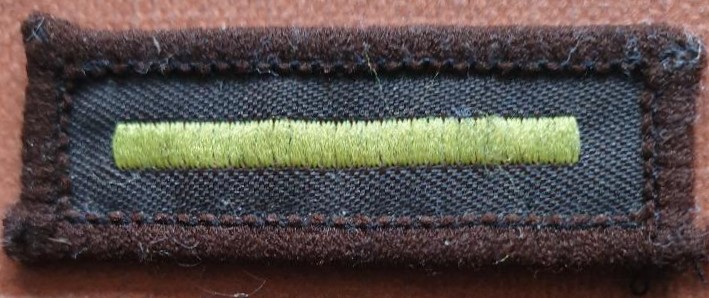
Brownie Second Badge, 1968-mid 1990s. Preceded with braid ring worn around the sleeve, replaced by a pin badge with rubber front. This badge always appeared without lettering – it should not be confused with the similar Golden Bar badge (c1918-1968) which did have Girl Guides lettering.
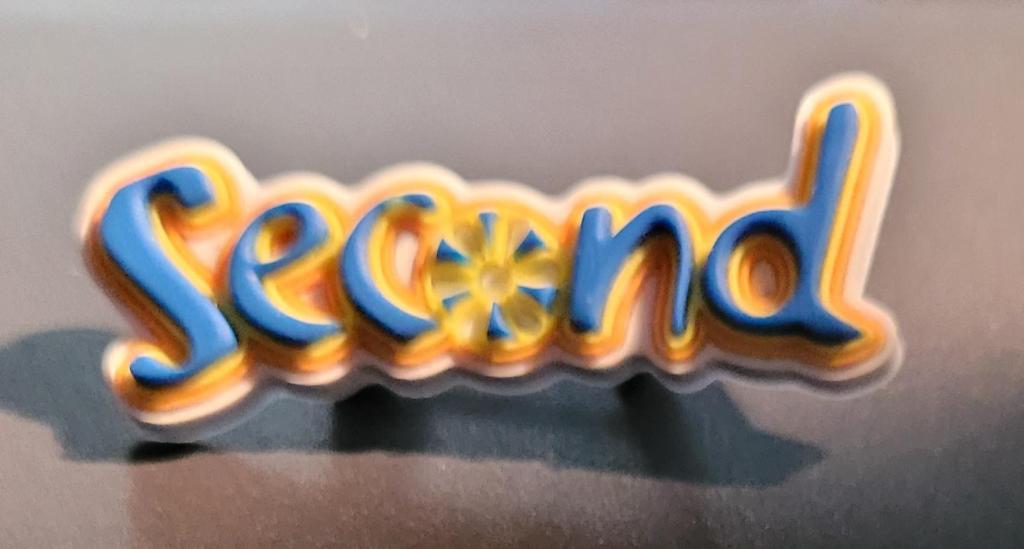
Brownie Second Badge 1990s-2000s. Rubber-fronted, due to issues with the rubber panel being detached it was replaced by the metal badge.
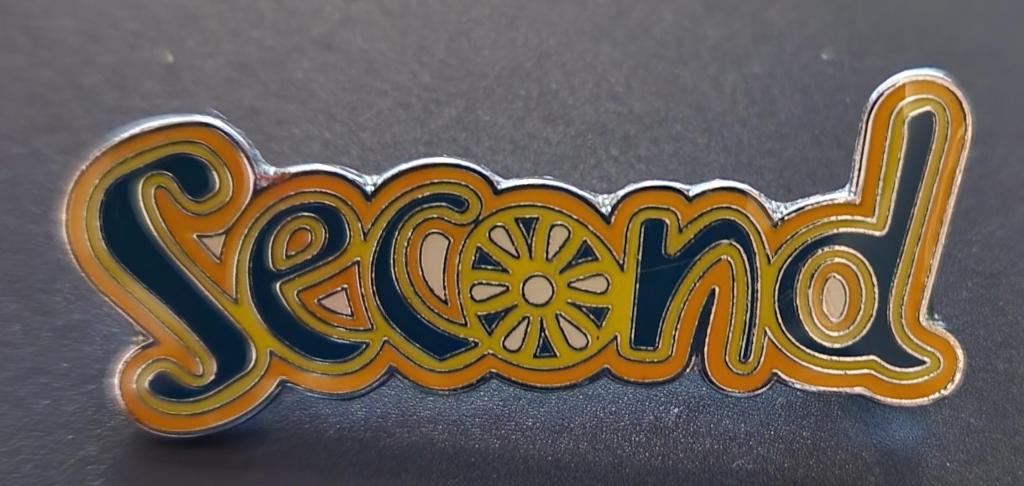
Brownie Second Badge 2000s to date – metal badge with enamel design, featuring the Brownie font.

Brownie Sixer Badge – until 1968. Twin yellow braid rings on a brown background, worn stitched around the sleeve of the brown dress.
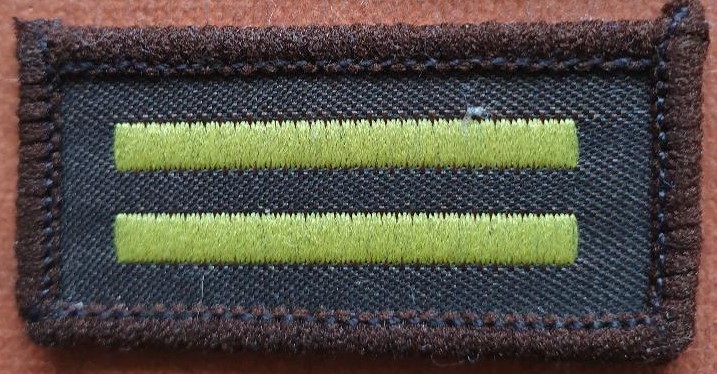
Brownie Sixer Badge, 1968-mid 1990s. Preceded with twin braid rings worn around the sleeve, replaced by a pin badge with rubber front.
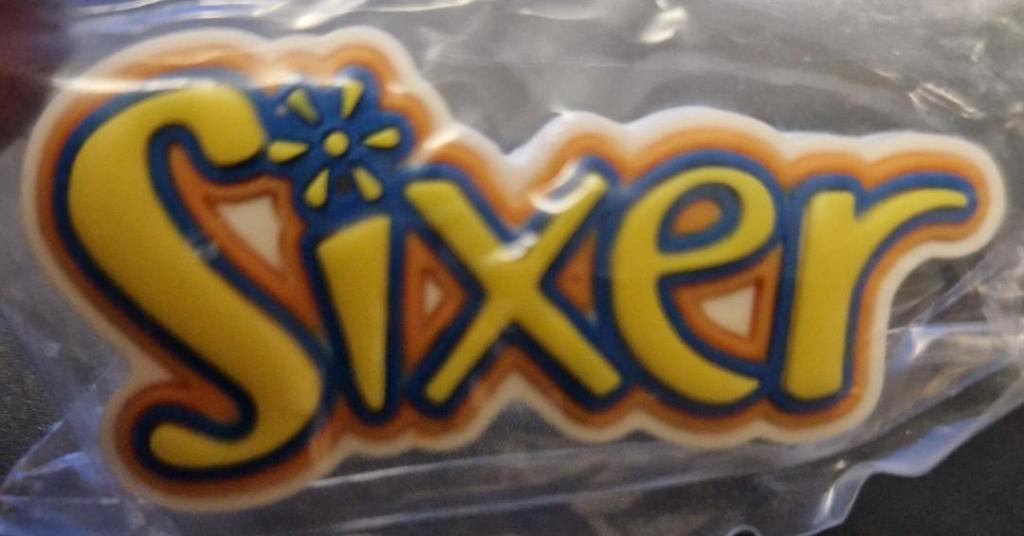
Brownie Sixer Badge, 1990s – 2000s. Rubber-fronted, preceded by the twin-stripe woven badge, replaced by the metal badge.

Brownie Sixer Badge, 2000s to present. Preceded by the rubber-fronted badge, replaced partly as the rubber front tended to become detached from the badge.
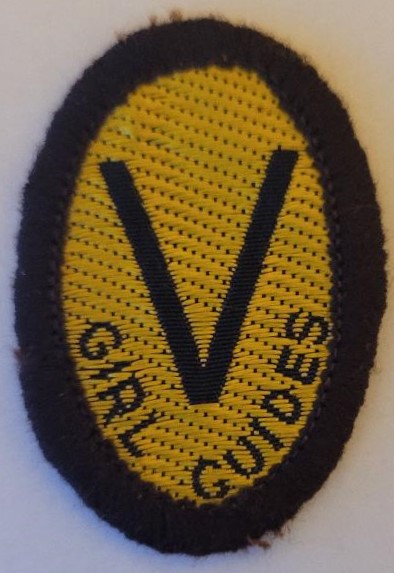
Brownie Venture Badge. 1968 – late 1980s. For participation in a pack project. Replaced by the triangular-shaped badge in brown. Initially there were stick-on numbers to designate how many ventures a Brownie had participated in, but these were dropped due to laundry issues.
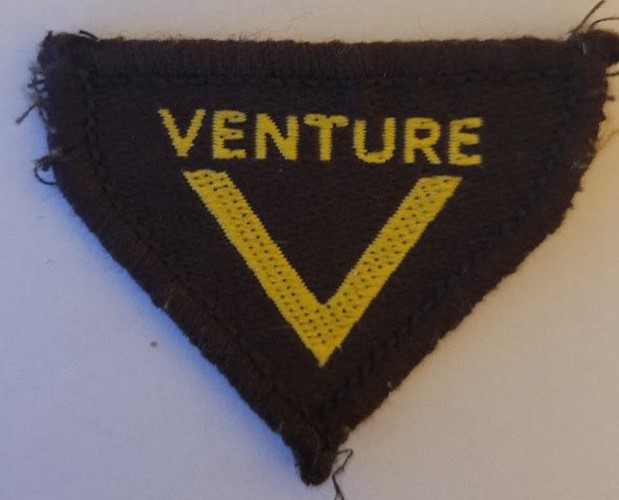
Brownie Venture Badge. late 1980s – early 1990s. For participation in a pack project. Succeeded the oval badge, was replaced by the triangular-shaped badge in yellow.
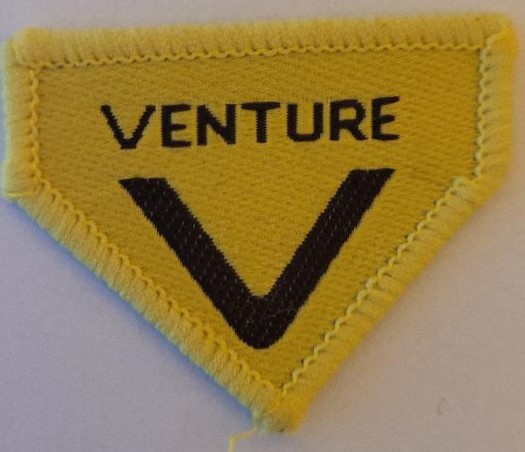
Brownie Venture Badge. Early 1990s. Yellow badge, for participation in a pack project.
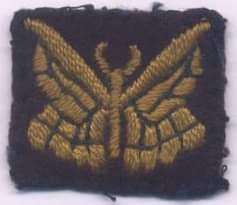
Brownie Wings. 1918-1920s. Awarded to any Brownie who completed Golden Hand Badge before leaving Brownies, to be worn on Guide uniform. Brownies who gained Brownie Wings ‘flew up’ to Guides, whereas those who did not ‘walked up’.
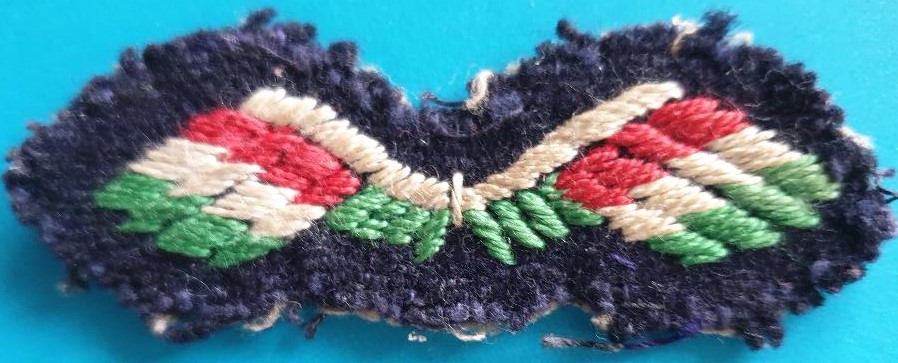
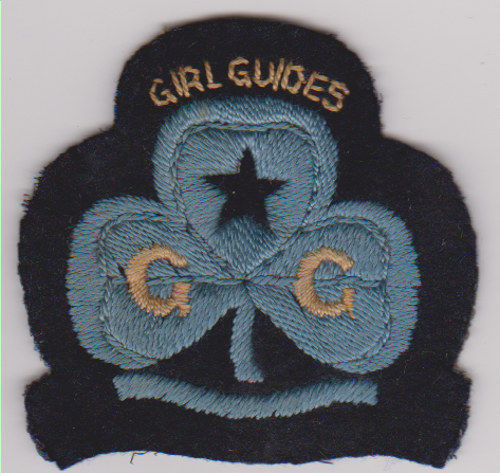
Brownie Wings. 1920s – 1940s. Felt badge awarded to any Brownie who completed Golden Hand Badge before leaving Brownies, the badge was worn on Guide uniform. Brownies who gained Brownie Wings ‘flew up’ to Guides, whereas those who did not ‘walked up’. Some versions had a “Girl Guides” wording at centre top.
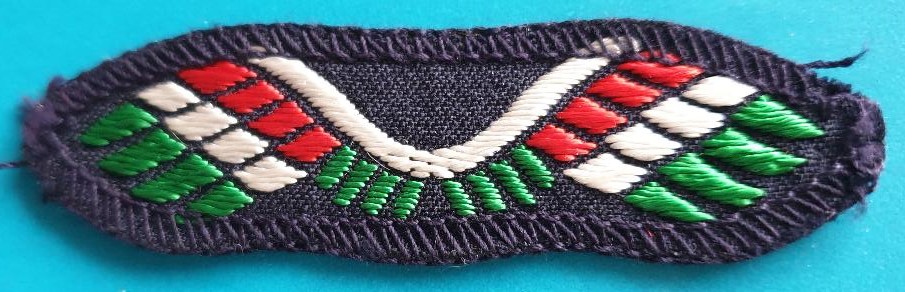
Brownie Wings. 1940s – 1968. Woven badge awarded to any Brownie who completed Golden Hand Badge before leaving Brownies, to be worn on Guide uniform. Brownies who gained Brownie Wings ‘flew up’ to Guides, whereas those who did not ‘walked up’.

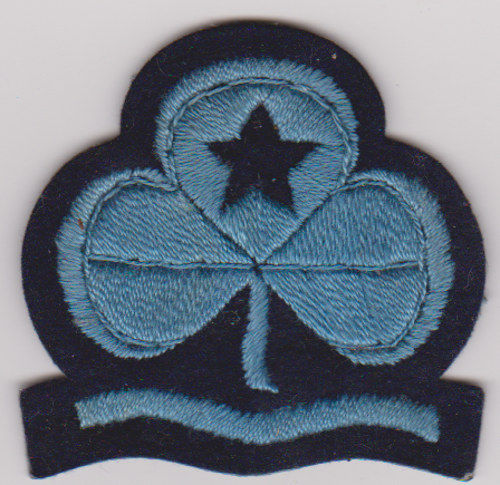
Brownie World Badge. Introduced in 1950s/1960s, withdrawn in 1978 in the UK, later in other countries. It featured a two-finger rather than a three-finger salute, because at that stage Brownies had a two-section Promise rather than the three-section Promise used by Guides.
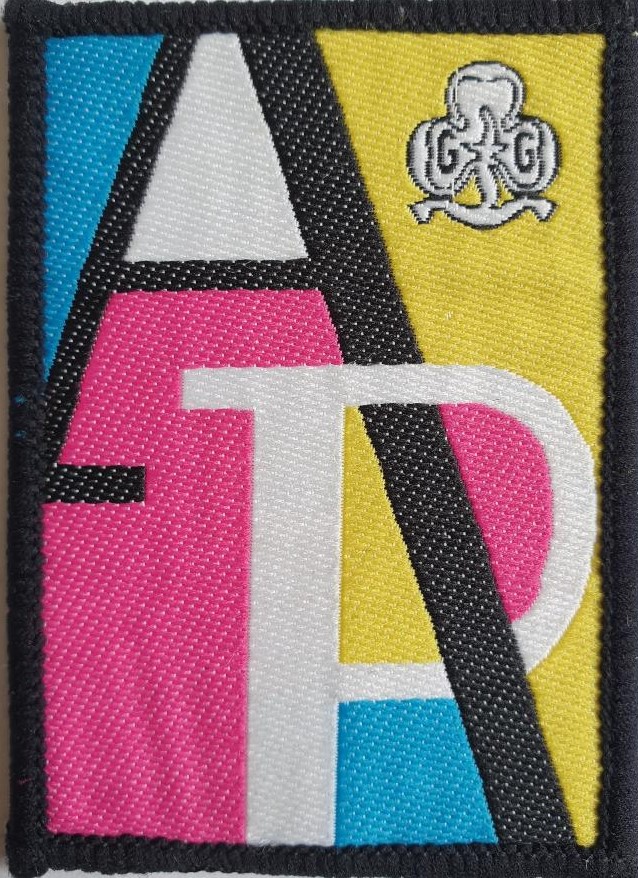
Guide Action Plus badge – 1980s. Activity extension programme for older Guides, with flexible programming to allow a wider range of activities to be undertaken.
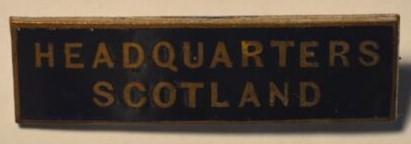
Scottish Headquarters Bar – badge worn by members of the Scottish Headquarters office staff, who like their UK Headquarters equivalents, wore uniform at work.

Pack Leader Badge. 1930s – c1990s. Replaced by metal pin badge. Worn on Guide uniform by Guides who, alongside being active members of a Guide unit, also helped regularly at a Brownie Unit.
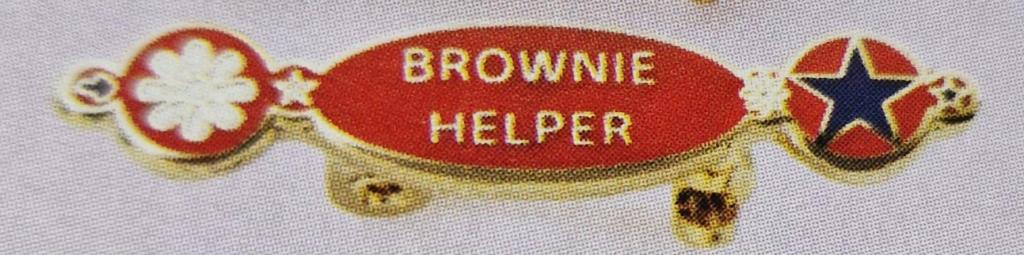
Metal Brownie Helper badge. Replaced the Pack Leader badge, it was awarded to active Guides who also helped regularly at a Brownie unit.
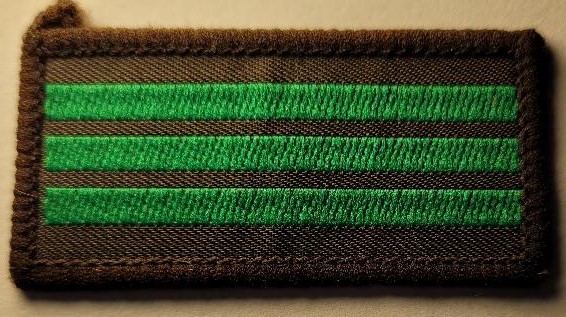
Rainbow Helper Badge. 1987 – c1990s. Replaced by metal pin badge. Worn by Guides who, alongside being active members of a Guide unit, also helped regularly at a Rainbow Unit.
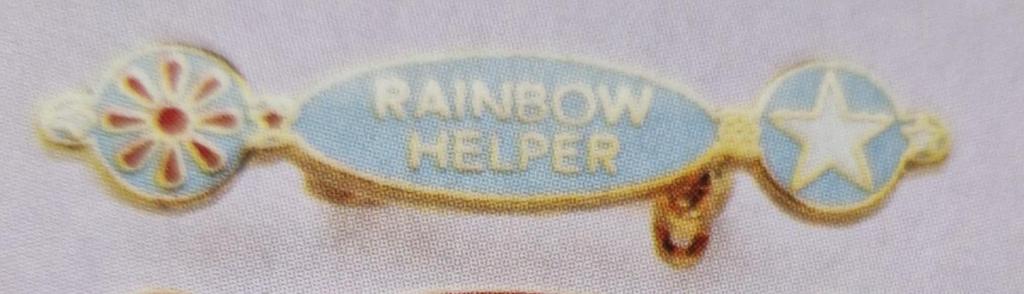
Metal Rainbow Helper badge. Worn by Guides who, as well as being regular members of a Guide unit, also helped regularly at a Rainbow unit.
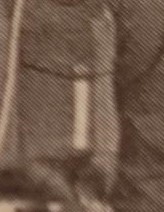
Guide Patrol Second Stripe – c1918-1968. White braid stripe worn vertically on the middle of the chest pocket. Preceded by a chevron worn on the sleeve 1910-c1918.
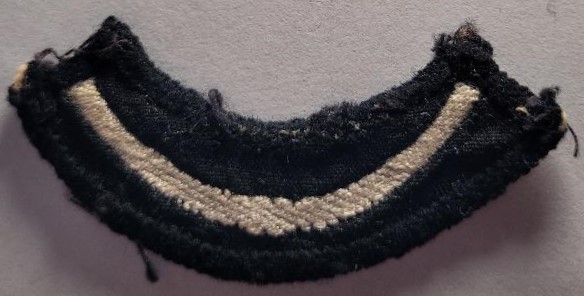
Guide Patrol Second Badge. 1968-c1990s. Single-stripe woven badge which was worn fitted underneath the Patrol Badge. Preceded by pocket stripe, replaced by pin badge.
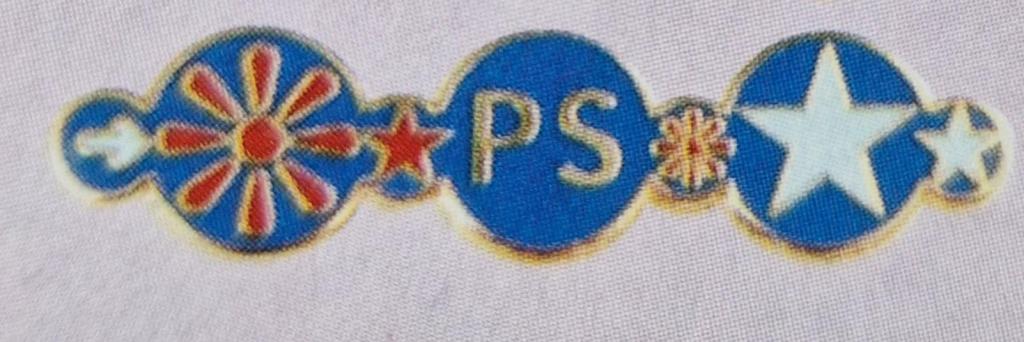
Guide Patrol Second Pin Badge. 1990s-present. Pin badge with safety clip, worn by Patrol Second.
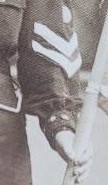
Guide Patrol Leader Chevrons c1910-1918. Originally Guide Patrol Leaders wore chevrons on the left sleeve, in the same style as used in the army. As part of a move to making Guide uniform less militaristic, the chevrons were dropped in favour of vertical stripes on the pocket.
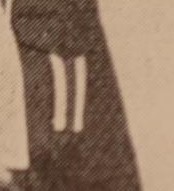
Guide Patrol Leader Stripes – c1918-1966. Two white braid stripes worn on the chest pocket, equally spaced.
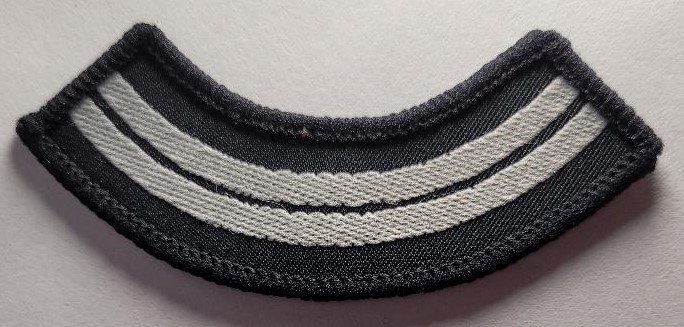
Guide Patrol Leader Badge. 1966-c1994s. Double-stripe woven badge which was worn fitted under the Patrol Badge. Preceded by pocket stripes, replaced by pin badge.
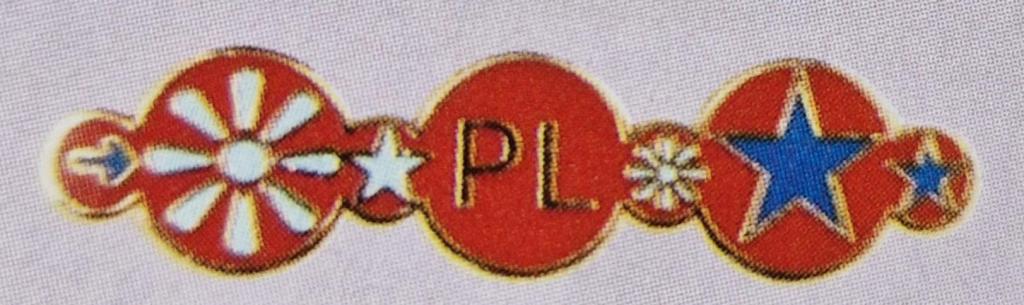
Guide Patrol Leader Pin Badge. c1994 – present. Pin badge with safety clip, worn by Patrol Leader.
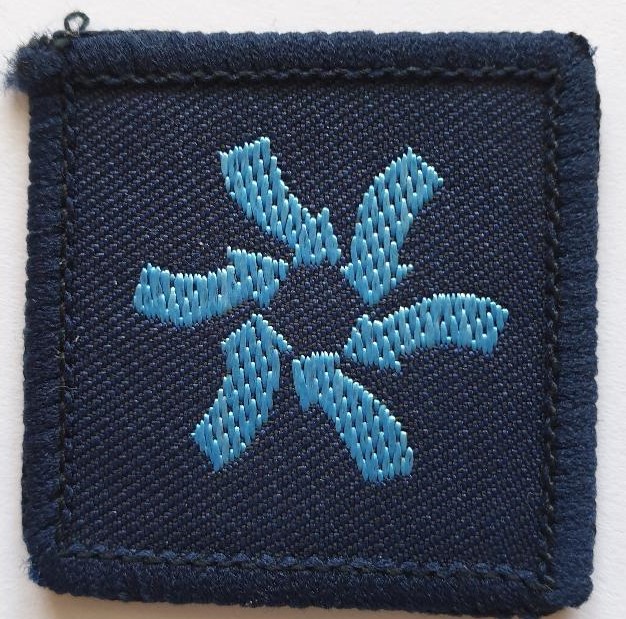
Guide Patrol Purpose Patch. 1668-1990s. Awarded for participation in a Patrol good turn.
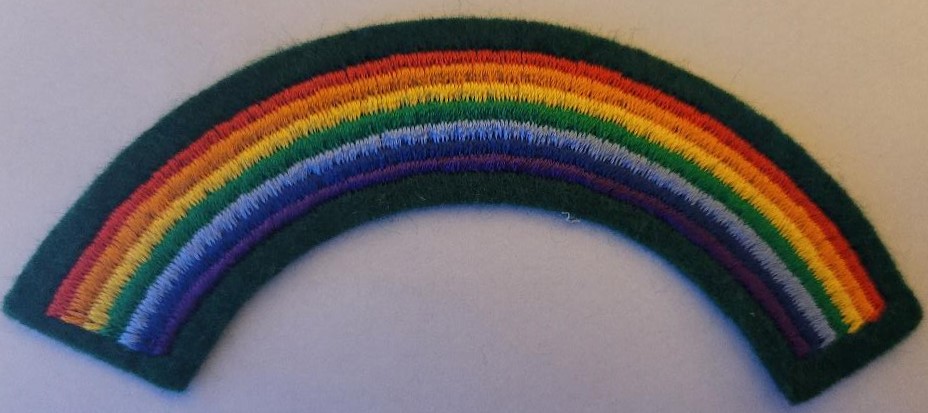
Rainbow arc badge. 1990s. Worn above the round fabric Rainbow Promise Badge following it’s introduction, following a campaign by Rainbow Guiders who were upset that the new-style Rainbow Promise Badge didn’t feature a Rainbow as the previous one had.

Badge worn on the uniform jacket lapel by an adult who worked as Secretary to a District Commissioner, or to a Division Commissioner.

Badge worn by an adult who worked as a Secretary to a County Commissioner, pre-1968.
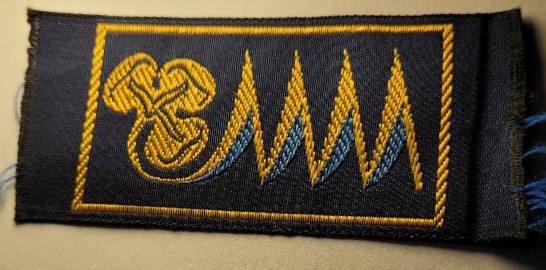
Guide Service Flash Badge. 1968-1991. Worn by a Guide who did a set number of hours of volunteering at a suitable setting.
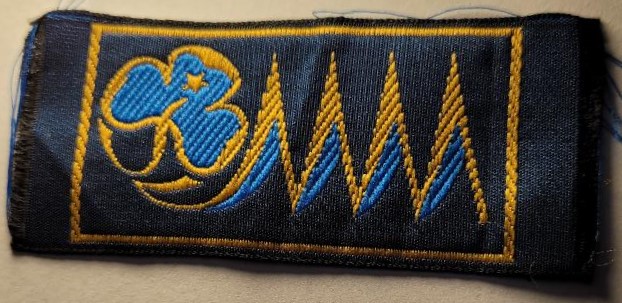
Guide Service Flash Badge. 1991-2000s. Worn by a Guide who did a set number of hours of volunteering at a suitable setting.

Girl Guide Trainer Badge. Early style which was awarded to adults in Guiding who qualified to train adults in general subjects. I would love to know more about it.
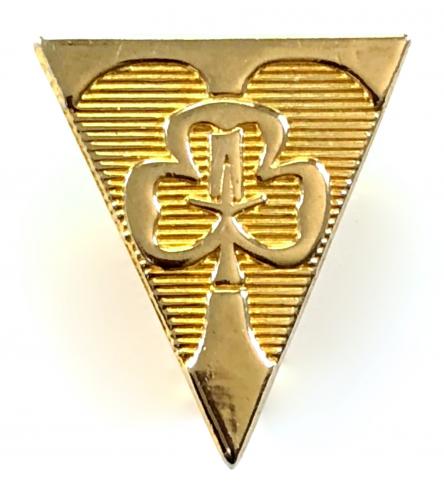
Girl Guide Trainer Badge. 1968-1990s. Awarded to adults in Guiding who qualified to train adults in general subjects. Differing colours of metal in bronze, silver and brass colours indicated different grades of Trainer.
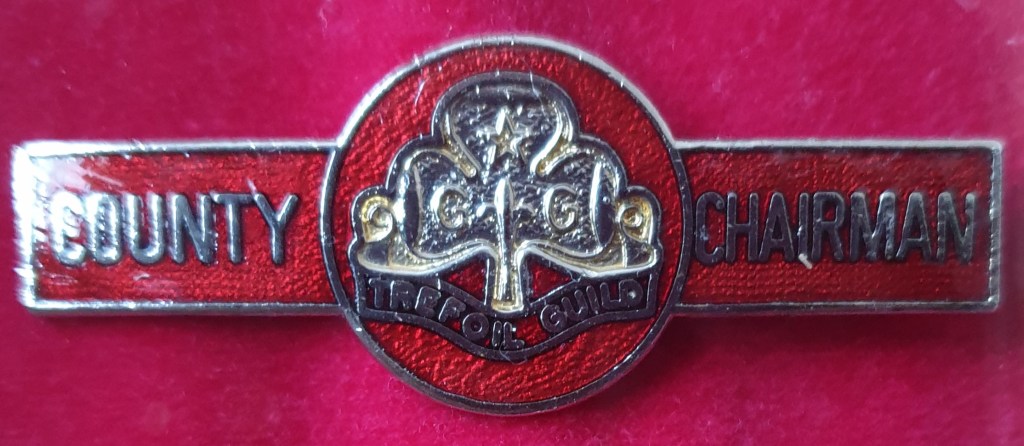
Trefoil Guild County Chairman Badge. Work by a Trefoil Guild member who acted as liaison between local Guilds within a Guiding County, and the Trefoil Guild HQ.

Trefoil Guild Diamond Jubilee Badge, commemorating 60 years of Trefoil Guild’s official existence, counting from the official starting year of 1943.
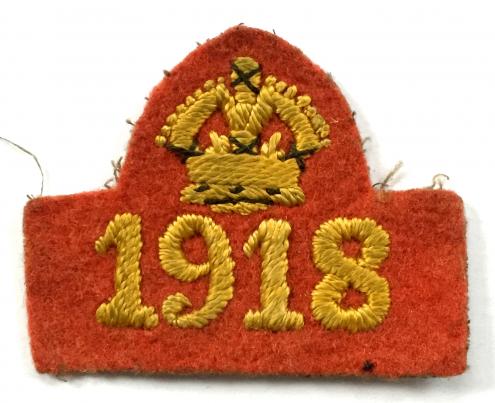
Guiding War Service Badge from WW1, given for a set number of hours of war work, or a set list of garments knitted. Separate badges were produced for each year, and examples of multiple year strips being worn below an upper badge exist. It was decided in 1921 that War Service badges from WW1would be removed from uniforms.
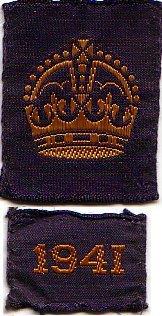
Guiding War Service Badge from WW2, given for a set number of hours of war work. Separate year strips were produced for each year, and examples of multiple year strips being worn below an upper badge exist. (War Service Badges were also issued in WW1, of a different design).
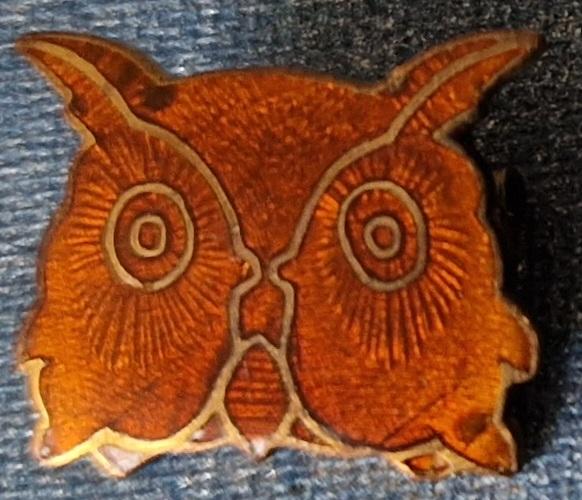
Brown Owl Warrant Badge. Issued c1920s – 1968. Indicated that a Guider had completed the training and qualification to run a Brownie Pack. The shades of brown enamel on the owl’s face can vary from light tan to dark brown.
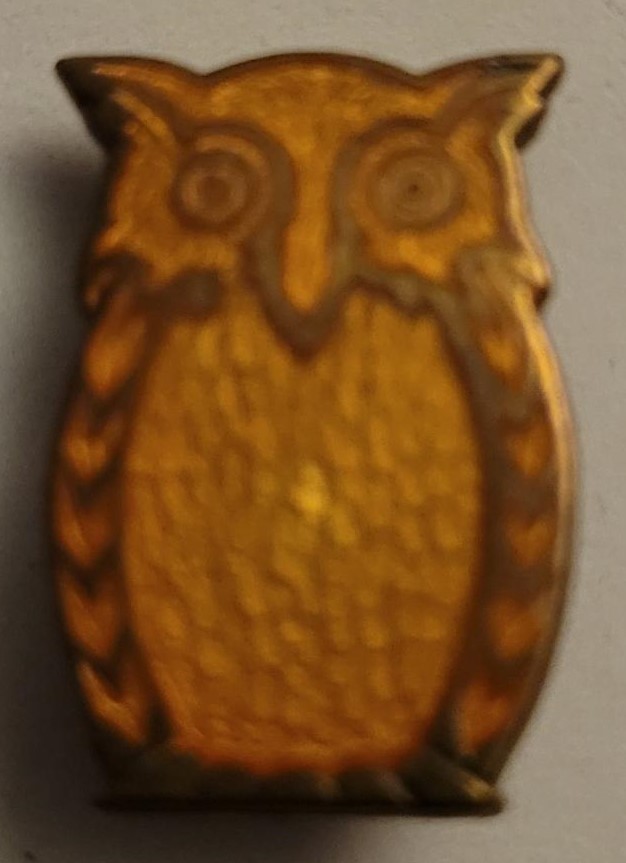
Tawny Owl Warrant Badge. Issued c1920s – 1968. Indicated that a Guider had completed the training and qualification to assist with the running of a Brownie Pack. The shades of brown enamel on the owl can vary from light tan to dark brown.
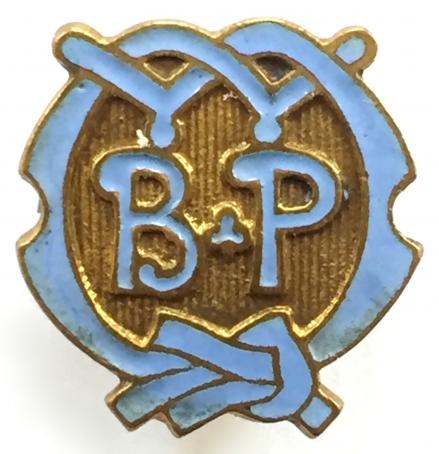
Air Ranger Leader Warrant Badge. 1943-1968. Worn by a qualified Air Ranger Leader. Although withdrawn in the UK in 1968, this style of badge is still used in other Countries.
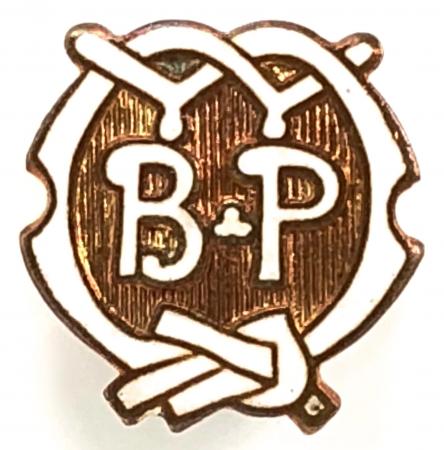
Cadet Leader Warrant Badge. 1943-1968. Worn by a qualified Cadet Leader. Although withdrawn in the UK in 1968, this style of badge is still used in other Countries.
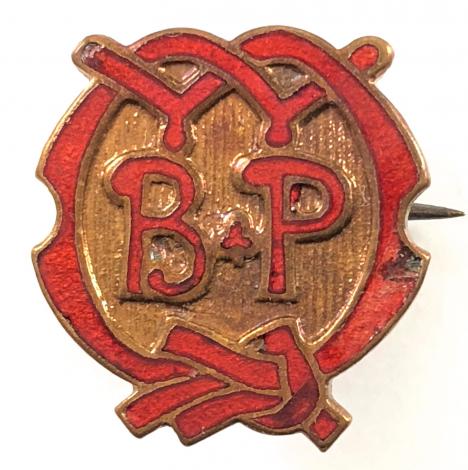
Land Ranger Leader Warrant Badge. c1920-1968. Worn by a qualified Land Ranger Leader. Although withdrawn in the UK in 1968, this style of badge is still used in other Countries.
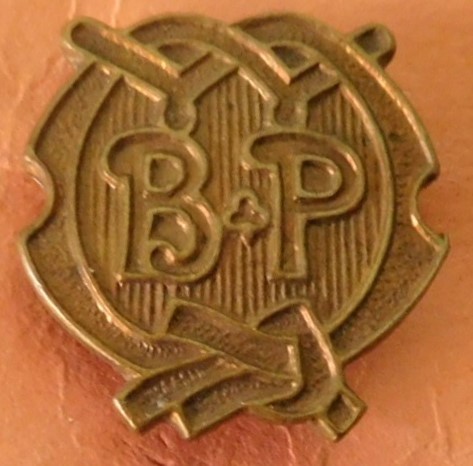
Assistant Guider Warrant Badge. c1920-1968. Worn by a qualified Assistant Guide, Ranger or Cadet Guider. Although withdrawn in the UK in 1968, this style of badge is still used in other Countries.
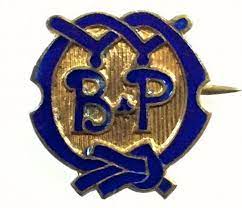
Sea Ranger Leader Warrant Badge. c1920-1968. Worn by a qualified Sea Ranger Leader. Although withdrawn in the UK in 1968, this style of badge is still used in other Countries.
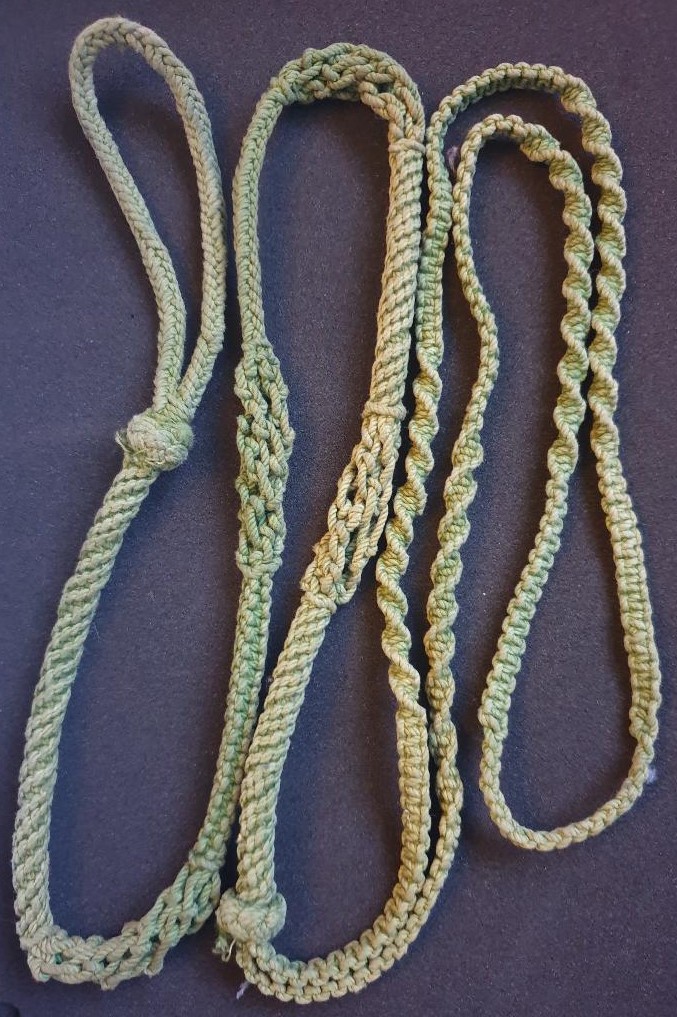
Lanyards were worn as indicators of rank by many levels in Guiding. All Sea Rangers wore white lanyards which they made by knotting Platers Line. Patrol Leaders wore plain white lanyards until around 1963. Green Lanyards indicated holders of Camp Licence, they were worn at camps into the 1980s. Buff Lanyards indicated holders of Pack Holiday Licence, they too could be worn at Brownie Holidays into the 1980s.
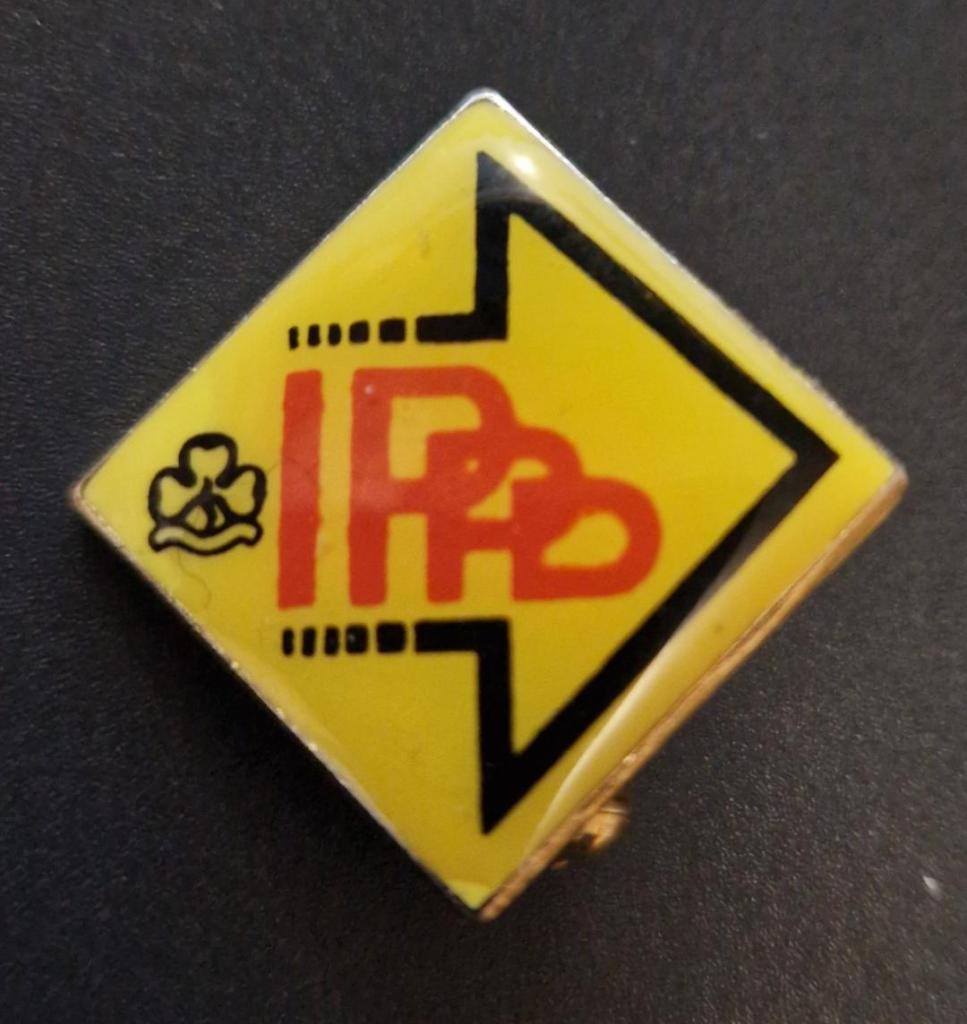
IPPD badges (I Participated in Programme Development), in cloth or metal, were awarded to units who took part in programme development prior to the introduction of new programmes for the sections in the 1990s. The cloth badges were produced with different coloured bindings, the metal ones were in a plain yellow.
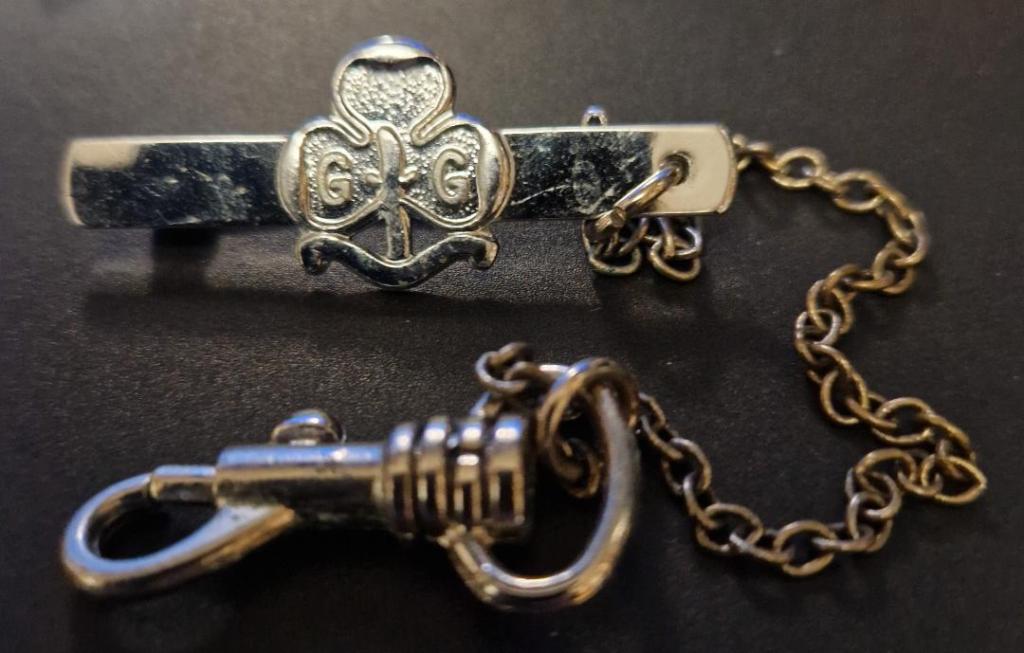
Sash Pin – 1990 – 2000s. Introduced in 1990 with the new uniform, for Brownies and Guides. Versions were produced with and later without the chain. The chain was used to attach the sash to a D-ring on the culottes, or Guide trousers – not for whistles/penknives as has been suggested. This style was withdrawn when the organisation’s logo changed.
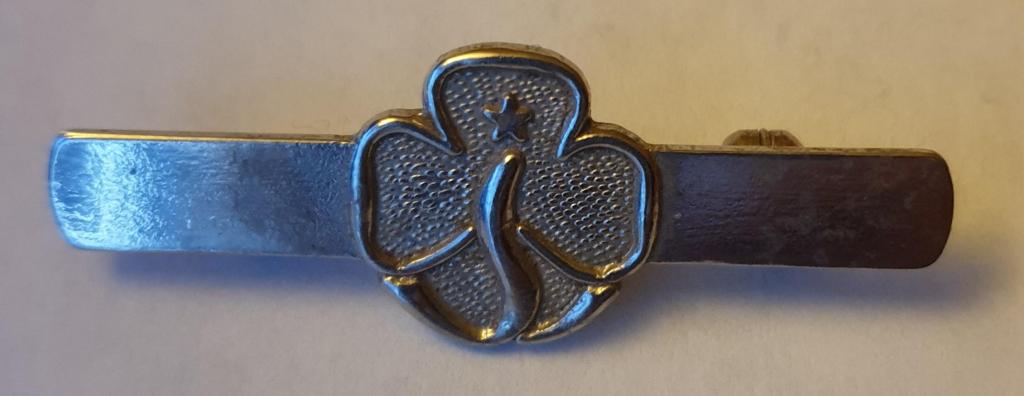
Sash Pin – 2000s – 2010s. Introduced with the change of Promise badge, it was used by Guides until uniform changes meant they no longer had a sash as part of their uniform. Thereafter it was used solely by Brownies.
Brownie Sash Pin 2020s. Introduced with a new logo, with a rubber front rather than metal. Sash pins were later replaced entirely by a different fastening system where the ends of the sash were interwoven.

From the 1930s to the 1990s, this was the World Badge which could be worn by any member, and was then replaced by the current style. These badges were made in brass with enamel.
From the 1990s until the present day, the World Badge, which can be worn by any member of Guiding, in any country.
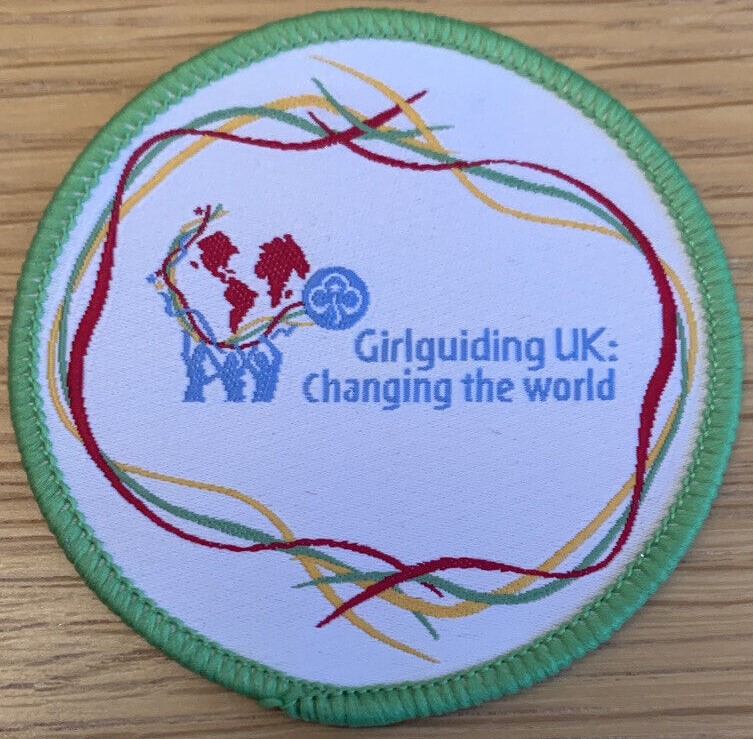
Changing the World was a year-long campaign to raise money for charity in 2009, the year prior to Girlguiding UK celebrating it’s centenary year. Units were asked to choose one of 12 charity projects and fundraise for it, and the badges were produced in metal or cloth, for individuals who successfully completed the fundraising challenge.
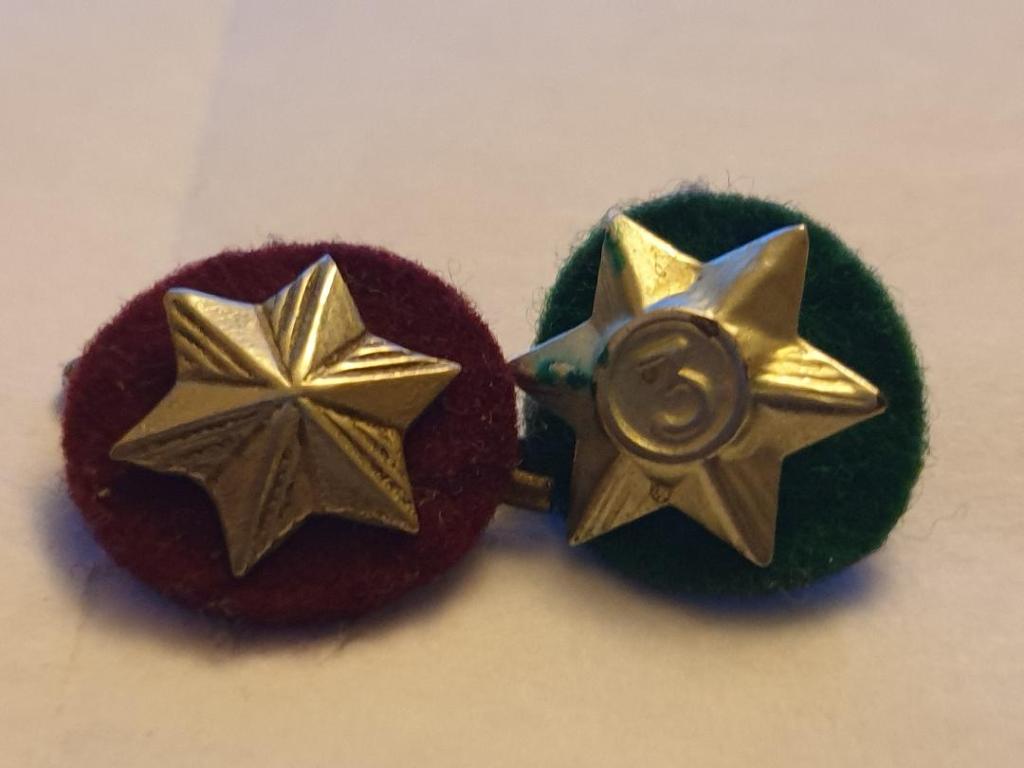
Service Star – in use c1910-1968. They were worn on felt disks – brown for Brownies, green for Guides, dark red for Rangers, Navy for Guiders. Initially they were all numbered, later a larger star was introduced to indicate 5 years, with smaller stars for single years, to reduce the number of stars worn. They were worn above the shirt pocket, the fastenings being originally a ring which was pushed through the shirt fabric and secured by a mini kirby-grip type clip, later replaced by a split-pin type fastening.

WAGGGS World Thinking Day Badge. Featuring a design introduced in the 1970s as the Thinking Day Fund logo, of arrows pointing towards a World Badge.
1950s UK Friendship Badge, not worn in uniform but could be used for swapping or sharing internationally, available in in metal or cloth.
1980s UK Friendship Badge, not worn in uniform, but could be used for swapping or sharing internationally. Available in metal only.
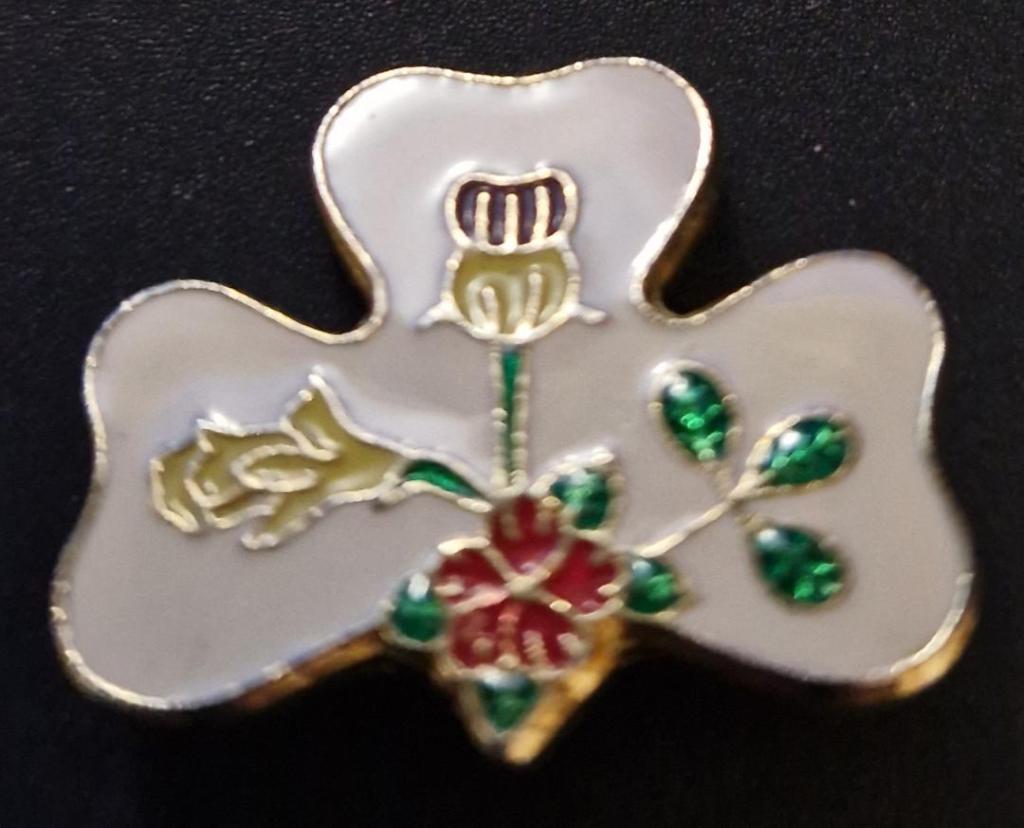
UK Friendship Badge, not worn in uniform but could be used for swapping or sharing internationally, available in metal or cloth. Featured symbols for each of the four UK countries – the red rose for England, the daffodil for Wales, the thistle for Scotland and the Shamrock for Ulster.
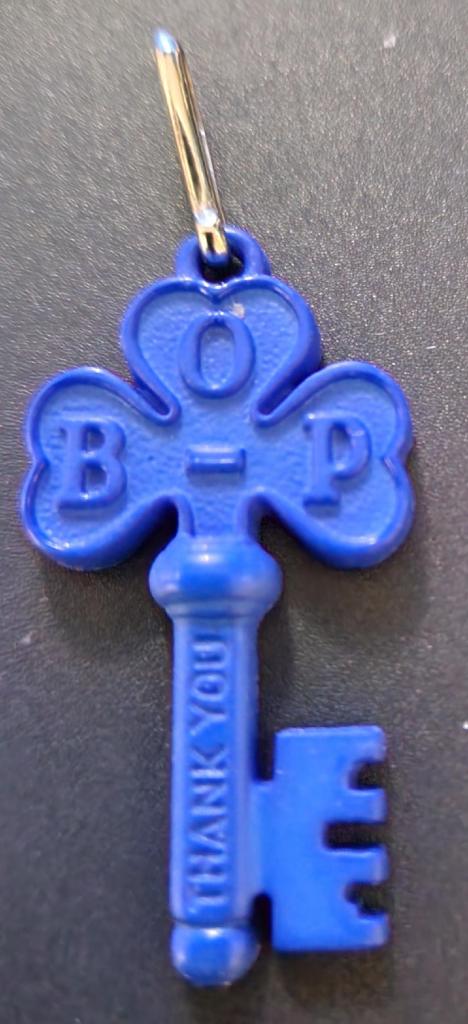
Produced in the early 1980s, the keyring charm was made in blue plastic and sold as an early fundraiser towards the building of a new World Centre and World Bureau in London. It finally led to the building of the World Bureau and Pax Lodge in Hampstead, London, following the closure of Our Ark/Olave House.
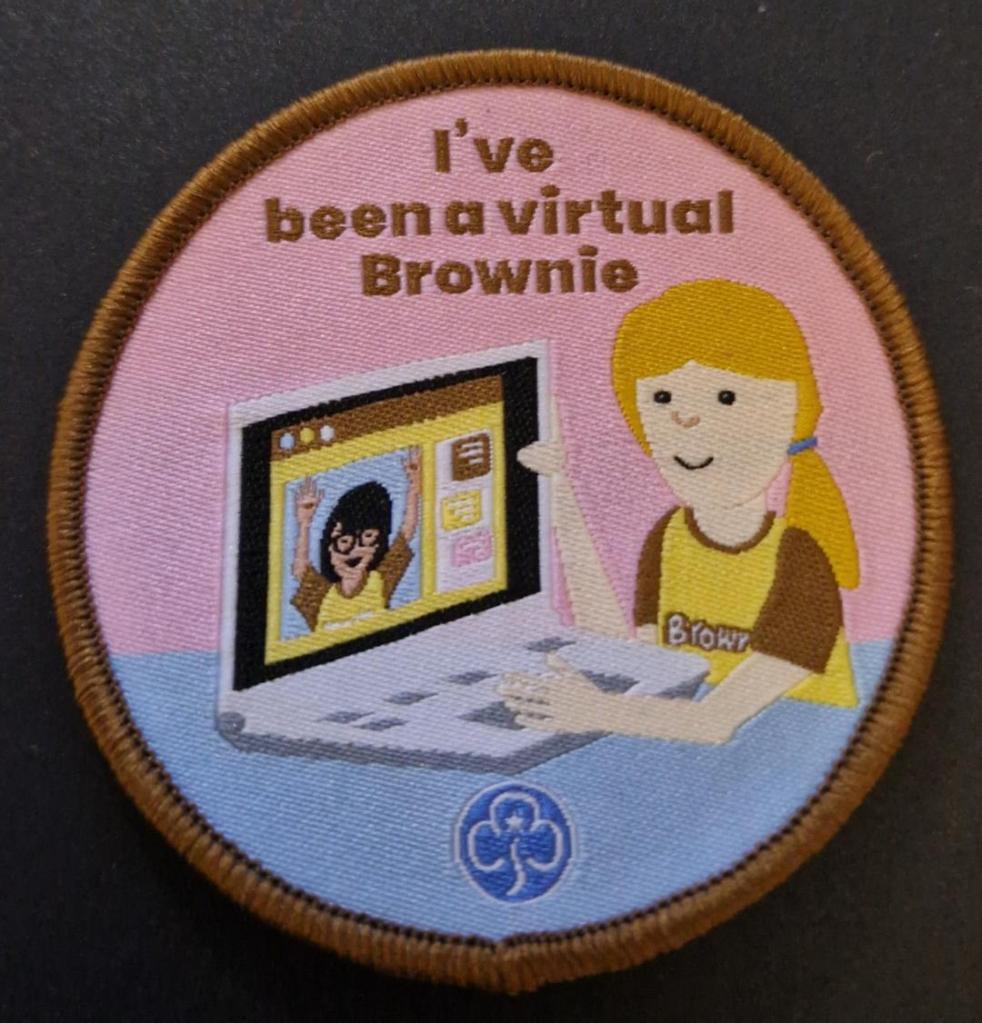
From March 2020 through to Autumn 2021, Britain was affected by the Covid virus, and as a result, units were forbidden from meeting in person throughout most of the time. Some Brownie units were able to meet via videoconference, and these fun badges were produced to commemorate this.
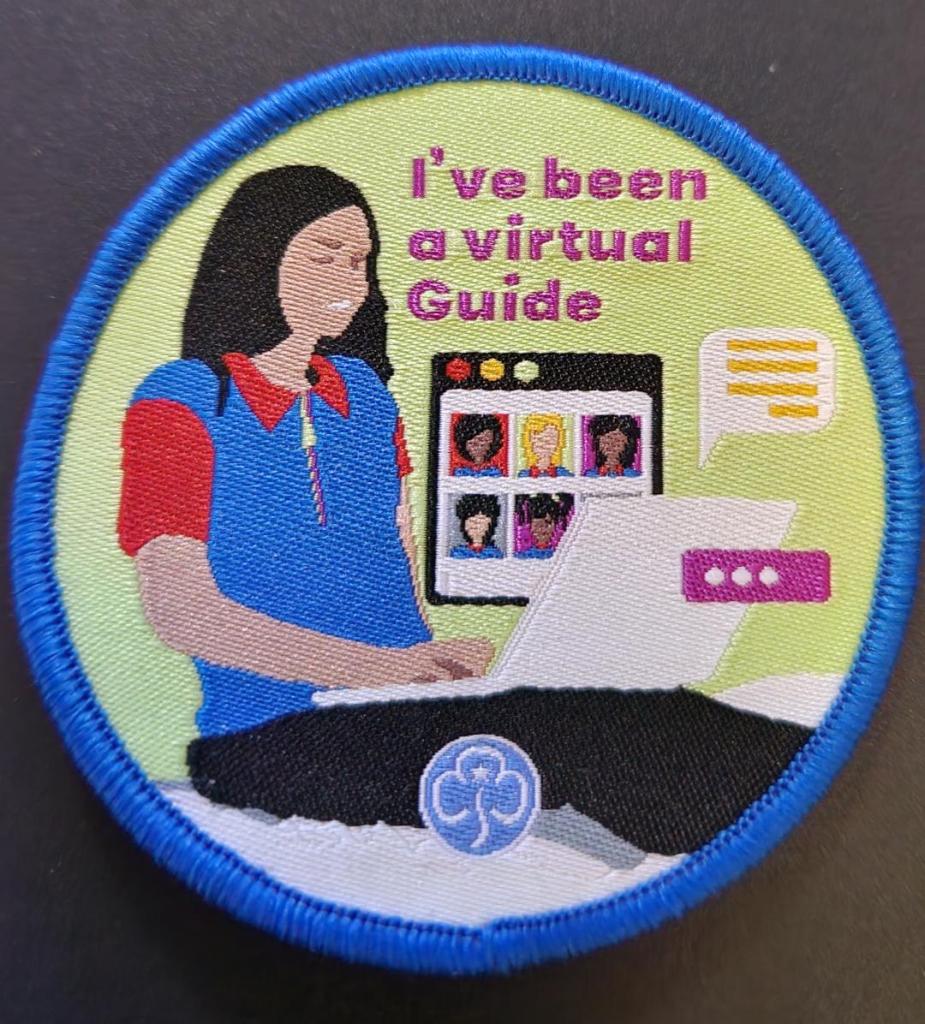
From March 2020 through to Autumn 2021, Britain was affected by the Covid virus, and as a result, units were forbidden from meeting in person throughout most of the time. Some Guide units were able to meet via videoconference, and these fun badges were produced to commemorate this.
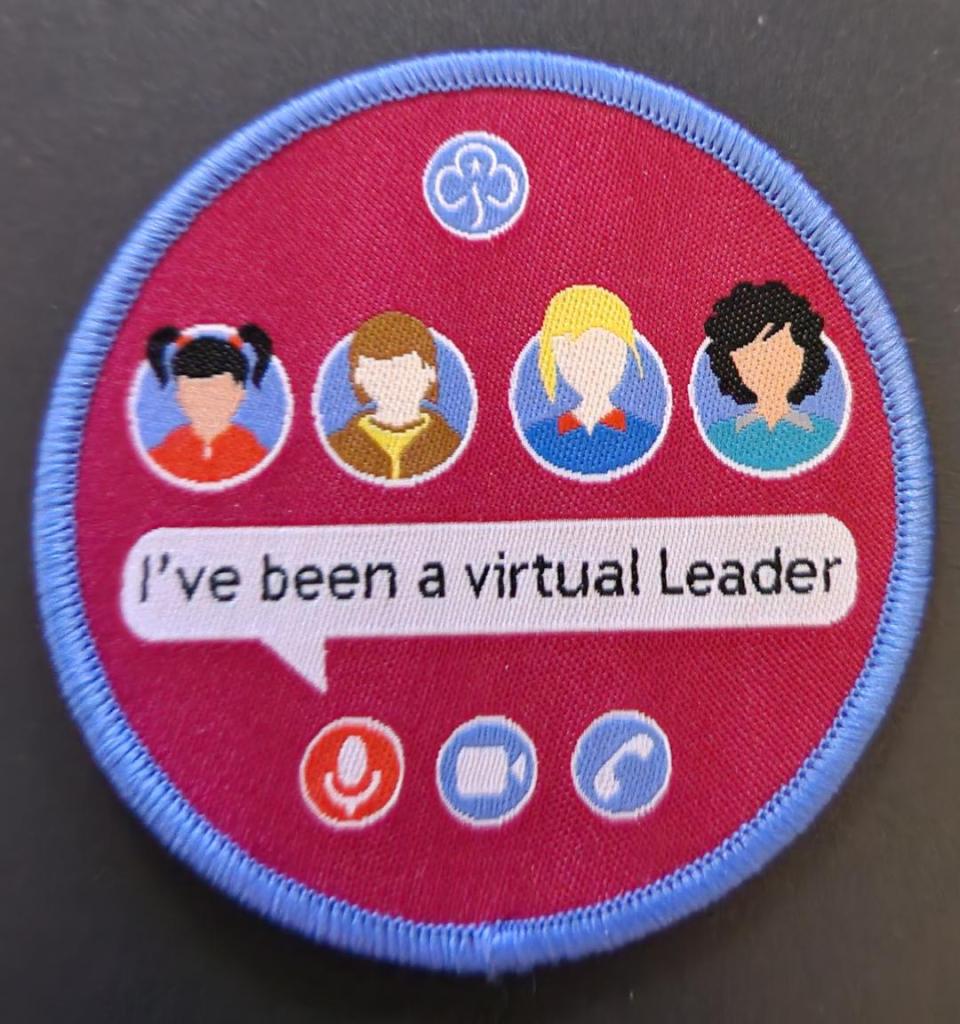
From March 2020 through to Autumn 2021, Britain was affected by the Covid virus, and as a result, units were forbidden from meeting in person throughout most of the time. Some units were able to meet via videoconference, though it required a lot of ingenuity from Leaders to devise fun activities which girls could do at home with the resources to hand, or using packages of equipment delivered house-to-house by Leaders. These fun badges were produced to commemorate this.
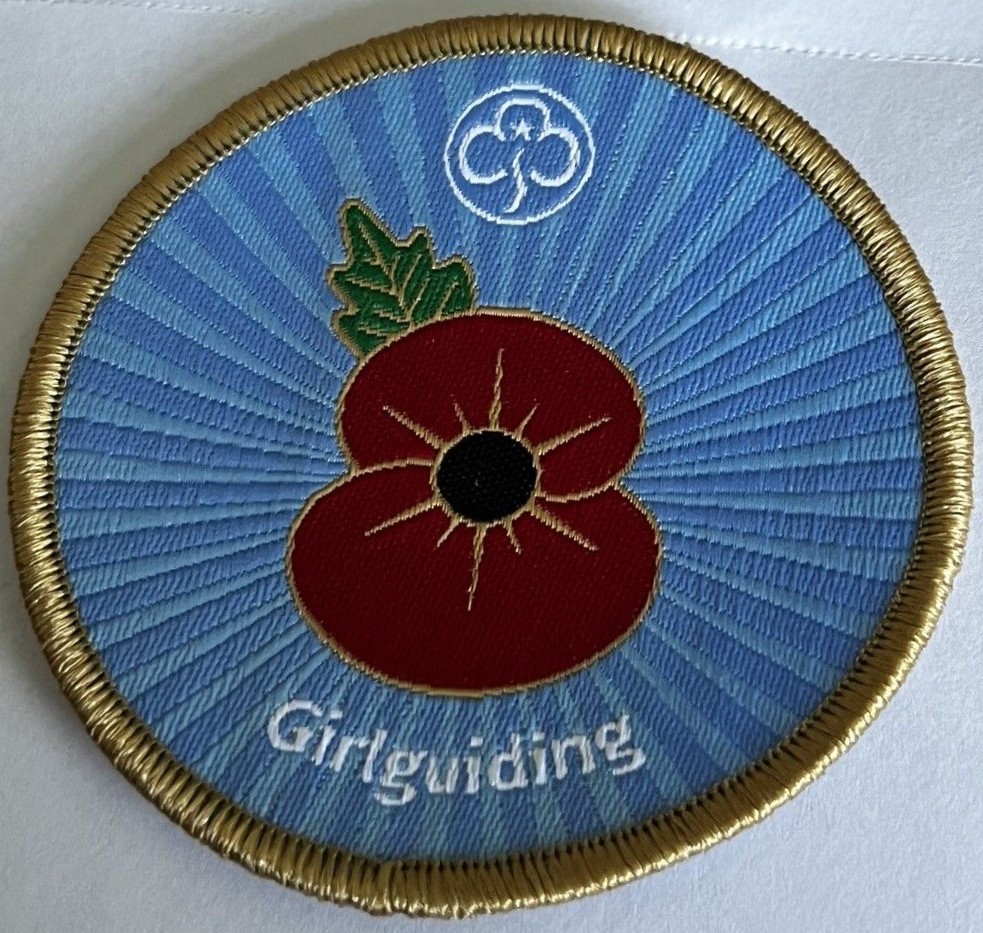
From the late 2010s, many badge manufacturers started to produce ‘poppy badges’ in November, some of which involved donations to the official Remembrance charities, Royal British Legion and PoppyScotland, some of which didn’t. In reaction to this, Guiding started to produce official badges each year, with proceeds going to the official charities.
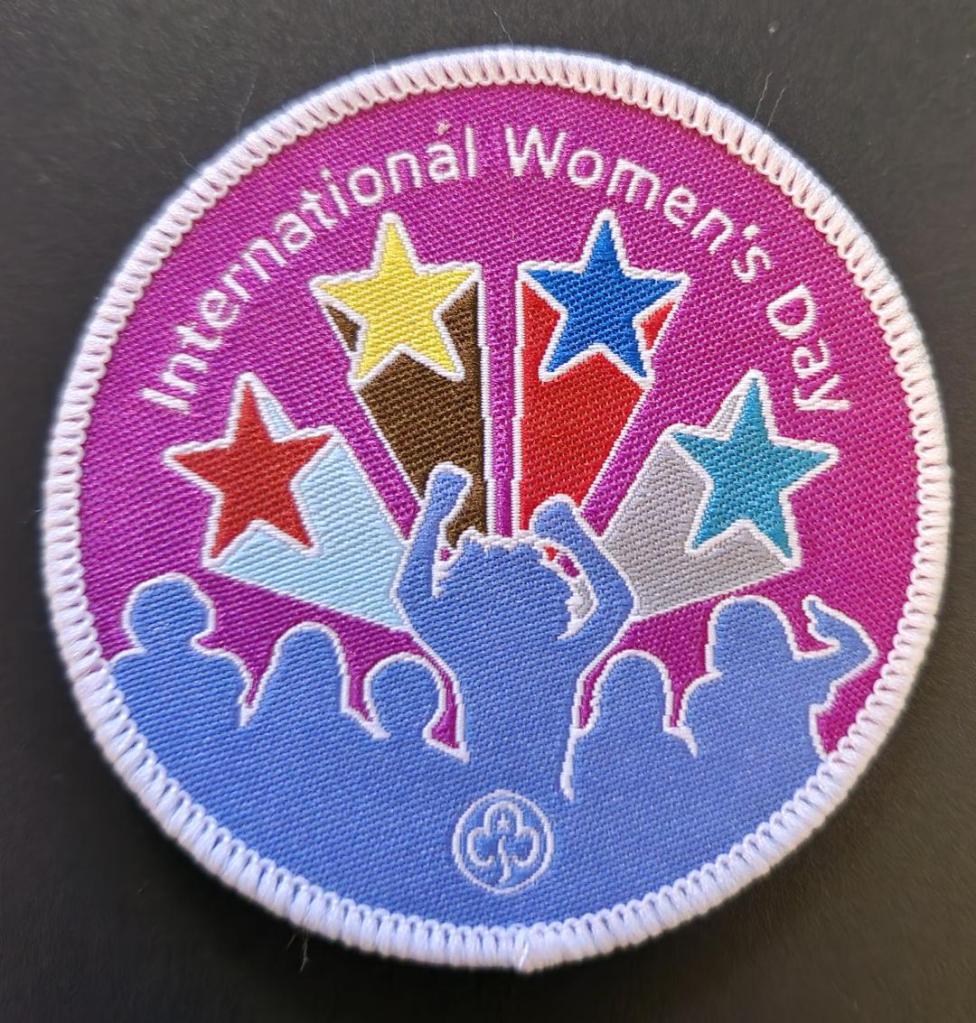
The first idea of a ‘Women’s Day dates back to the early 20th century, but only became a mainstream global holiday following it’s adoption by the United Nations in 1977. It is marked on March 8th, and in the 2020s Girlguiding UK produced this badge to mark it.
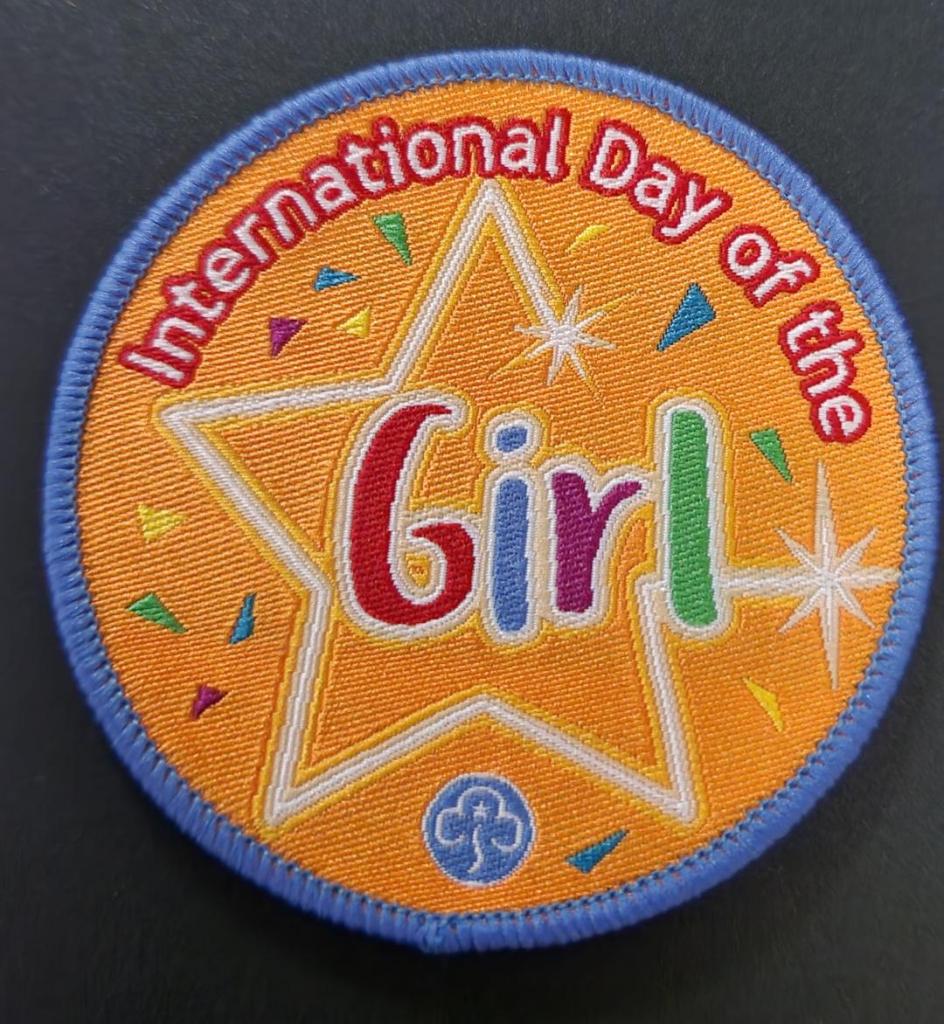
International Day of the Girl Child was introduced in 2011 following a UN General Assembly resolution, and first marked on October 11th, 2012. In the 2020s Guiding introduced a fun patch to mark the day.
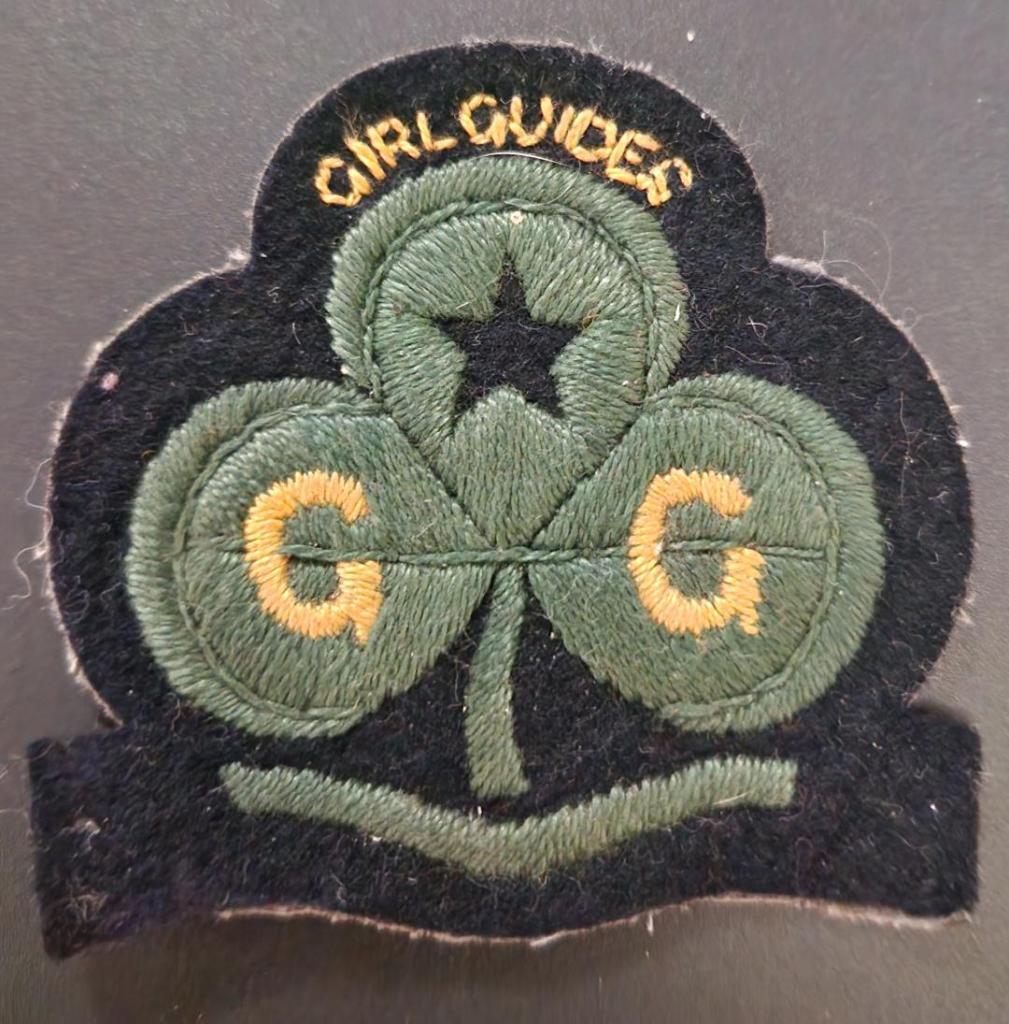
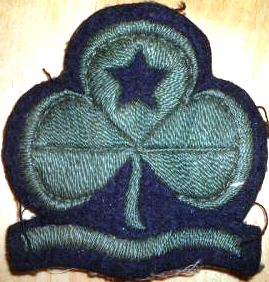
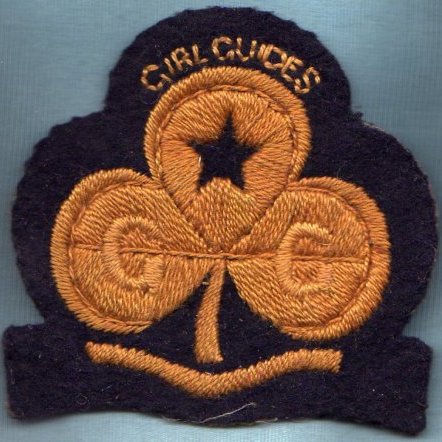
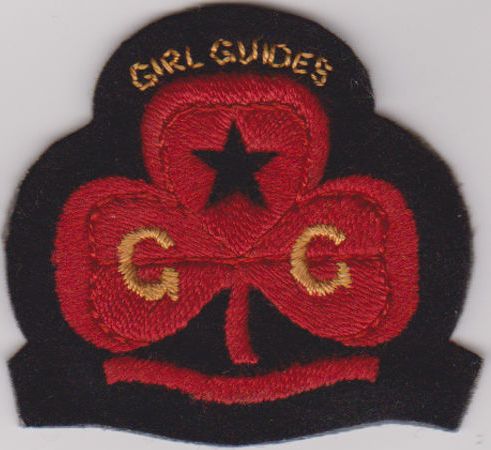
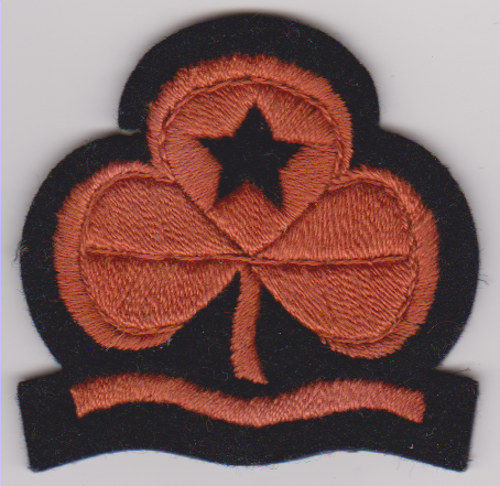
Dating to pre-WW2, a range of large blazer badges were produced, in an era where it was common to wear blazers at camp. There were badges in different coloured thread for Guides, Rangers and Guiders, on a felted fabric background.
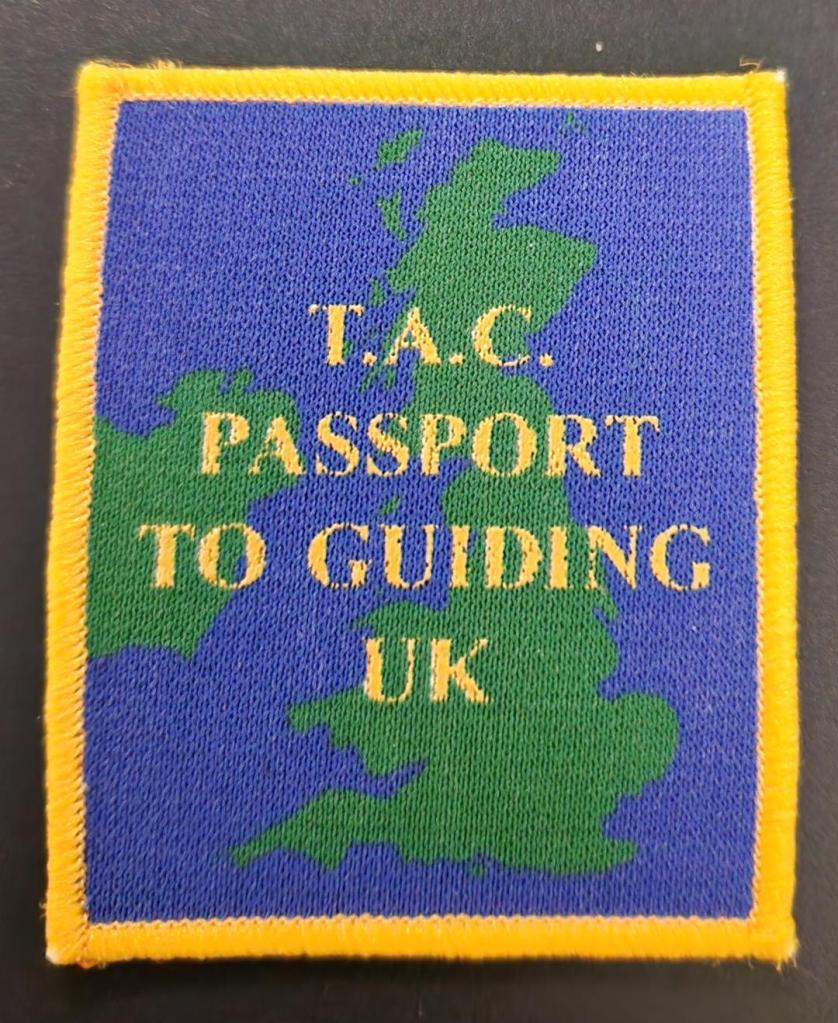
In order to promote UK Guiding’s Training and Activity Centres, in the late 1990s a badge challenge was produced, with members encouraged to collect a stamp at each Training Centre they spent a night at. Those who managed to collect stamps from all of them – Netherurd, Waddow, Hautbois, Blackland Farm, Foxlease, Broneirion and Lorne – could earn this badge.
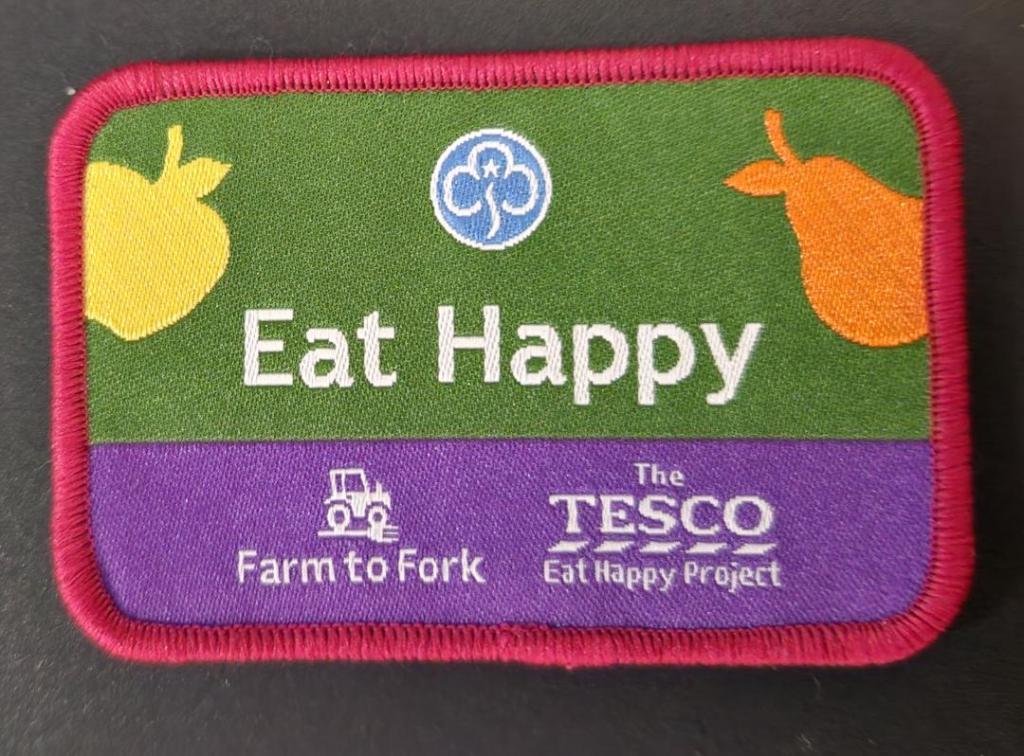
In the 2010s, the supermarket, Tesco, organised special activity sessions at their units, to encourage the girls to learn more about where their food came from, called “Farm to Fork”. These badges were produced for units who took part in the sessions.
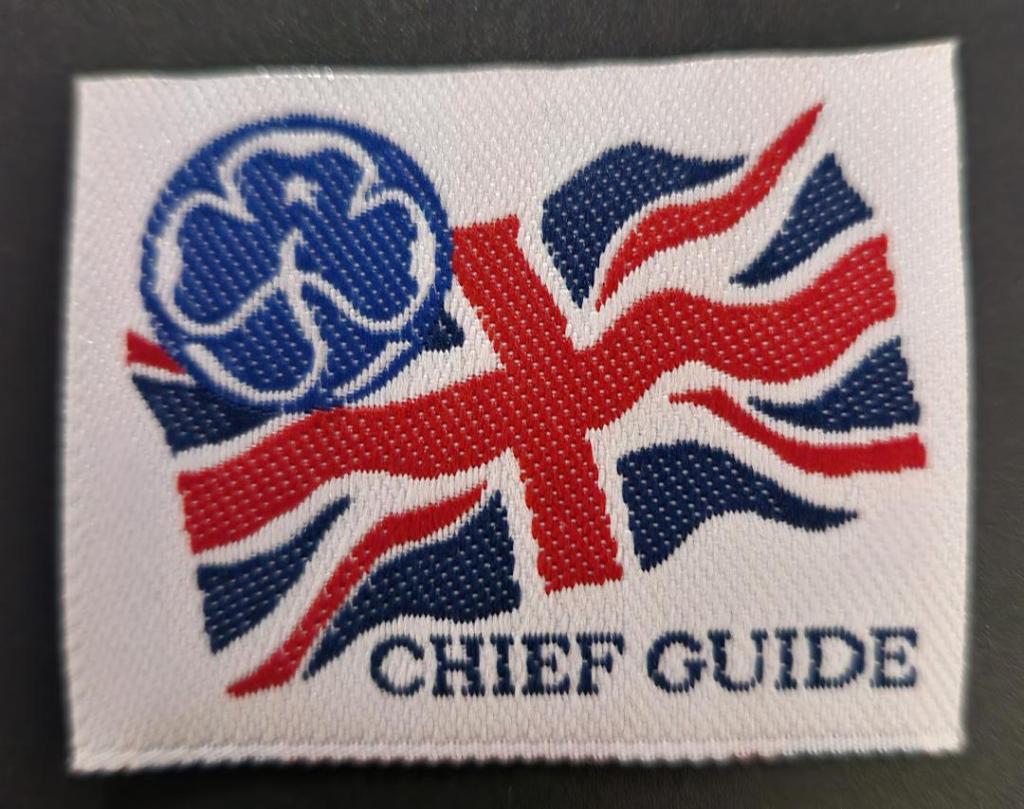
From the 2000s, each of the Chief Guides commissioned badges which could be handed out to people who met them. This early example was in ribbon, later ones were produced in woven form.
 Leslie's Guiding History